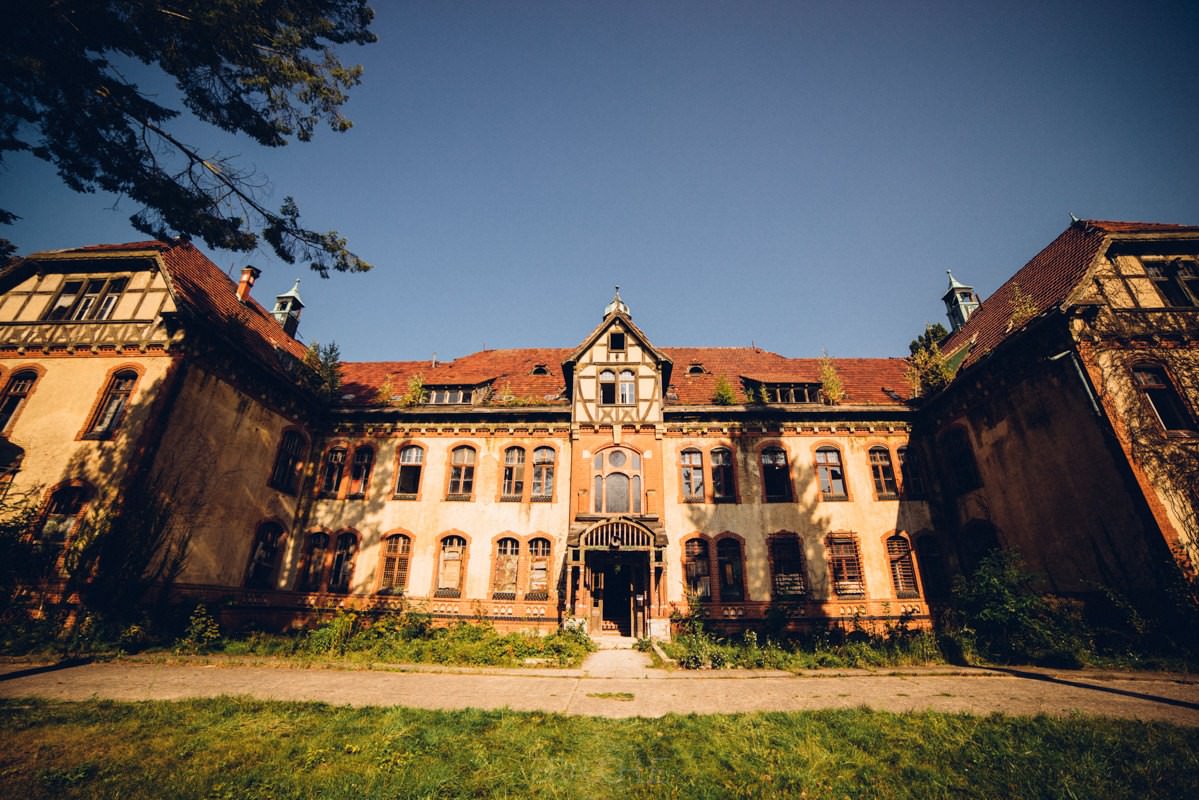
The real reason for our trip to Berlin was the abandoned buildings of Beelitz-Heilstätten. Most of them are more than 100 years old and have stood empty for over 50 years. What is left of them blew me away: colours, plays of light, beautiful stairwells and details you could linger over for hours. In the end there were so many pictures that I’m spreading them over three posts. It may look harsh, but roaming through these old buildings and photographing them was simply wonderful. Until now the site was open to photographers a few times a year; it has apparently been sold since – we were probably one of the last groups allowed to see it in this state. The lung sanatoriums were built between 1898 and 1930 for Berlin’s workers and are among the largest hospital complexes around Berlin – a listed ensemble of 60 buildings on around 200 hectares. Here are the first pictures; the rest will follow.
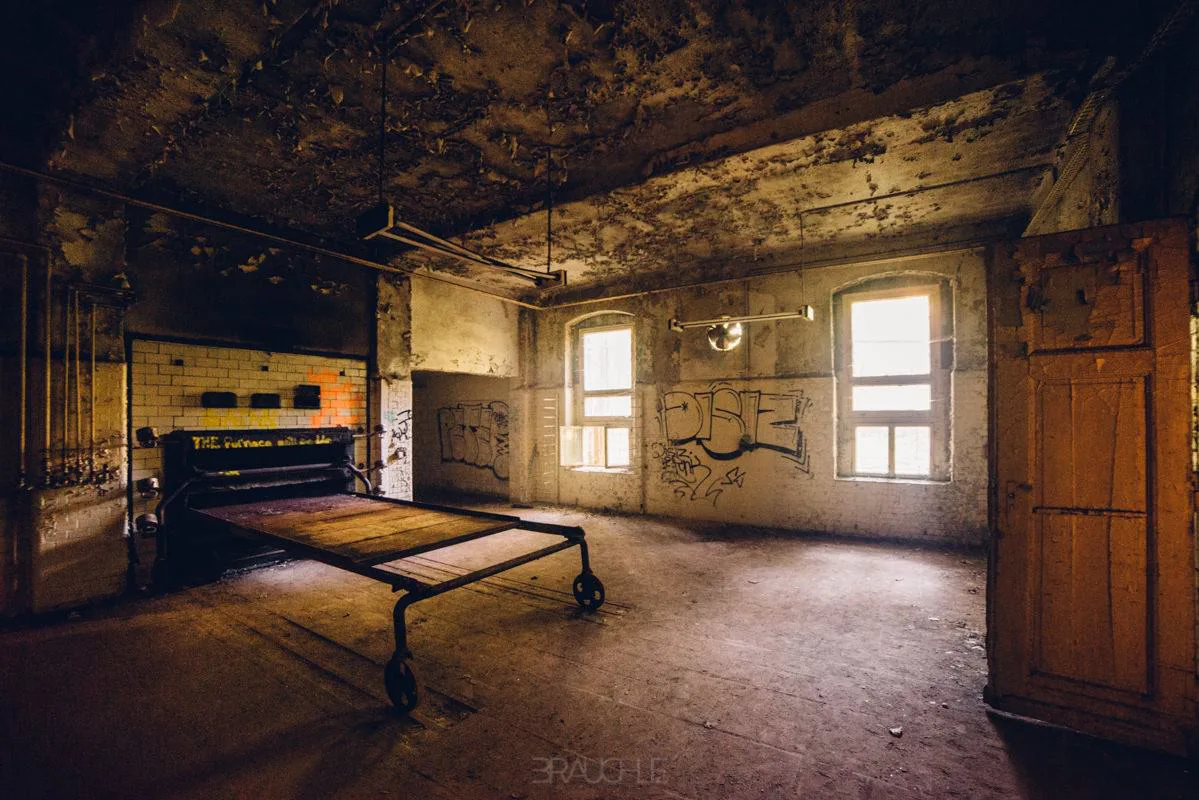
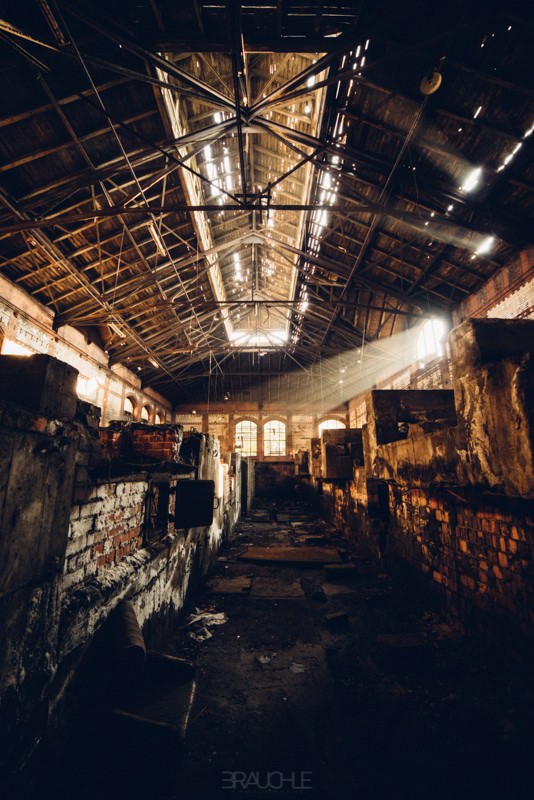
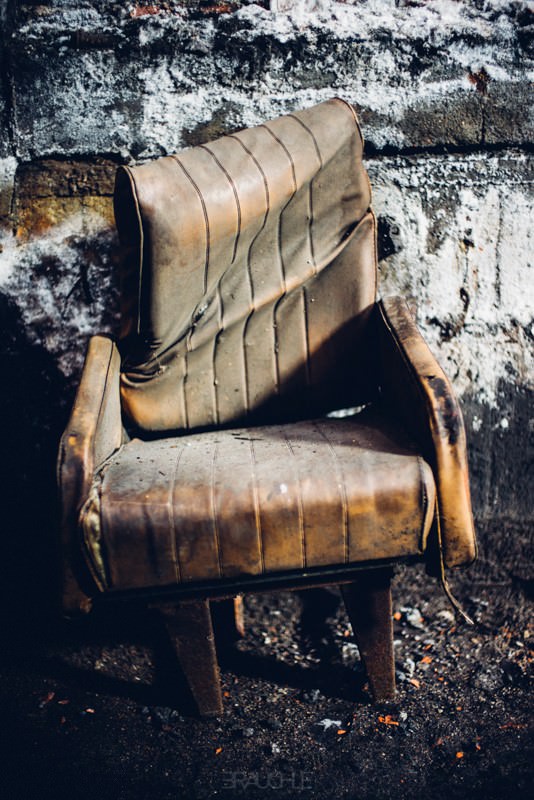
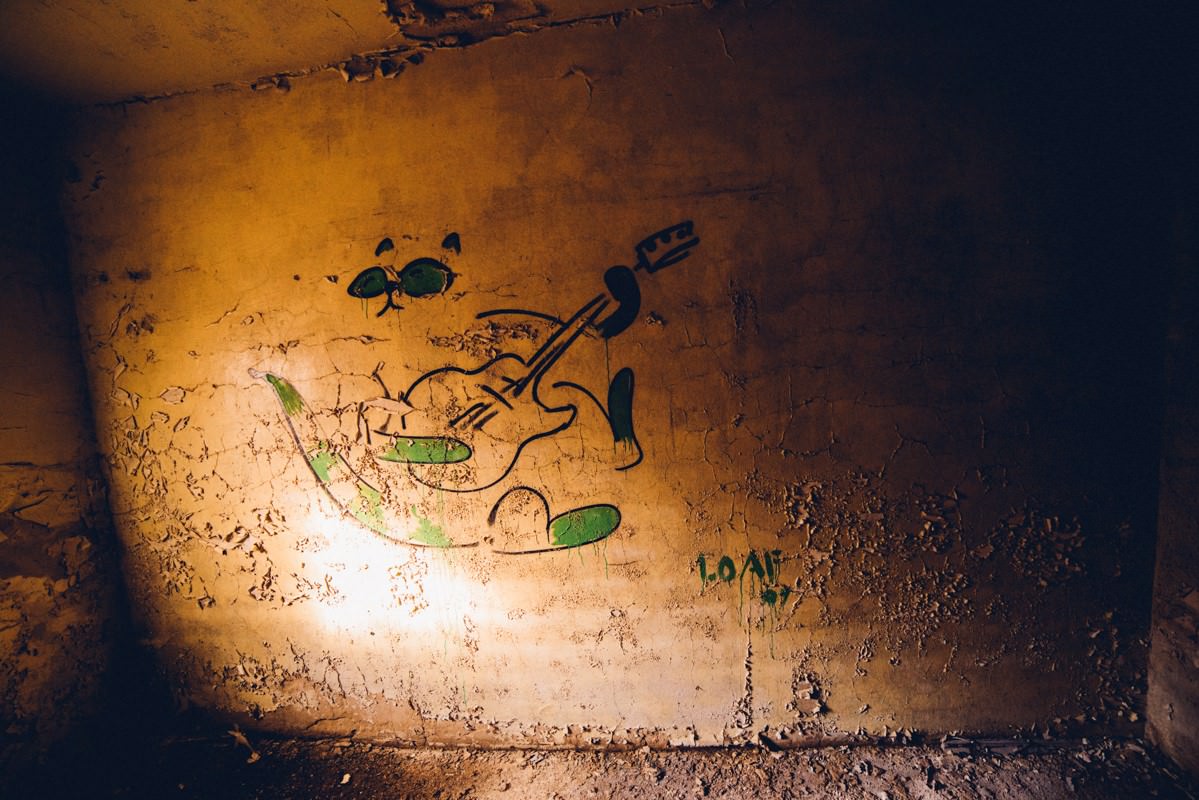
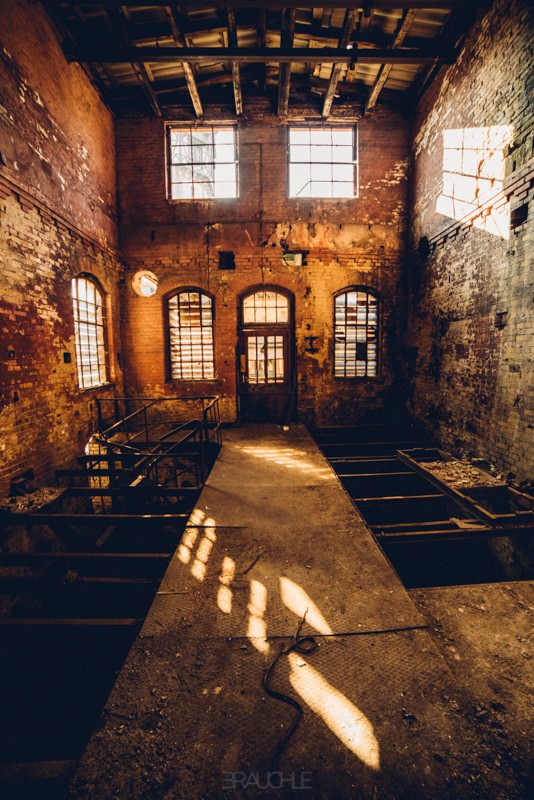
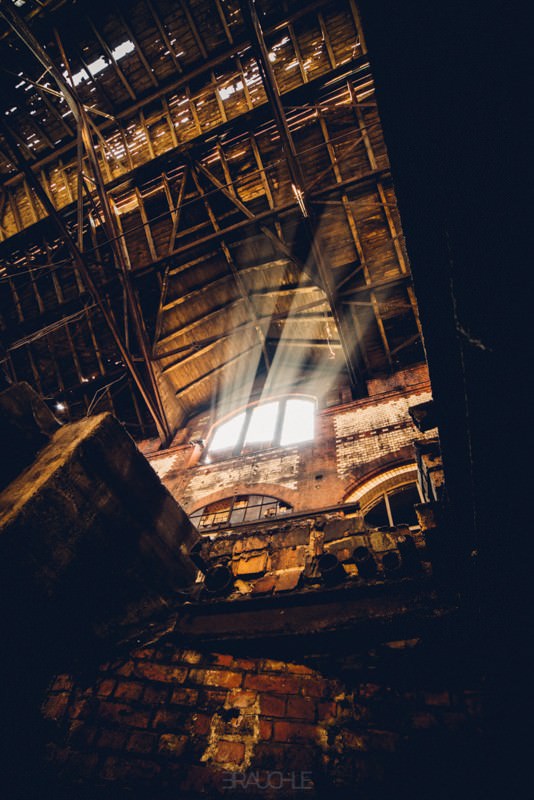
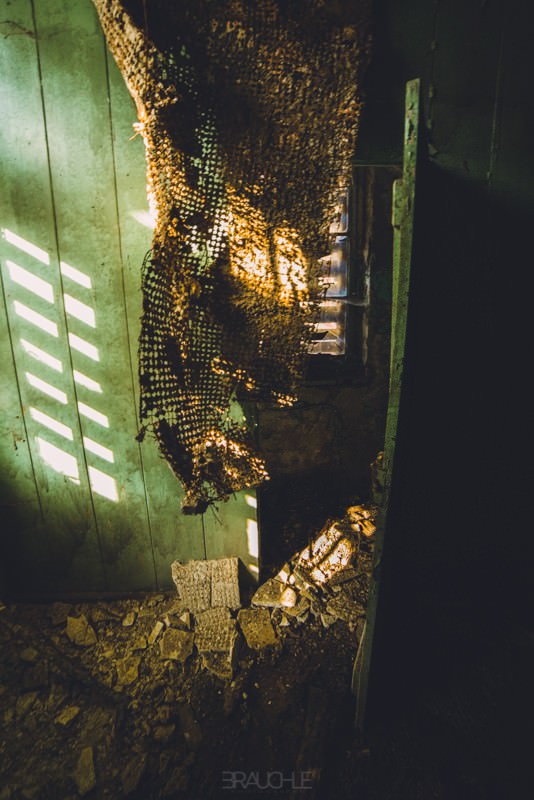
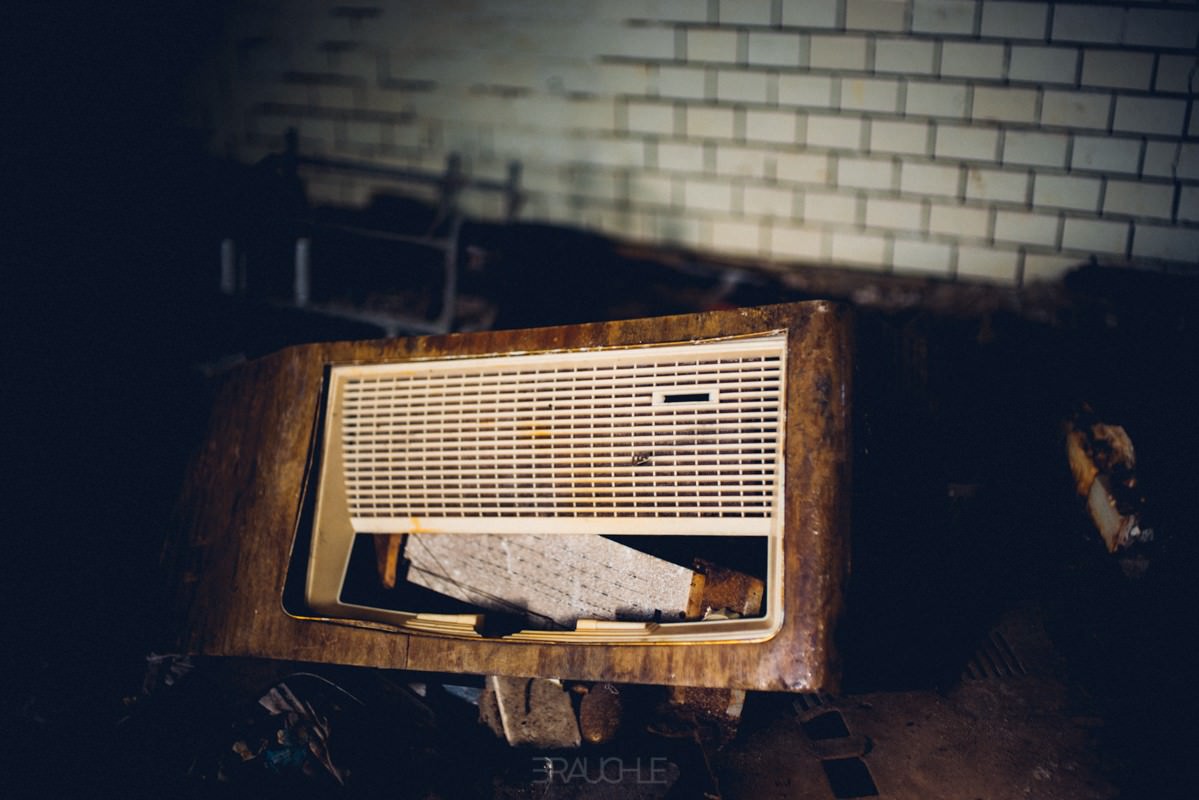
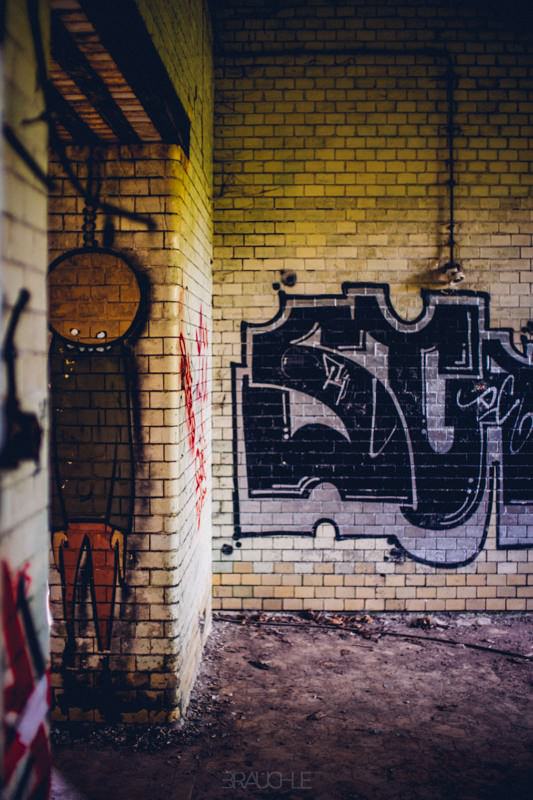
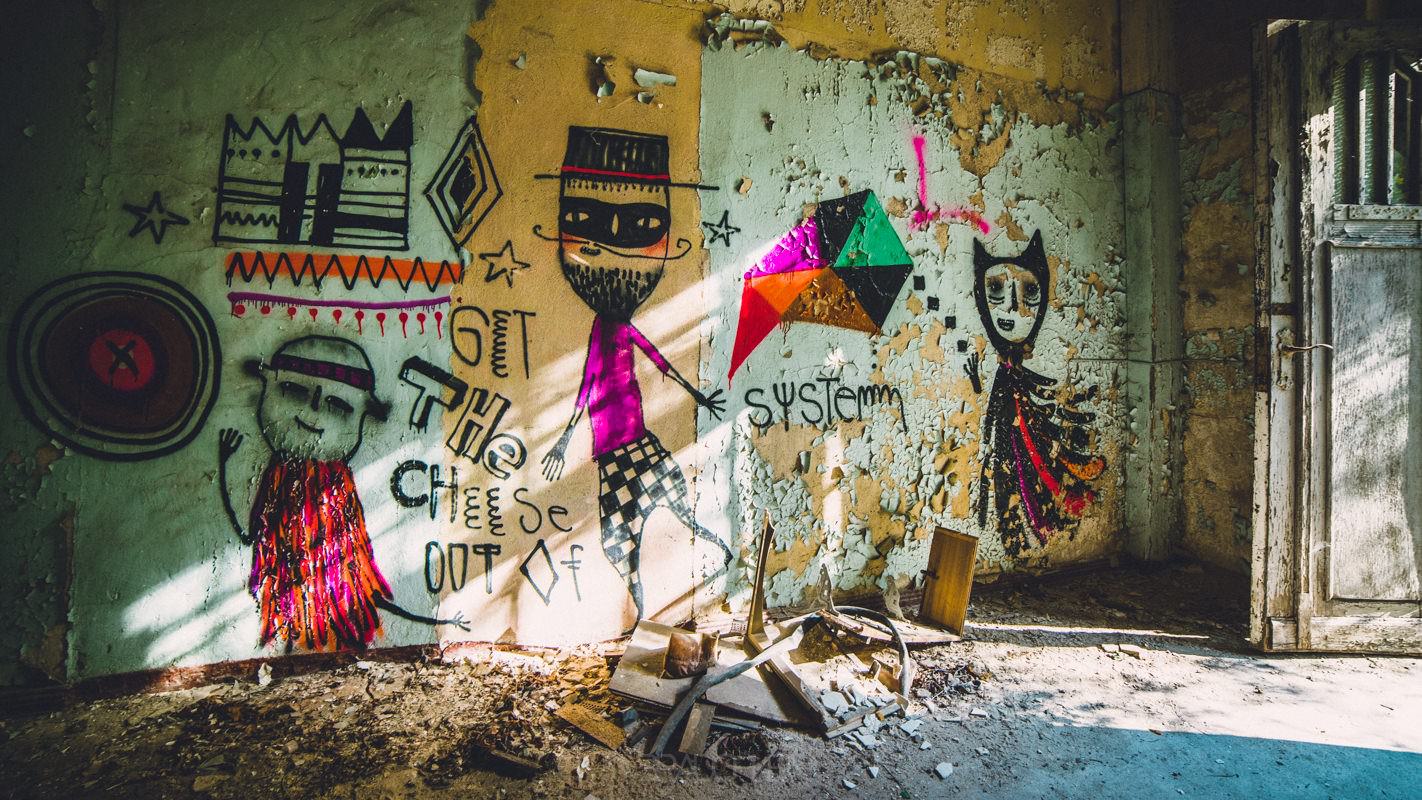
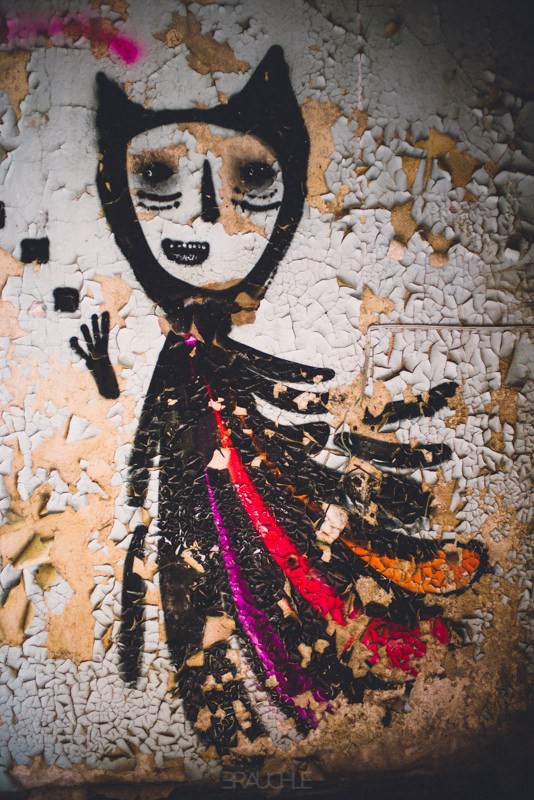
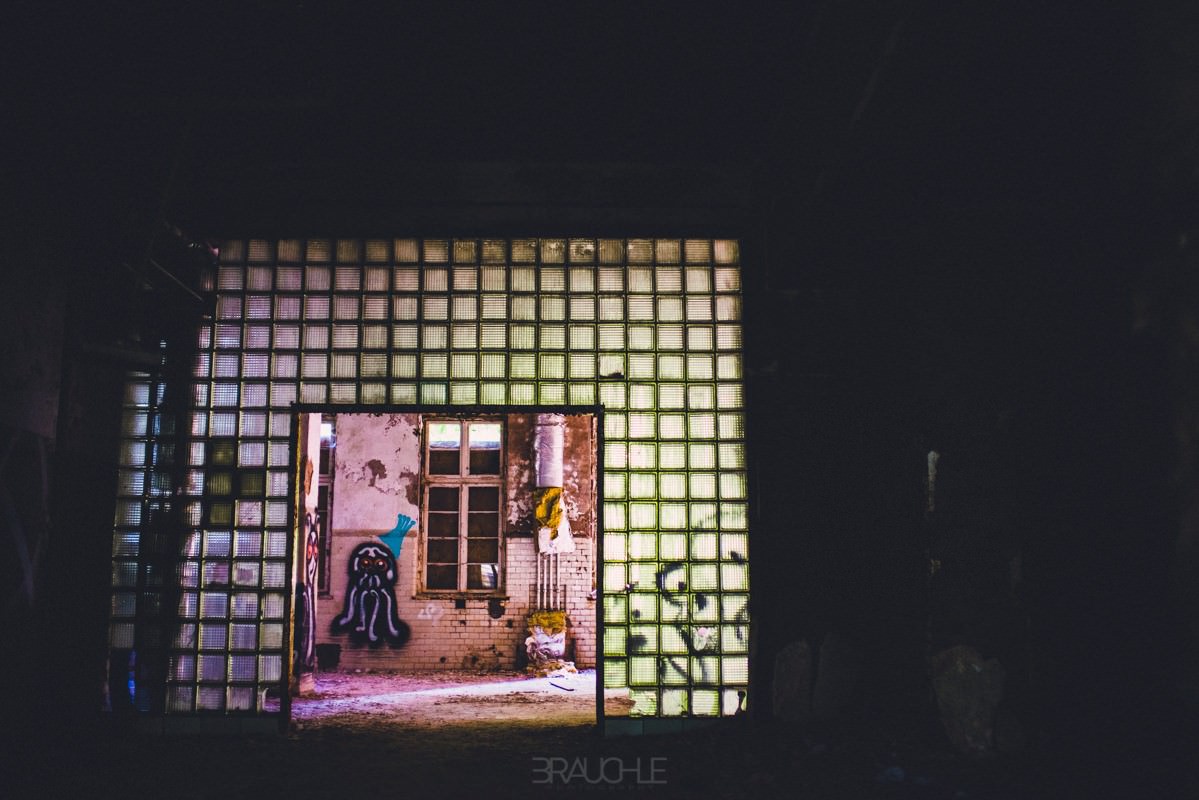
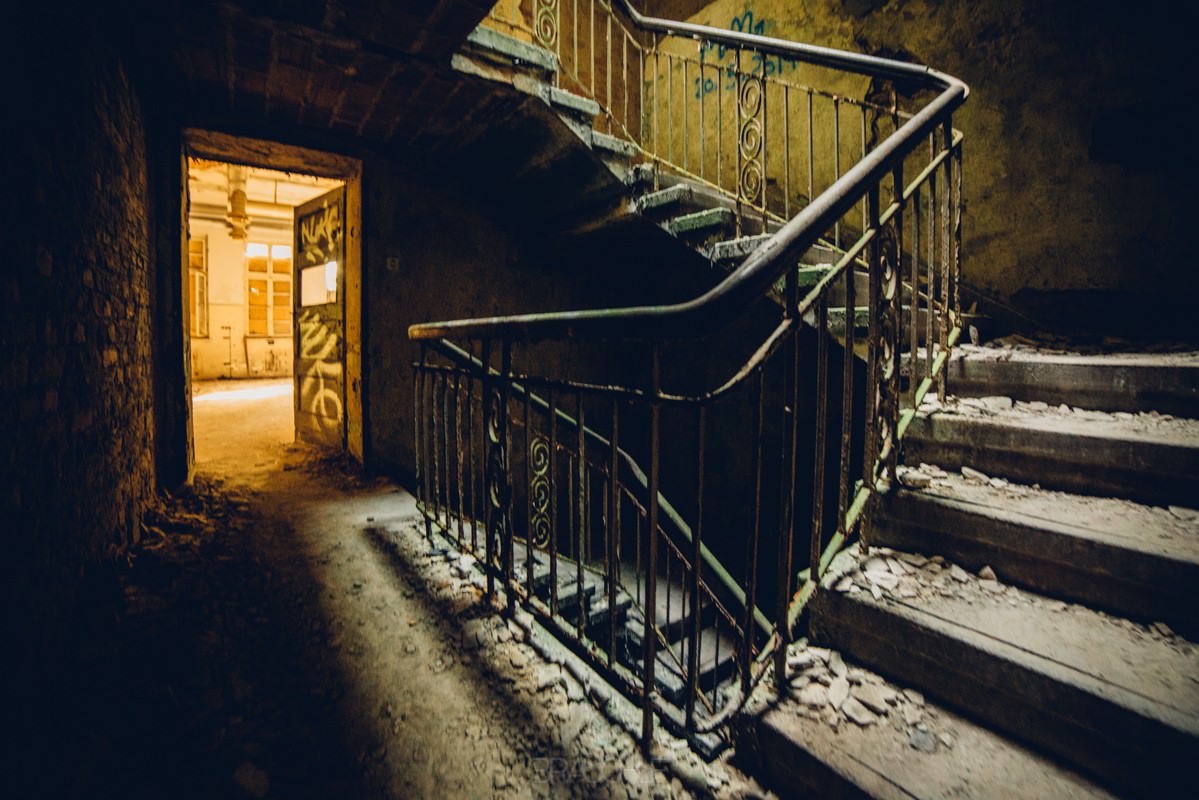
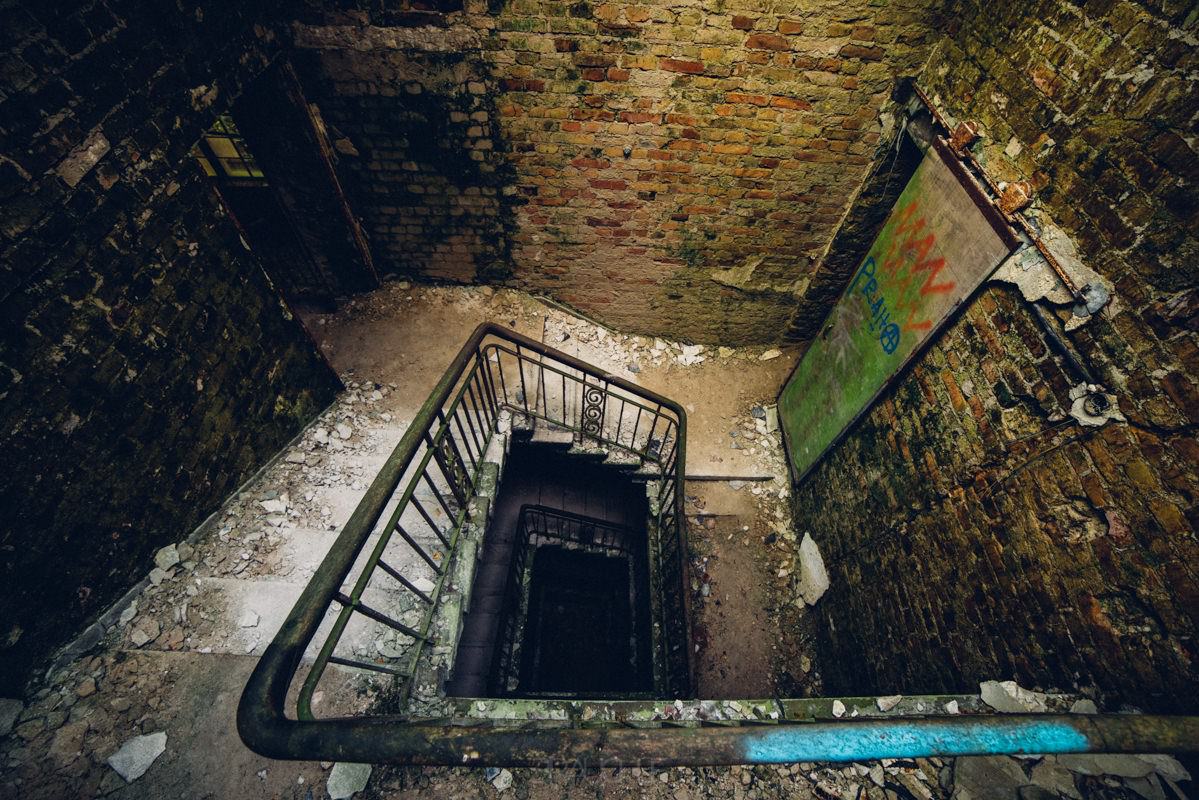
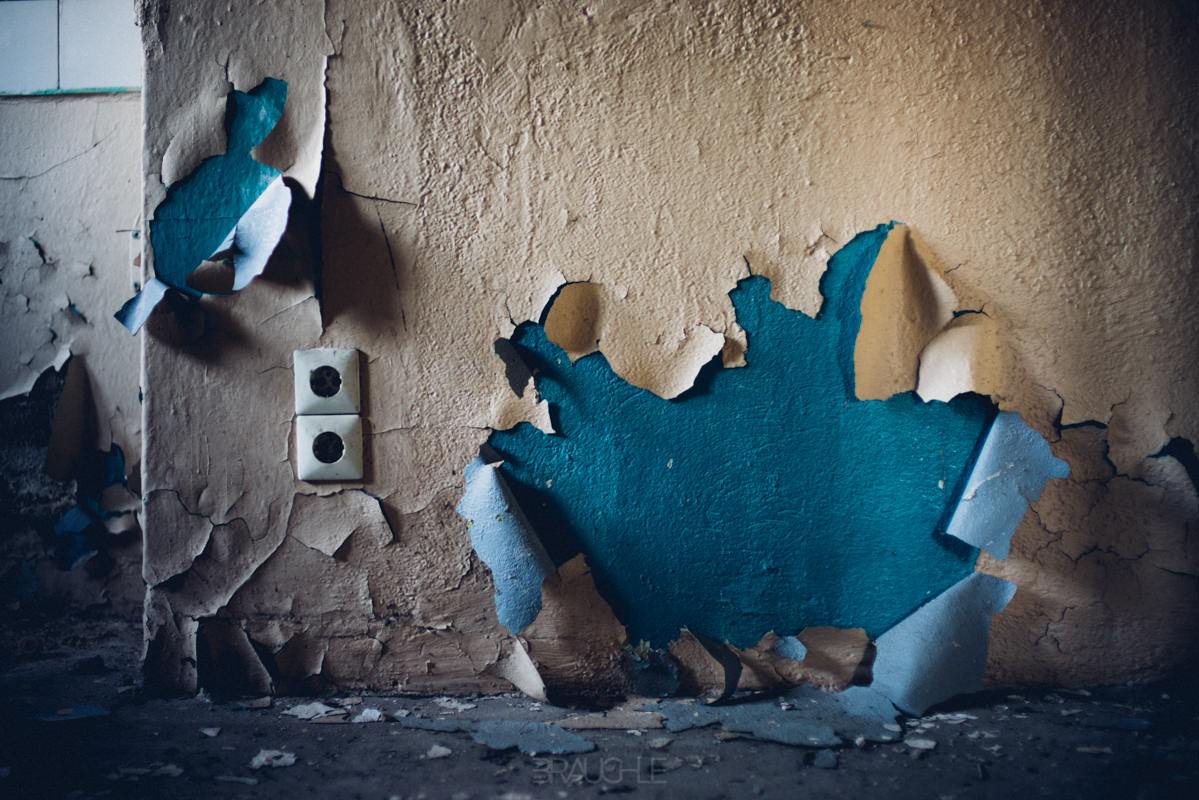
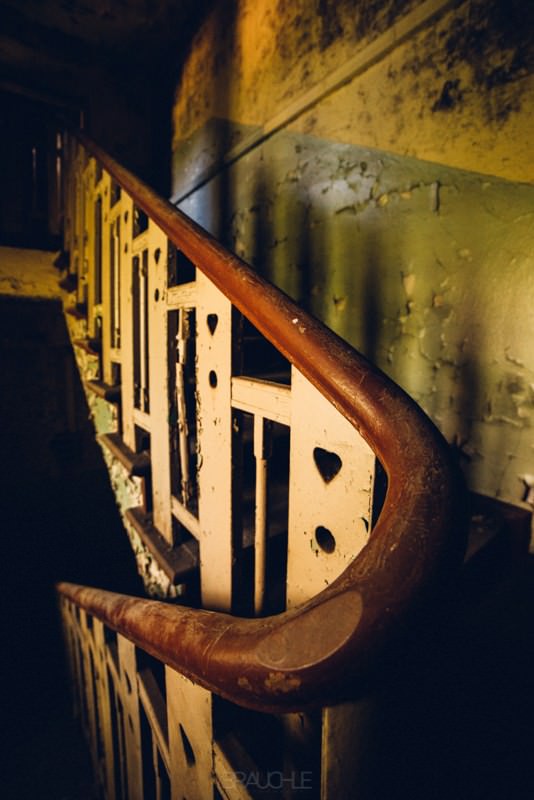
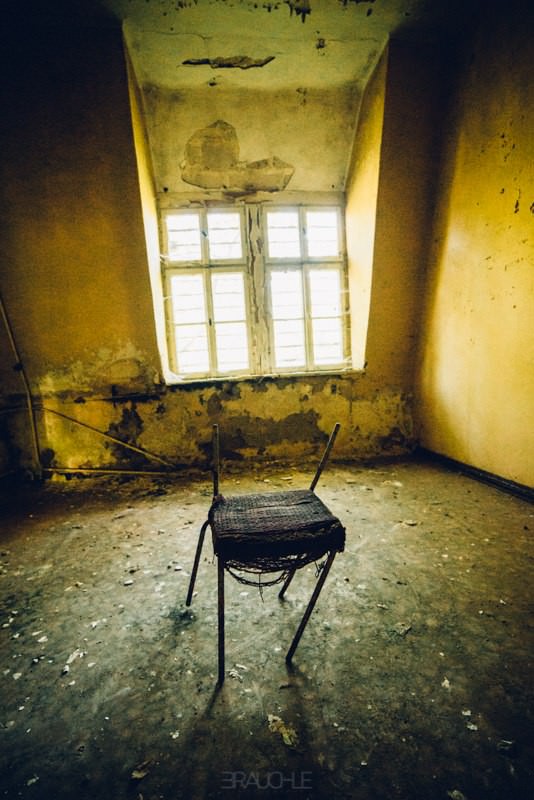
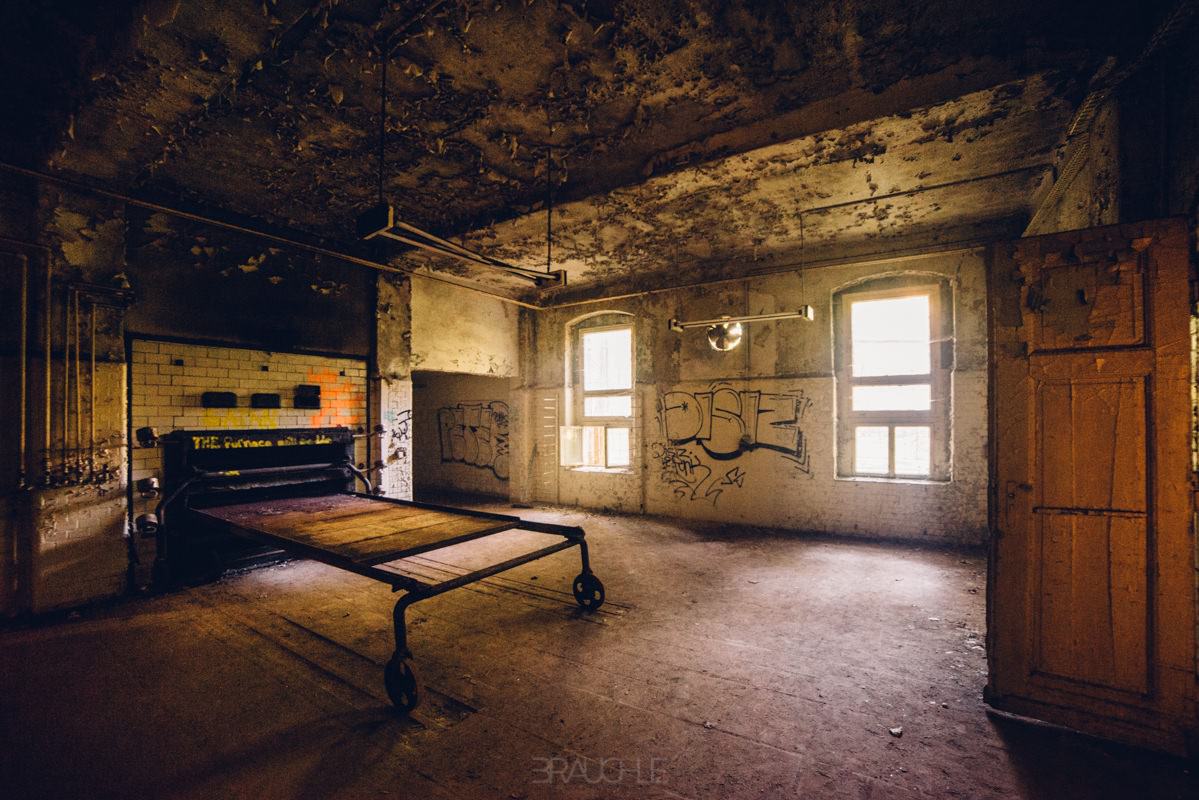
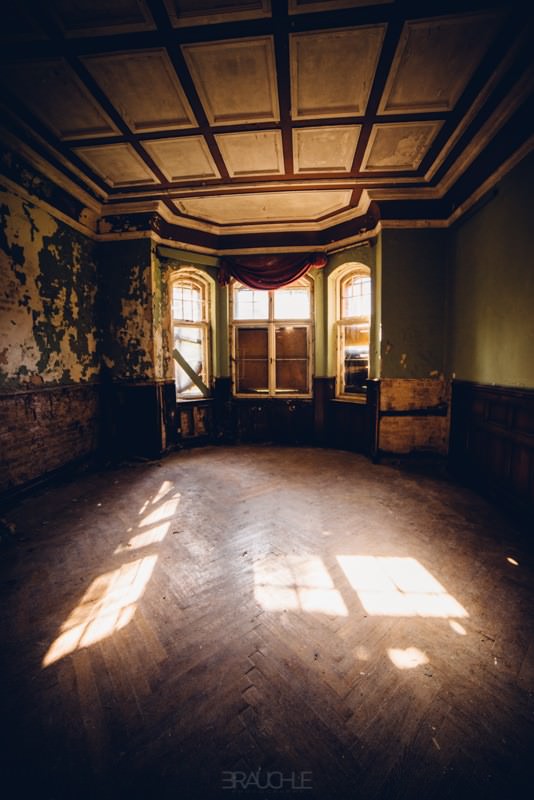
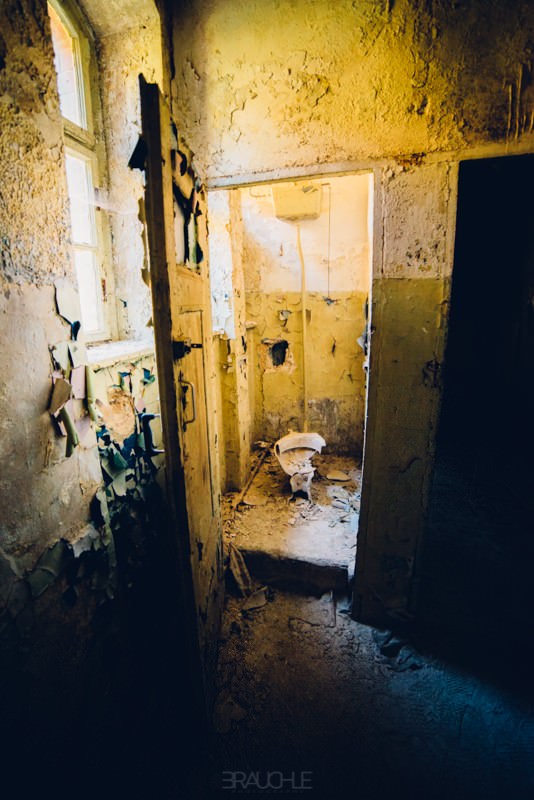
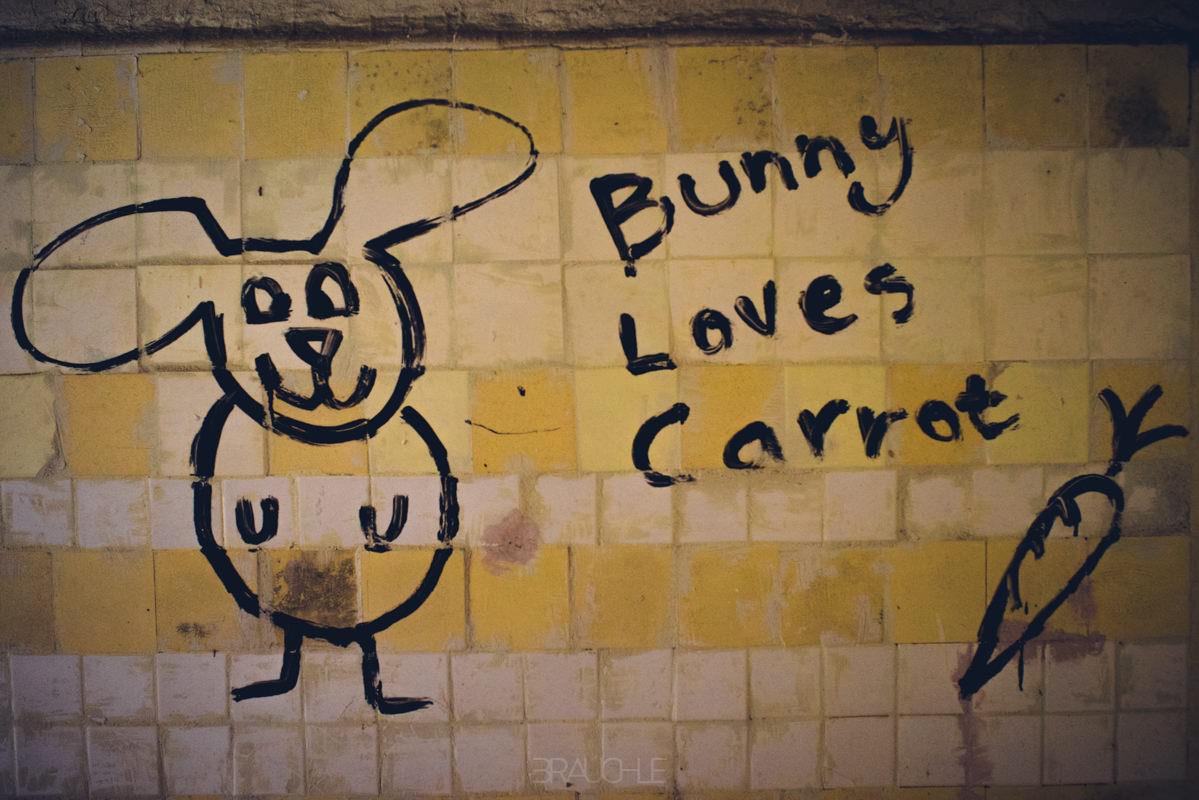
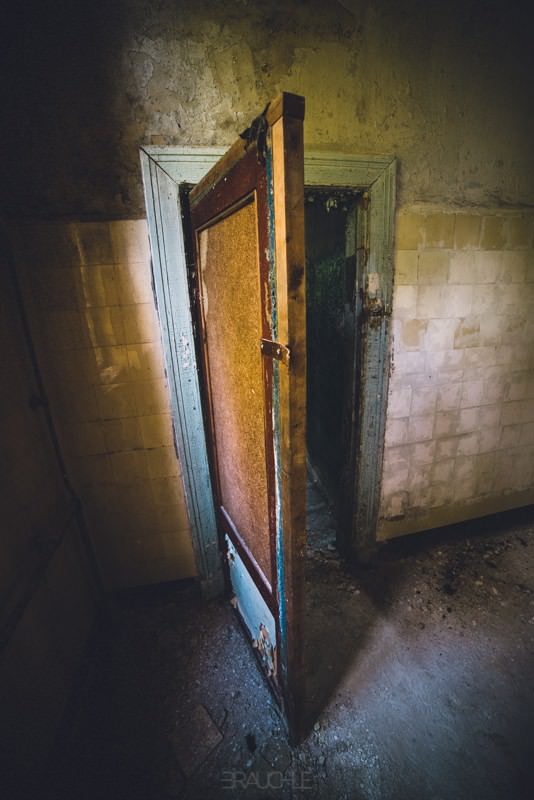
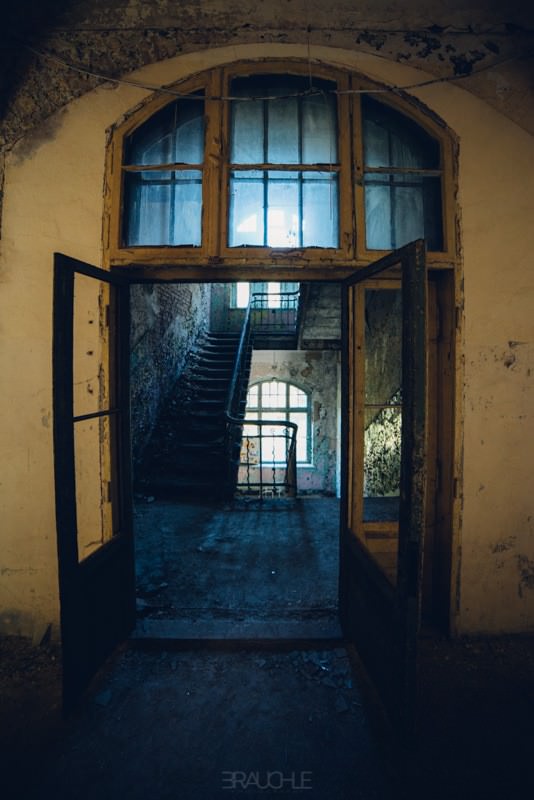
A long hall with roof struts, strips of light falling onto the rubble.A worn leather armchair in the rubble, the upholstery cracked.On the brick wall, „RED“ appears in red and white block letters.A painted guitar on the rough wall, set in a bright cone of light.Patches of light lie on the floor of the empty hall, windows at the far end.In the boiler house, a soot-black wall with several round boiler openings.Light falls through the collapsed roof onto beams and rubble.A green door in a room full of rubble, with light coming in from the side.The radio with its speaker grille sits on the shelf against white tiles.Black graffiti on the yellow-tiled wall, with cables hanging beside it.Bright figures and symbols cover the wall of the empty room.A painted figure with cat ears and a bright dress on the crumbling wall.A large painted face in the doorway, paint flaking off around the frame.An open fuse box on white tiles, with the cables running downward.Through the glass blocks you see the room beyond, a chair inside it.A metal banister along the stairs, light spilling from an open door beyond.A stairwell with a dark banister, rubble lying on the lower steps.The wall paint flakes away in large patches and reveals a field of blue.A washbasin on the stained wall, plaster falling away beside it.The wooden banister curves round the stairs, with paint flaking in strips.A single chair by the tall window – otherwise the room stays empty.Only an old bed frame is left in the large, abandoned room.Façade of the lung sanatorium complex, built between 1898 and 1930.Window light casts bright rectangles on the floor of the empty hall.An open window onto trees and the brick wall of the neighbouring building.The open doors give a view straight into the long yellow corridor.In the yellow room the door stands open, with a toilet and basin beyond.On the yellow tiles, a drawn rabbit beside the words „Bunny Loves Carrot“.A half-open wooden door into the next room, plaster crumbling on the walls.The double door stands open onto the stairwell, the arched window above.Floral wallpaper peels off the blue-painted wall, leaving the plaster bare.