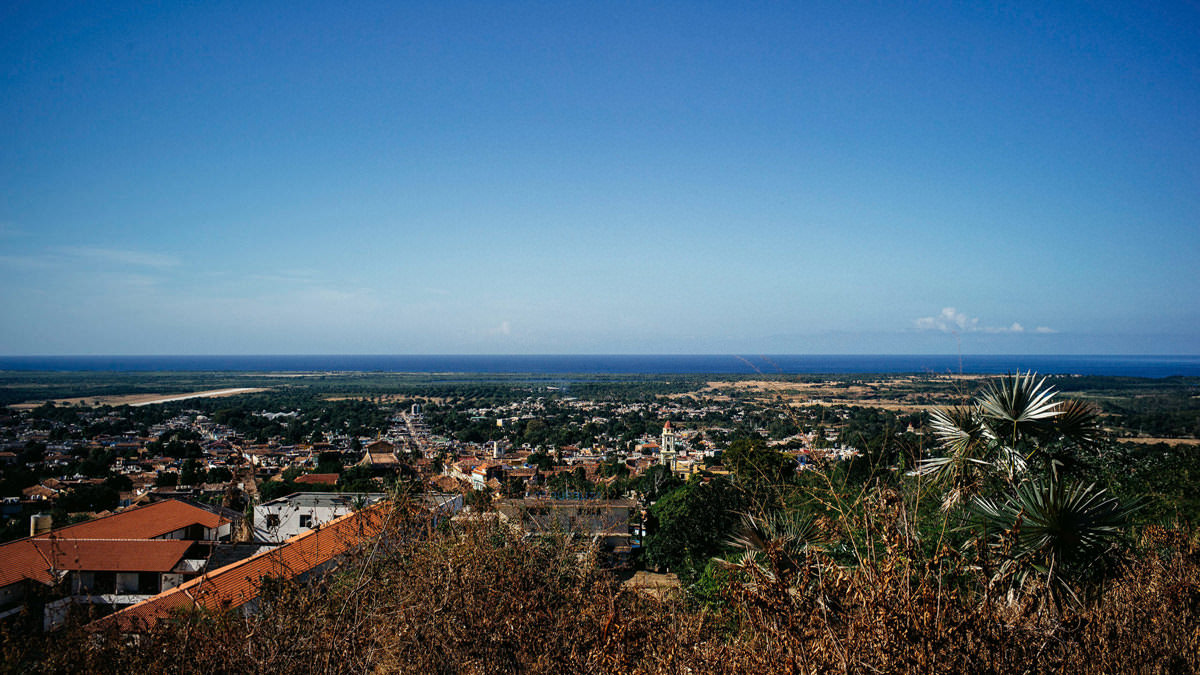
On our last morning in Trinidad, after breakfast, we quickly climbed a hill north of the town with a lovely view over Trinidad to the sea. Then we went on to Cienfuegos, a charming, relaxed town on Cuba’s south coast.
A stroll through Cienfuegos
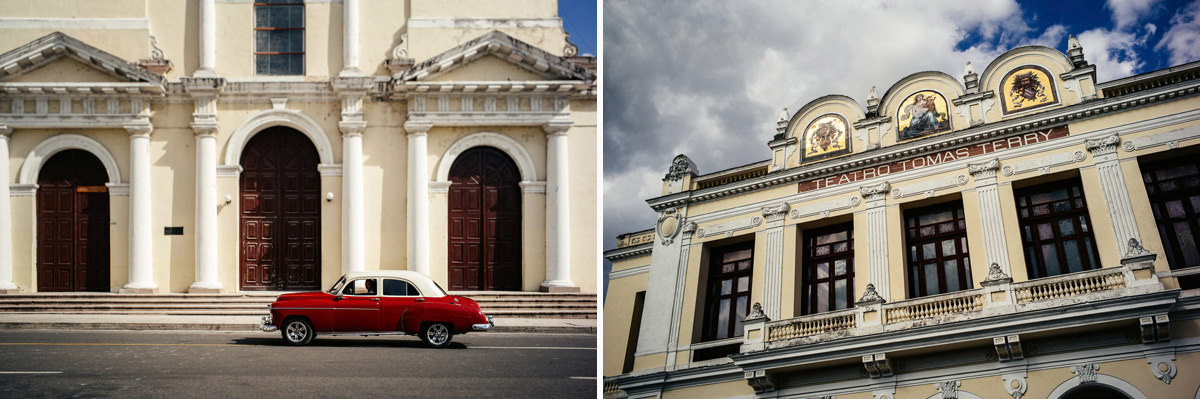
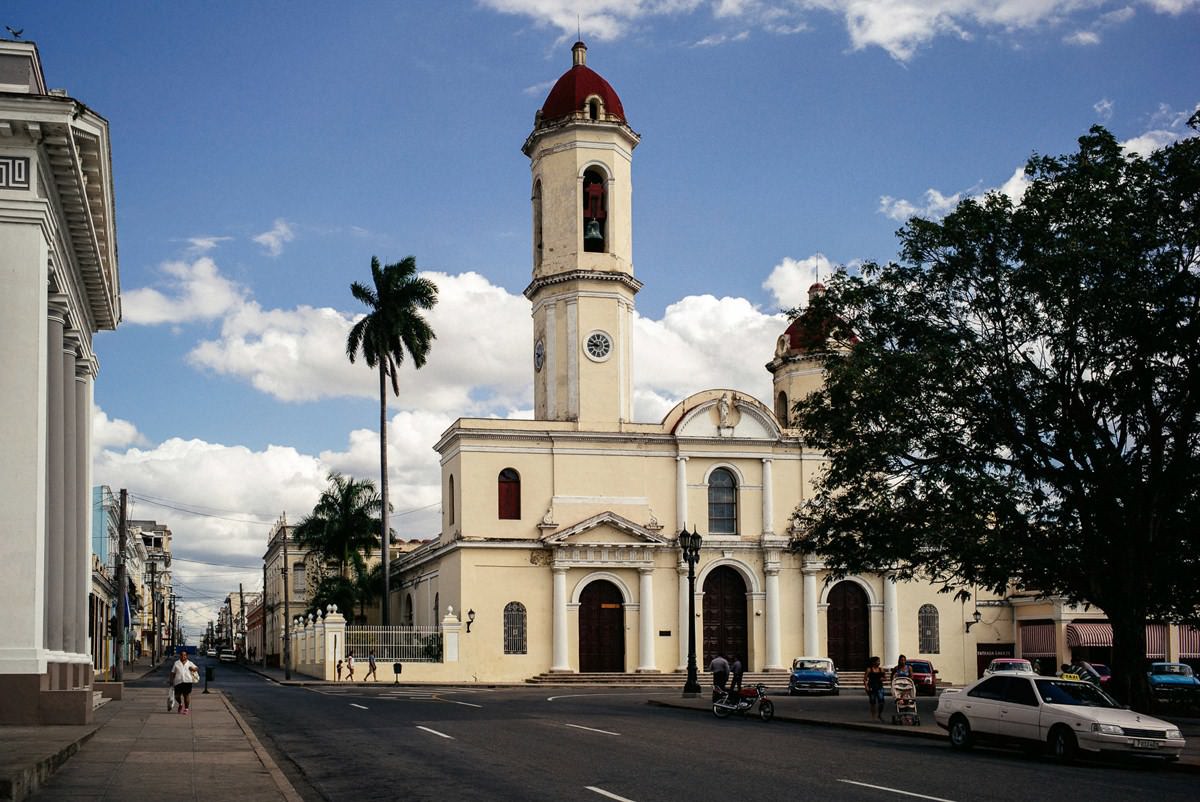
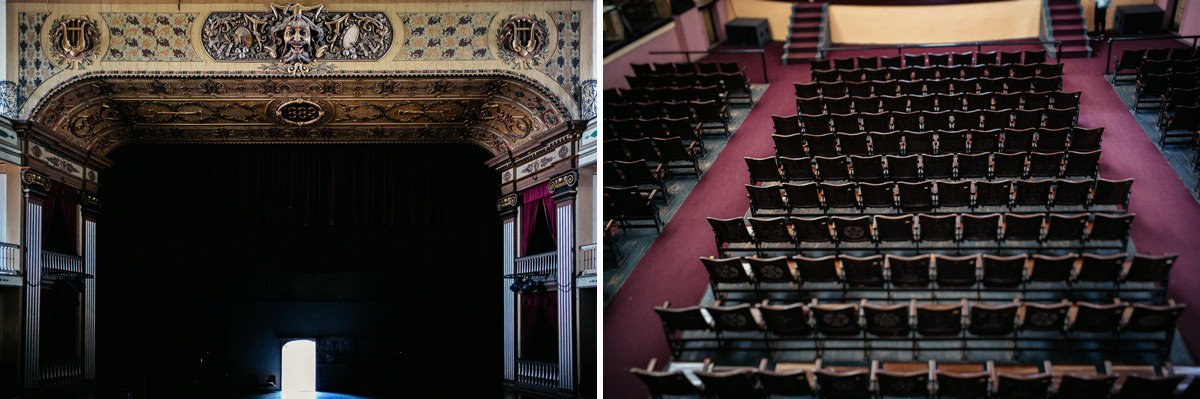
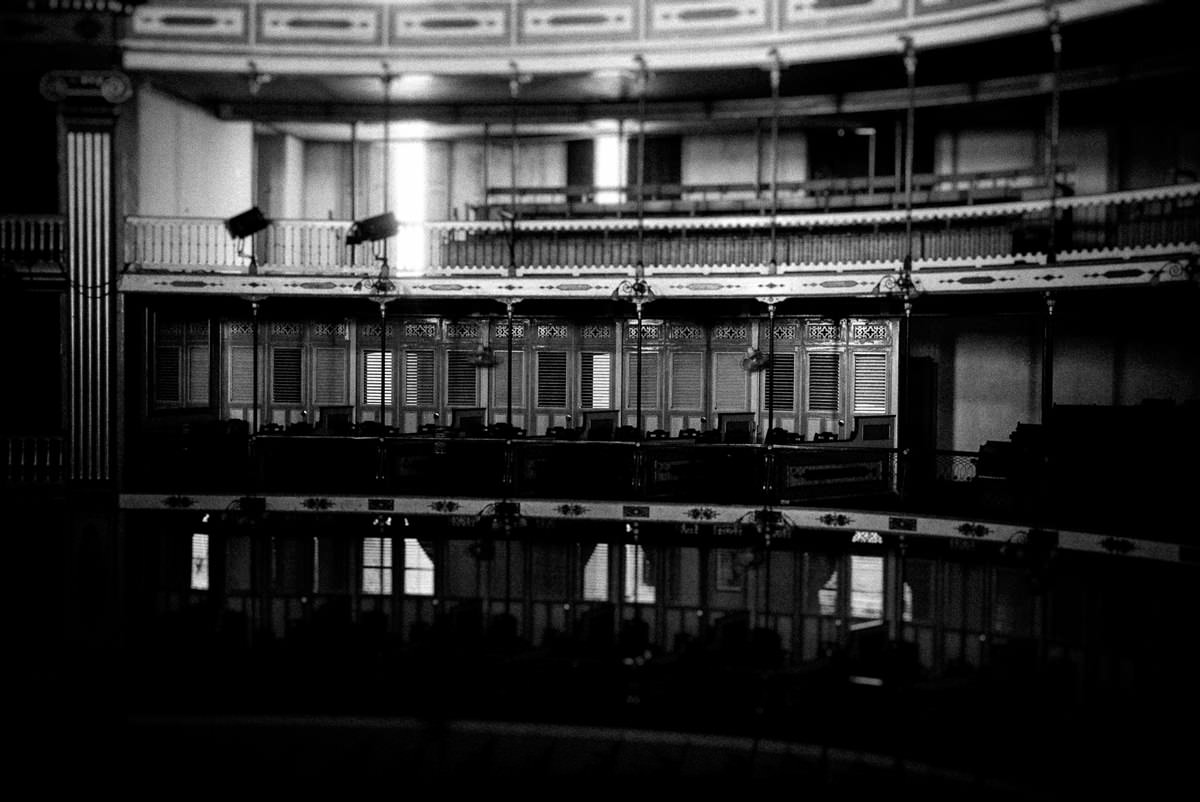
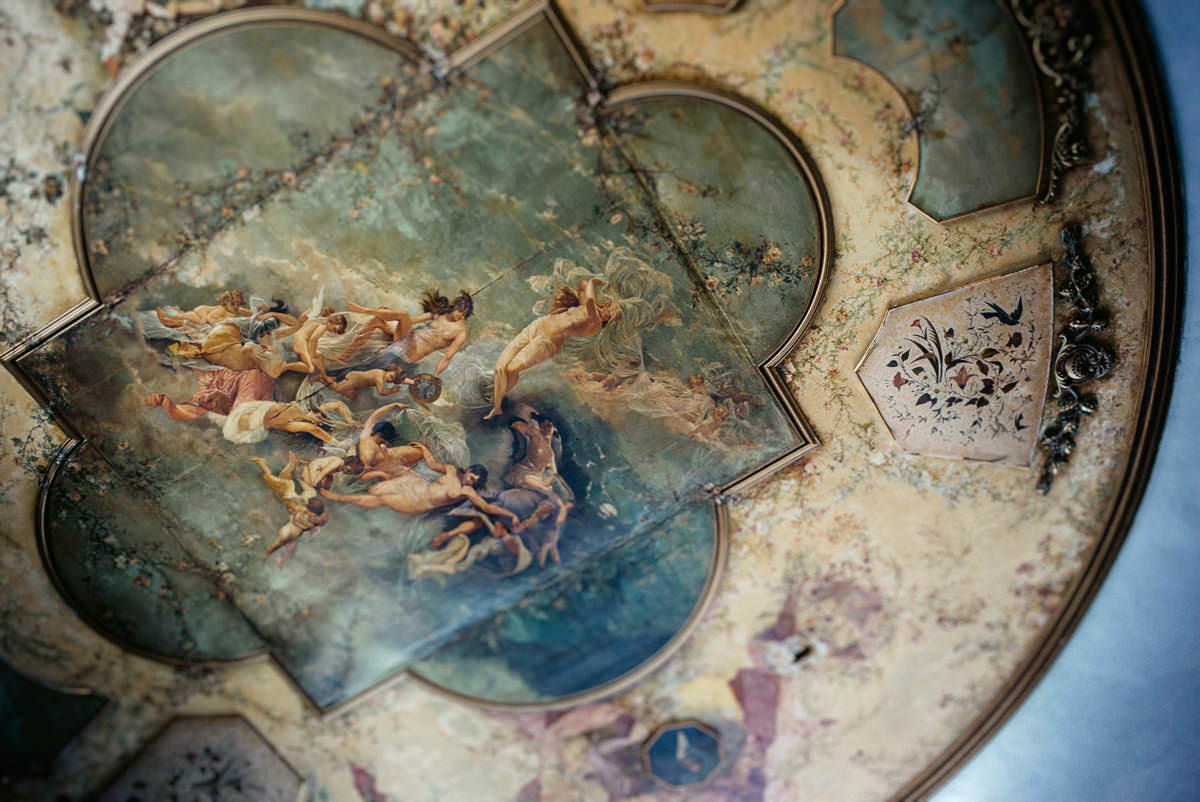
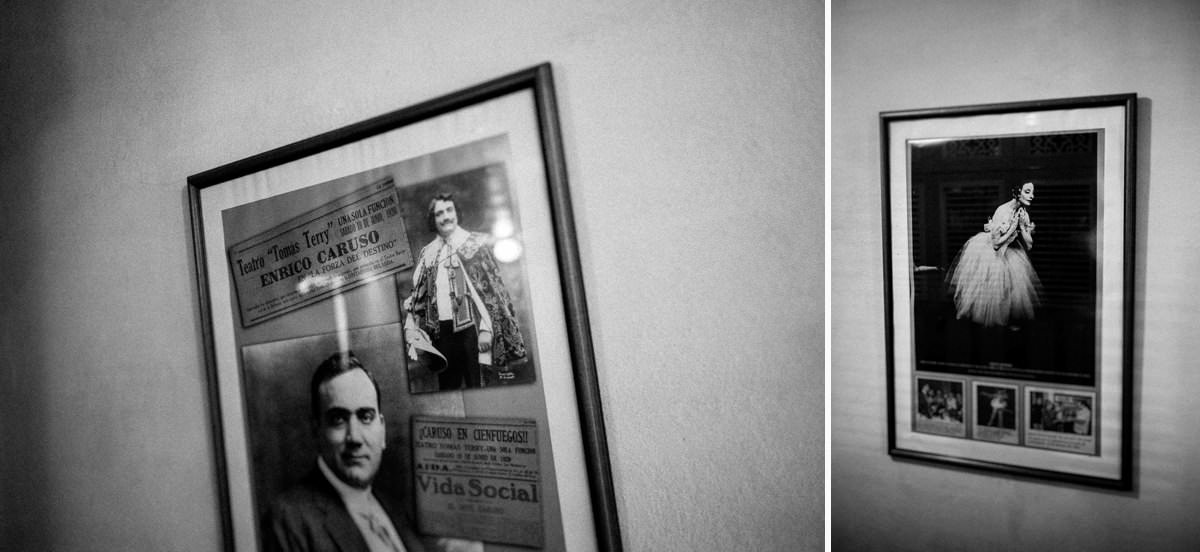
In Cienfuegos we strolled through the lovely lanes and, among other things, visited the old Teatro Tomás Terry. I’ve forgotten exactly how old it is – but performances are still held there regularly, despite some sizeable holes in the ceiling. Cienfuegos, around 250 kilometres from Havana, is called the “Pearl of the South”; despite its name (“a hundred fires”), it goes back to José Cienfuegos, Captain General of Cuba from 1816 to 1819. Many of its finest buildings were commissioned by Spanish immigrants who grew rich in the sugar trade around 1900.
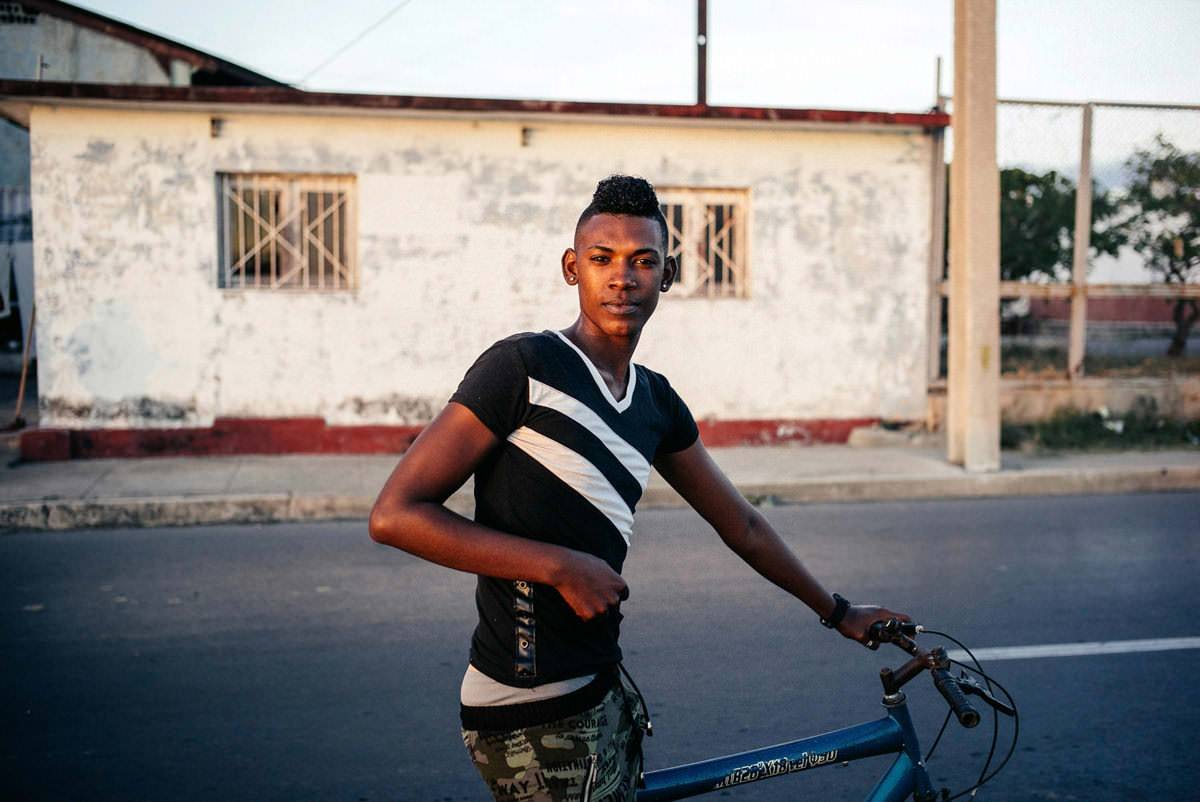
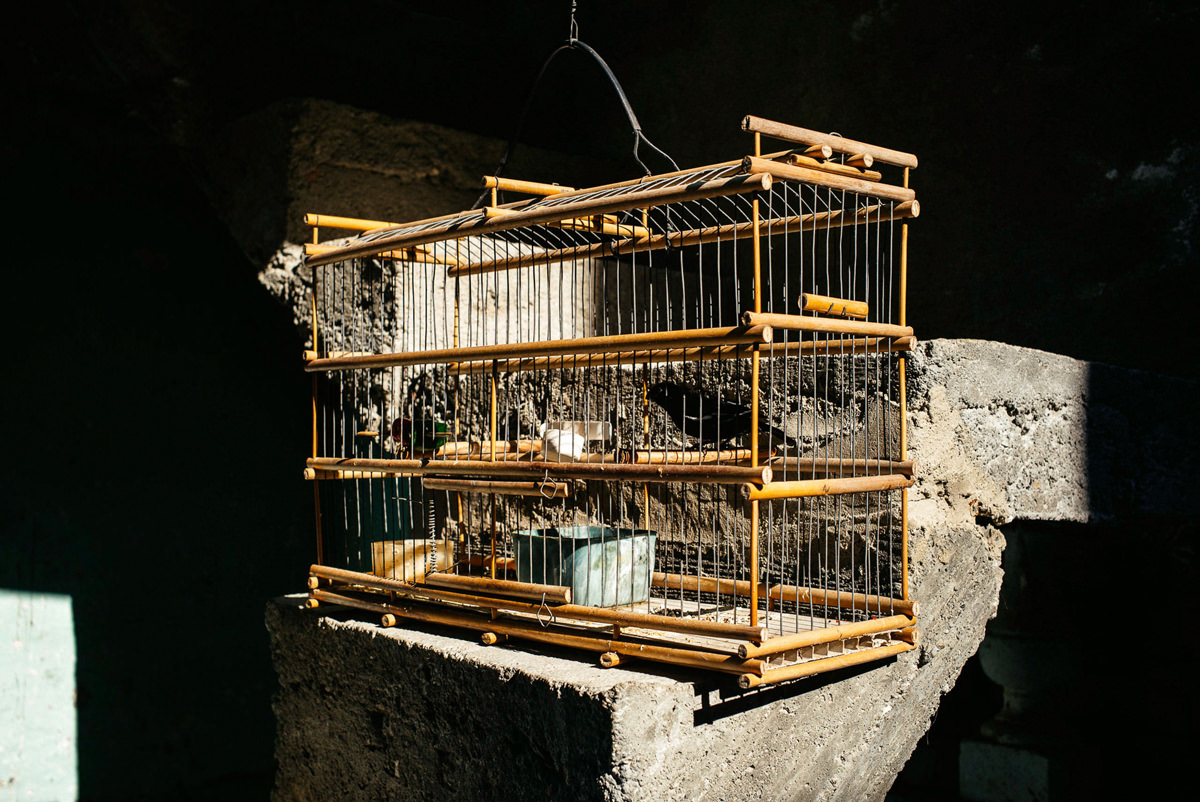
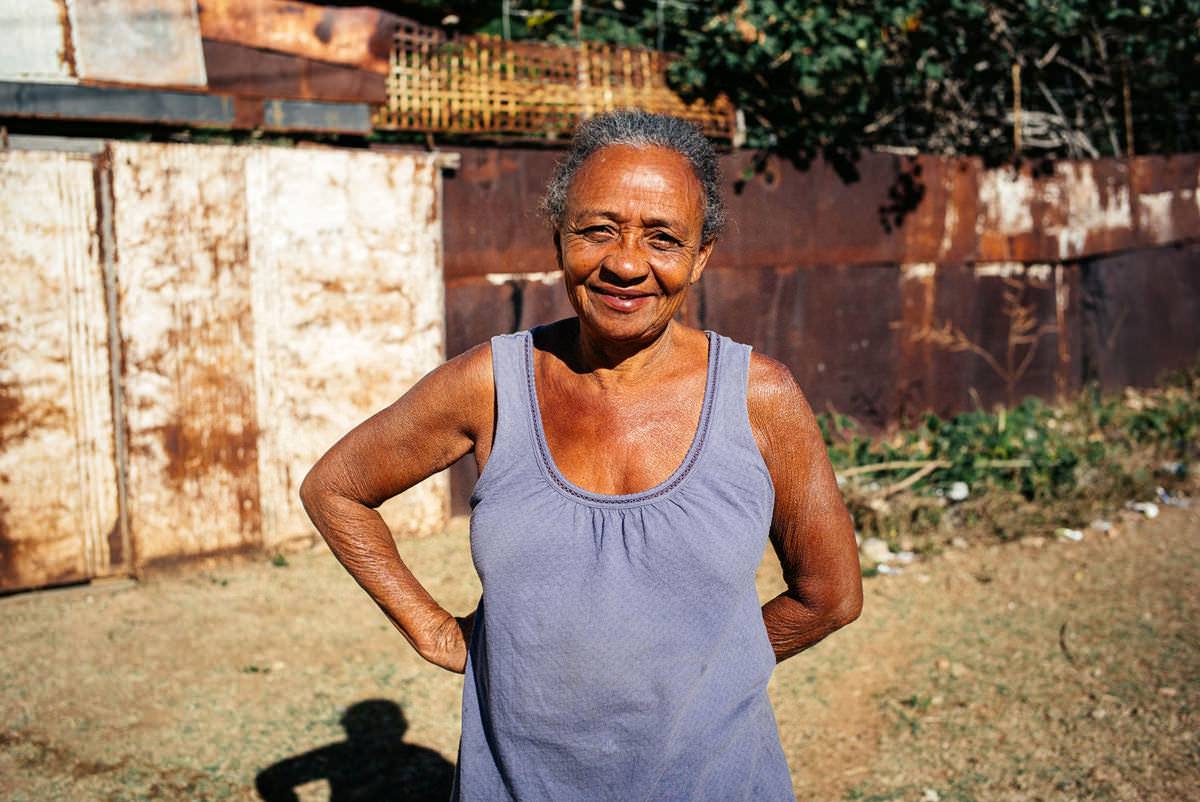
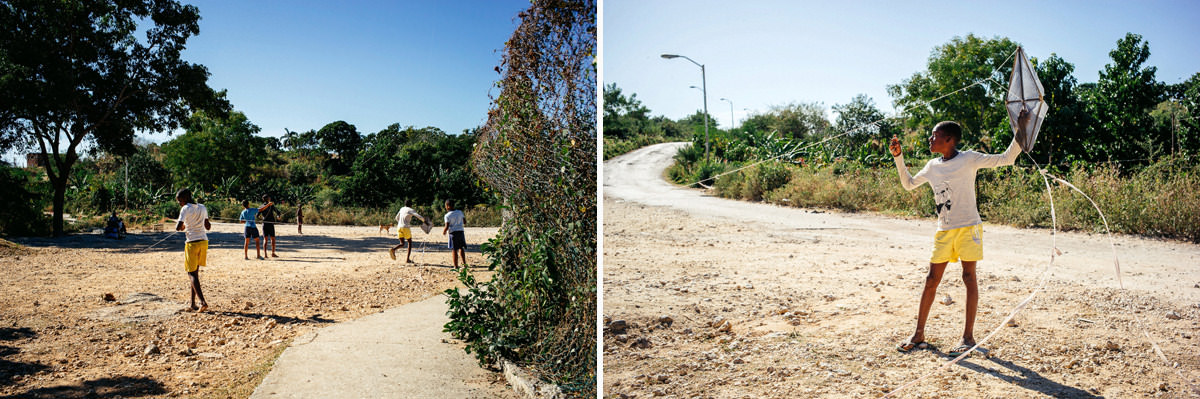
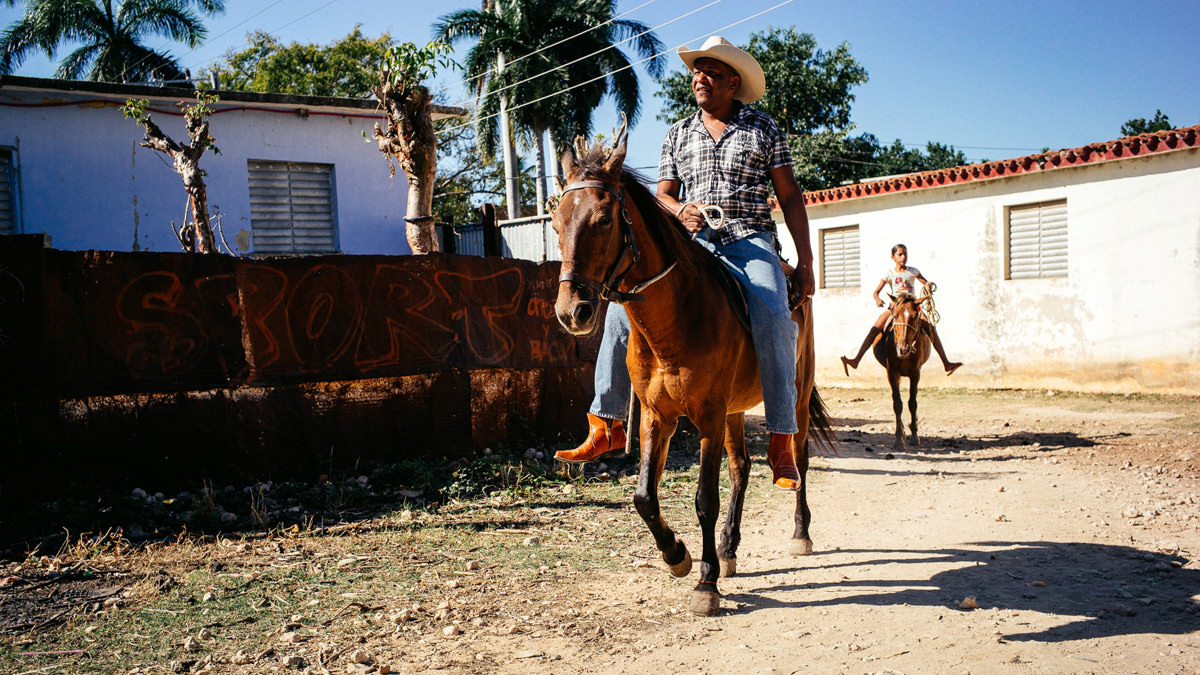
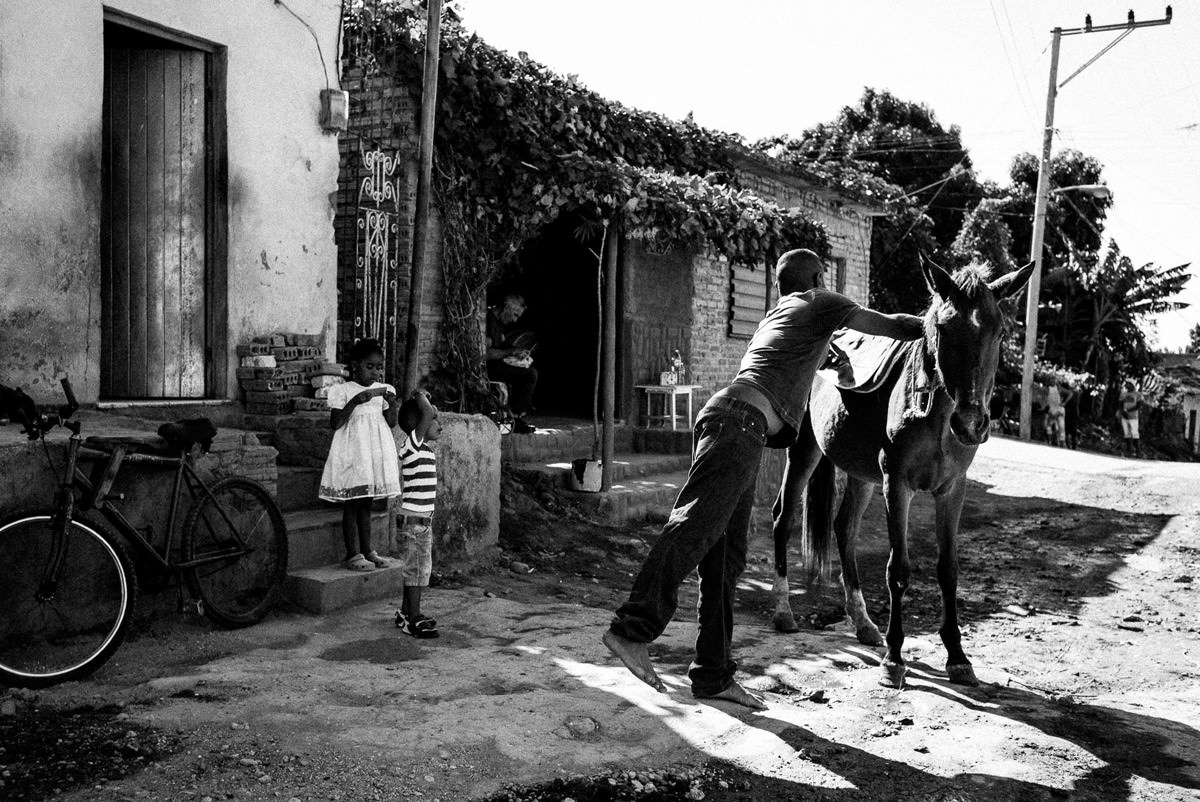
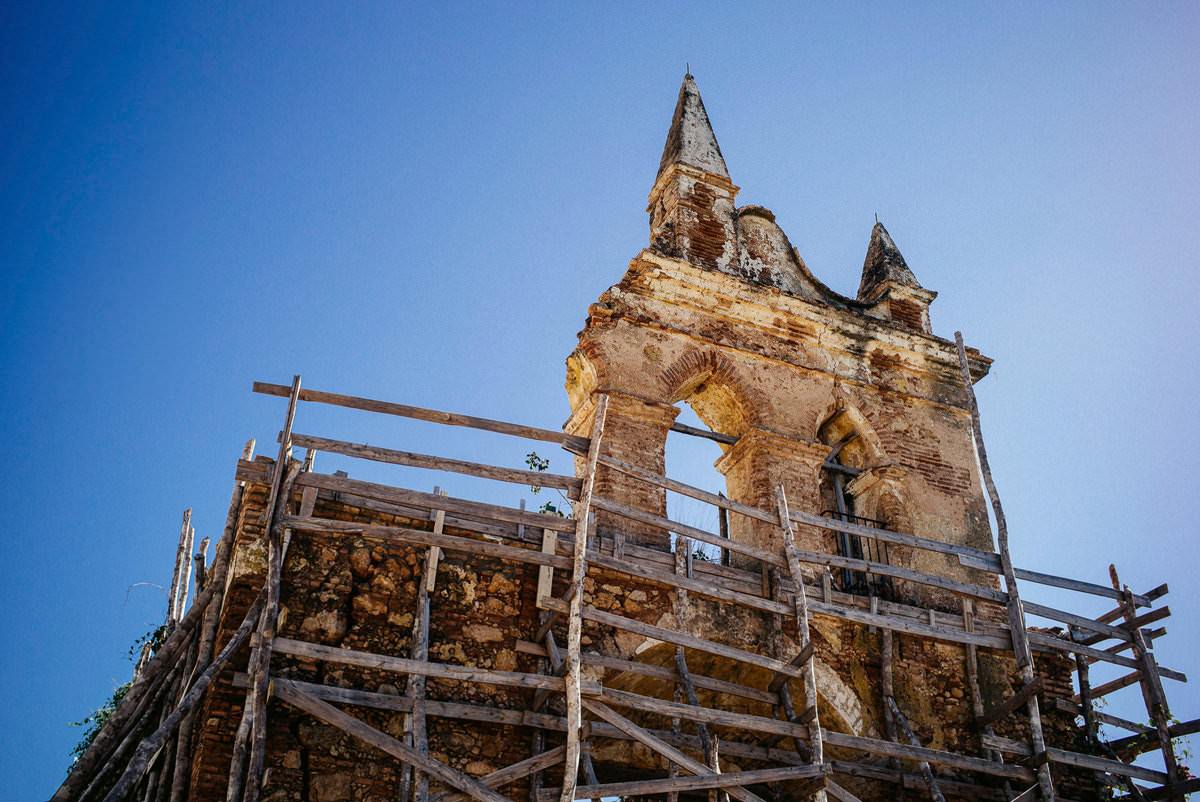
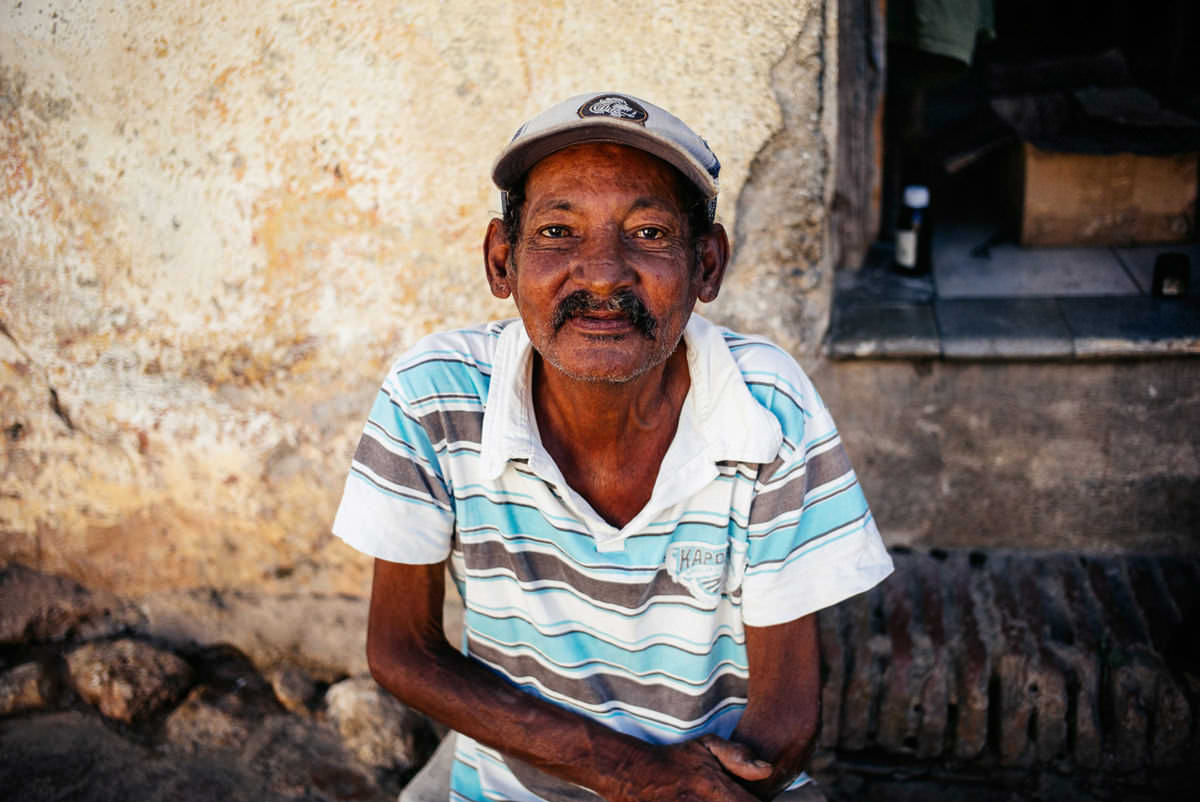
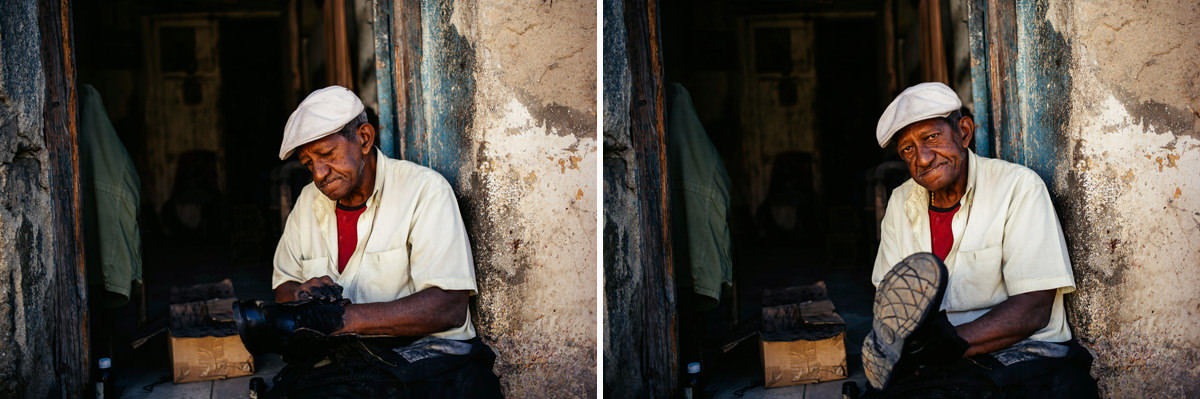
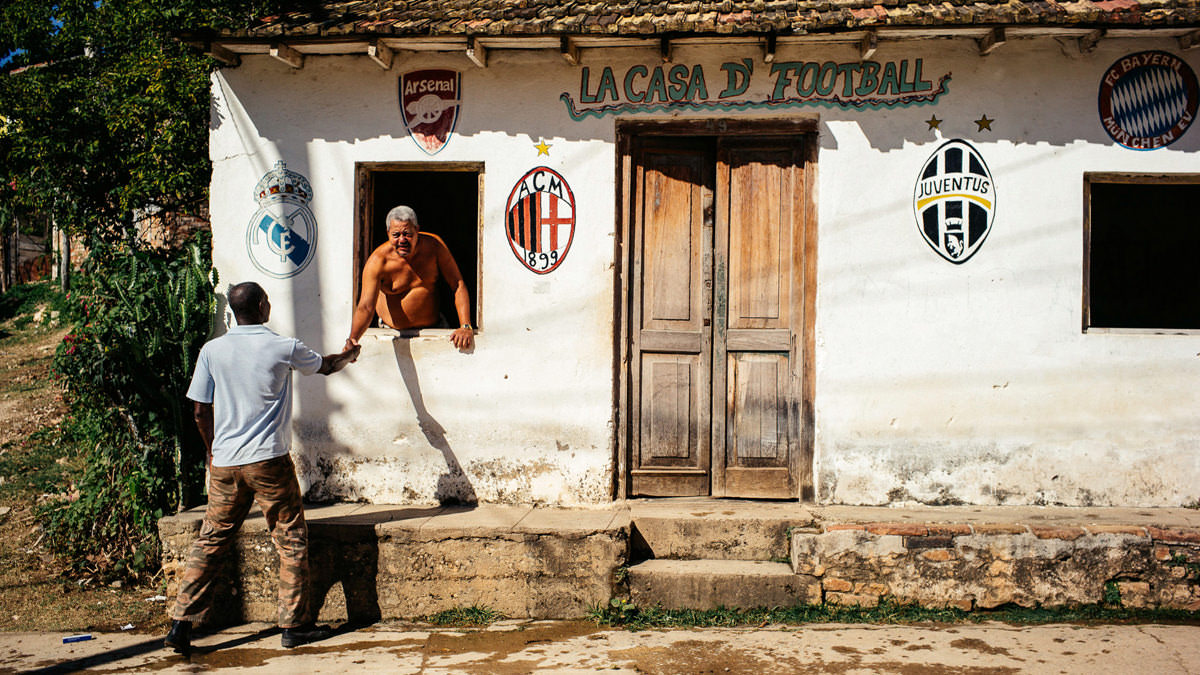
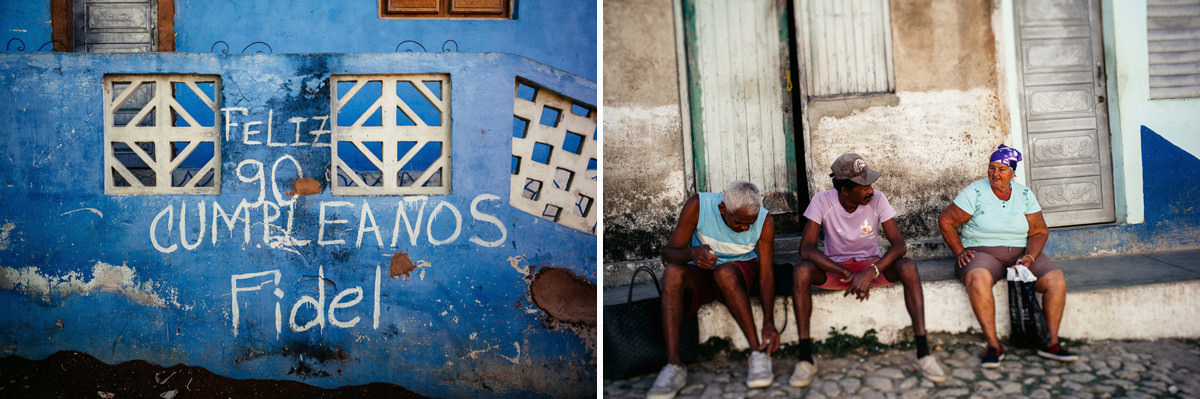
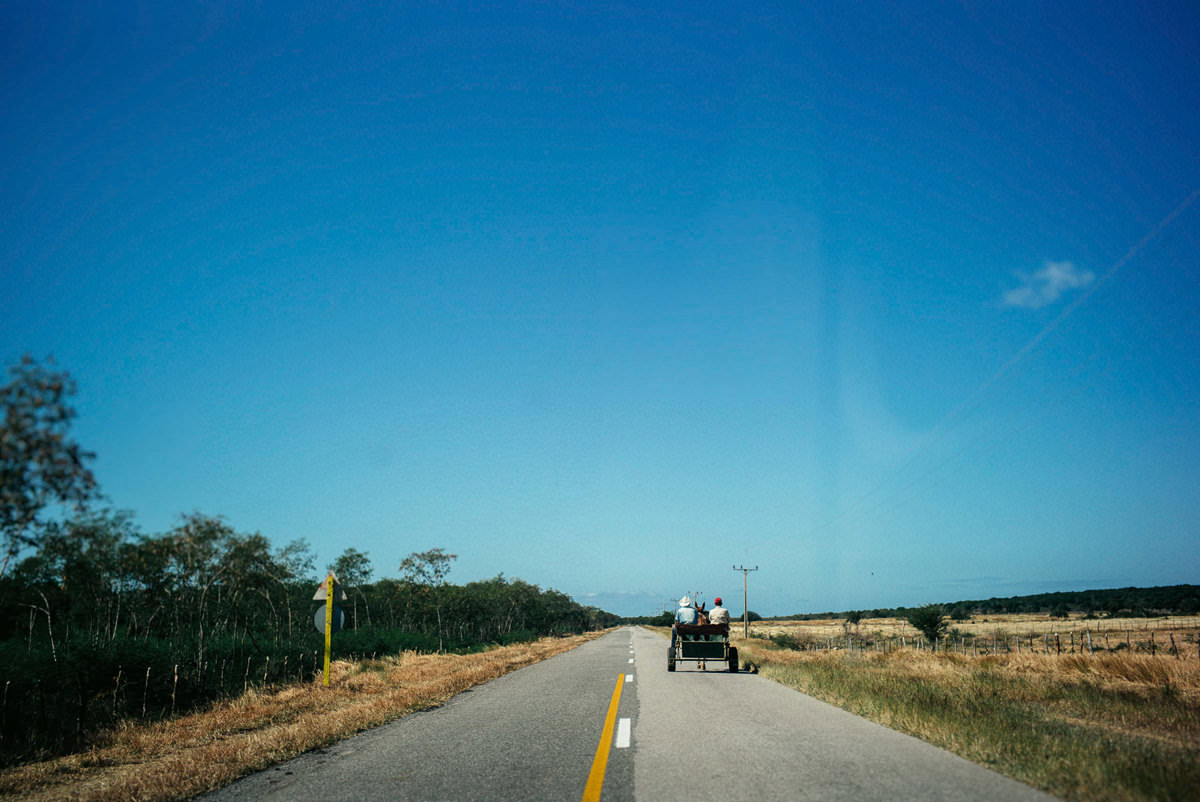
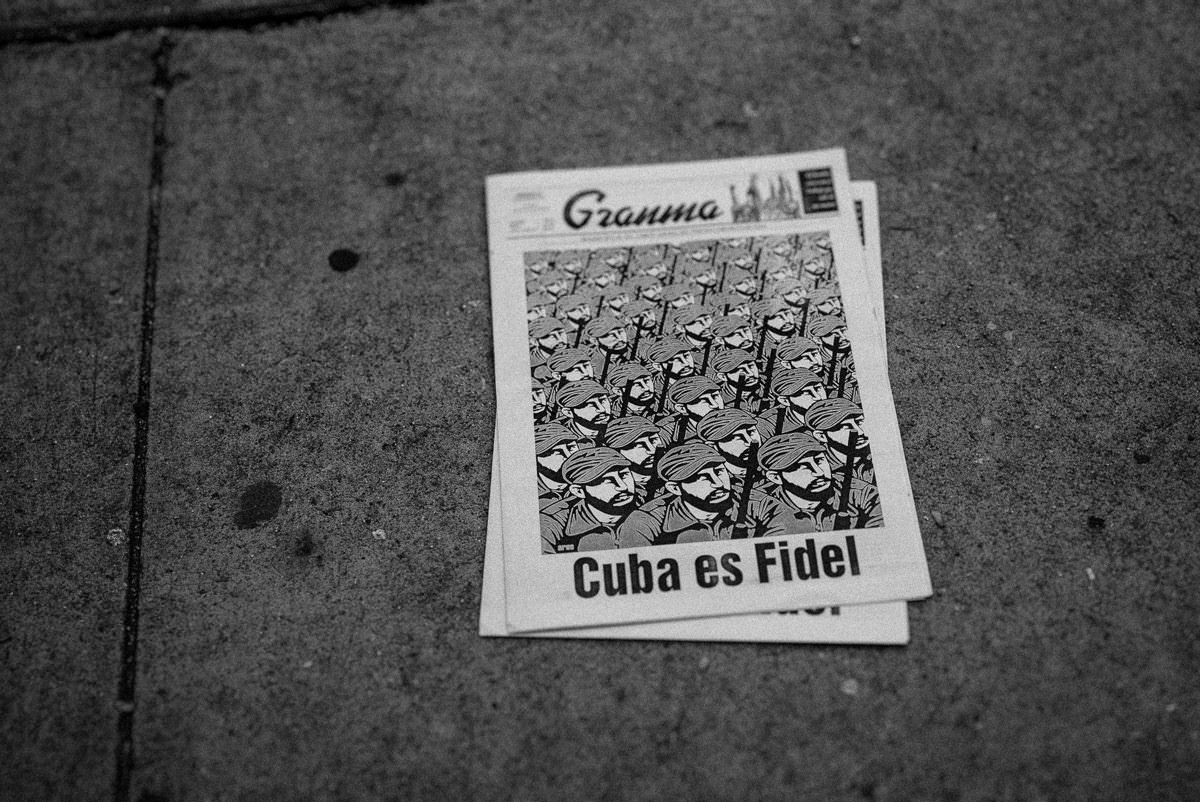
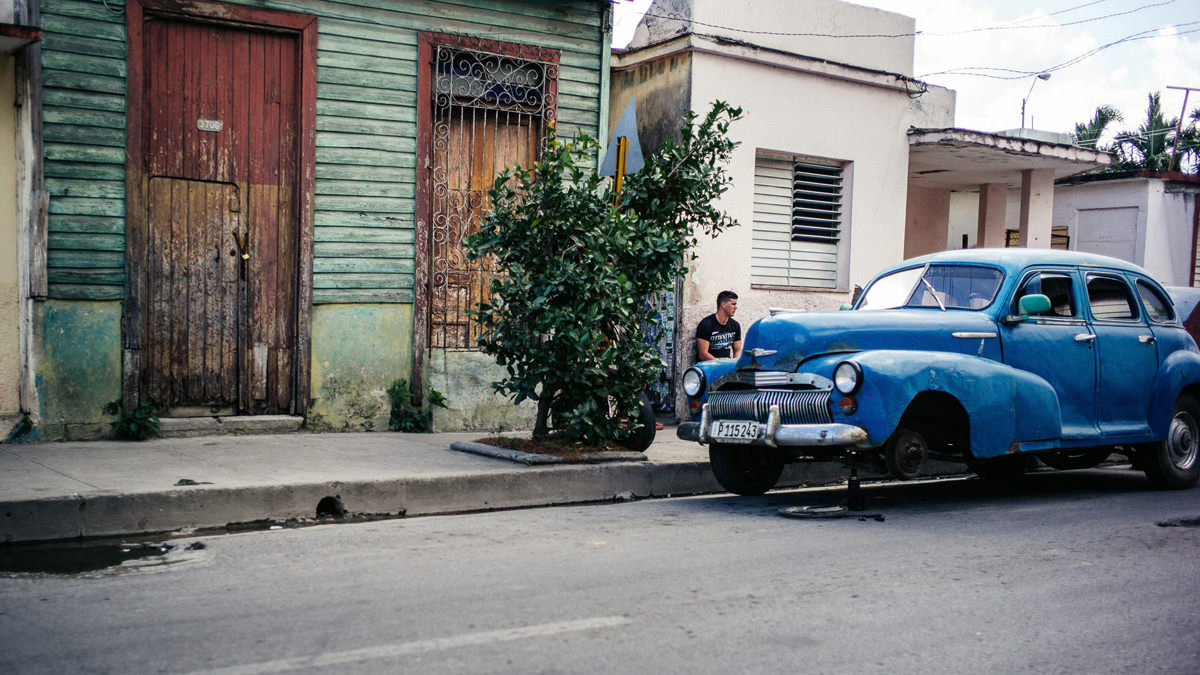
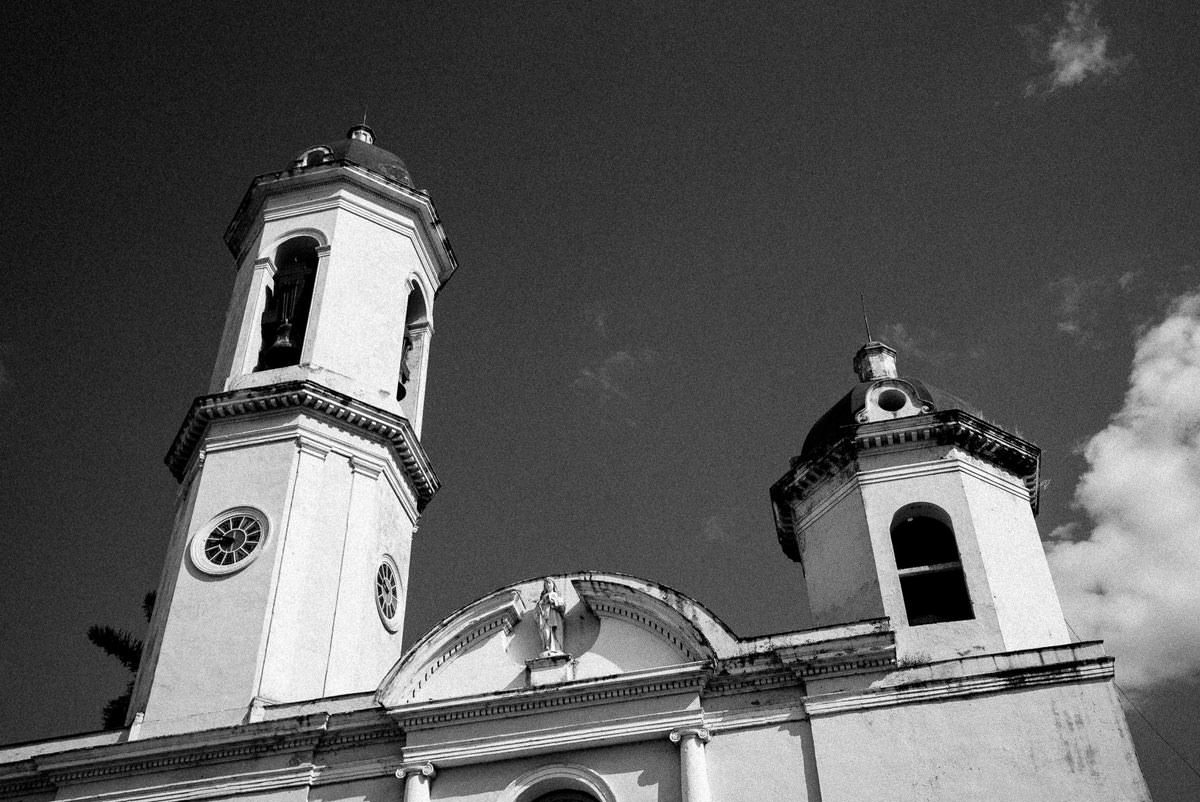
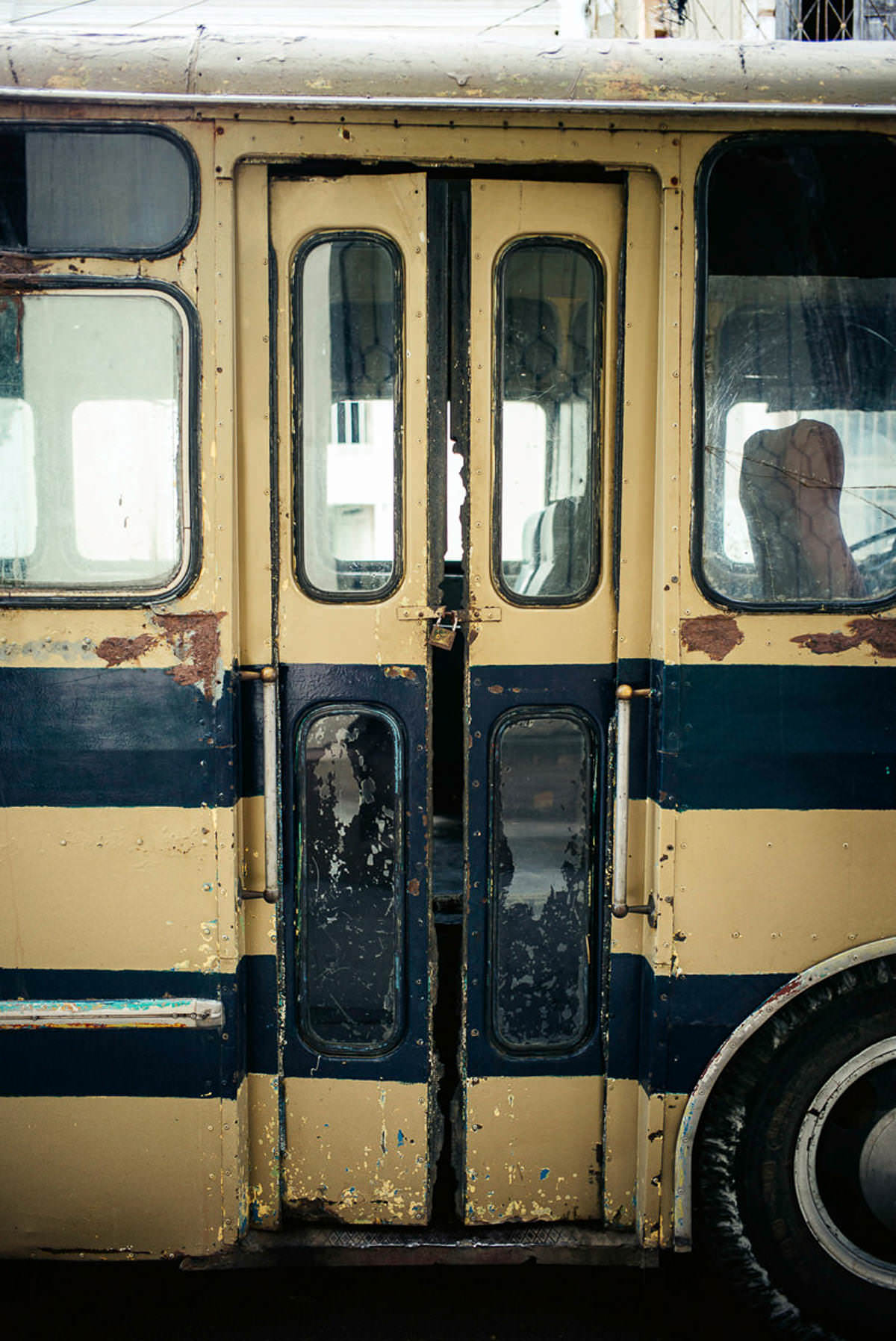
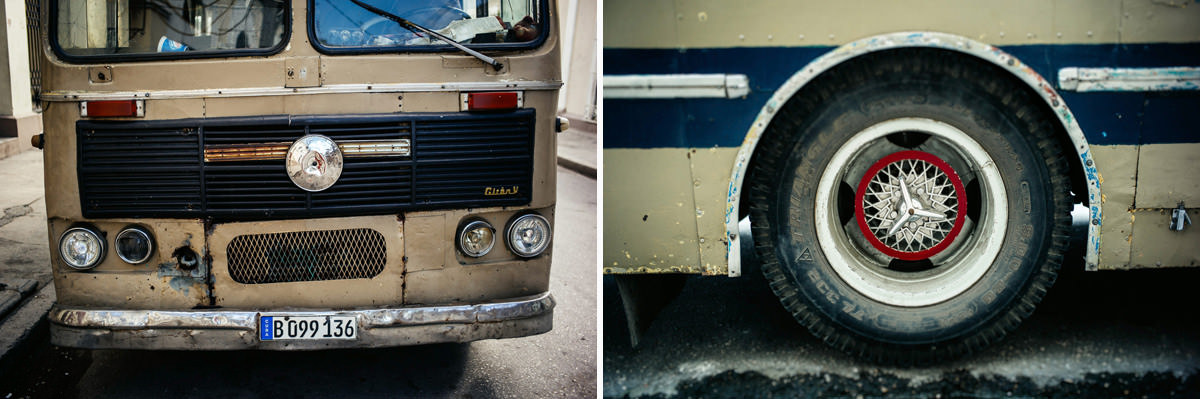
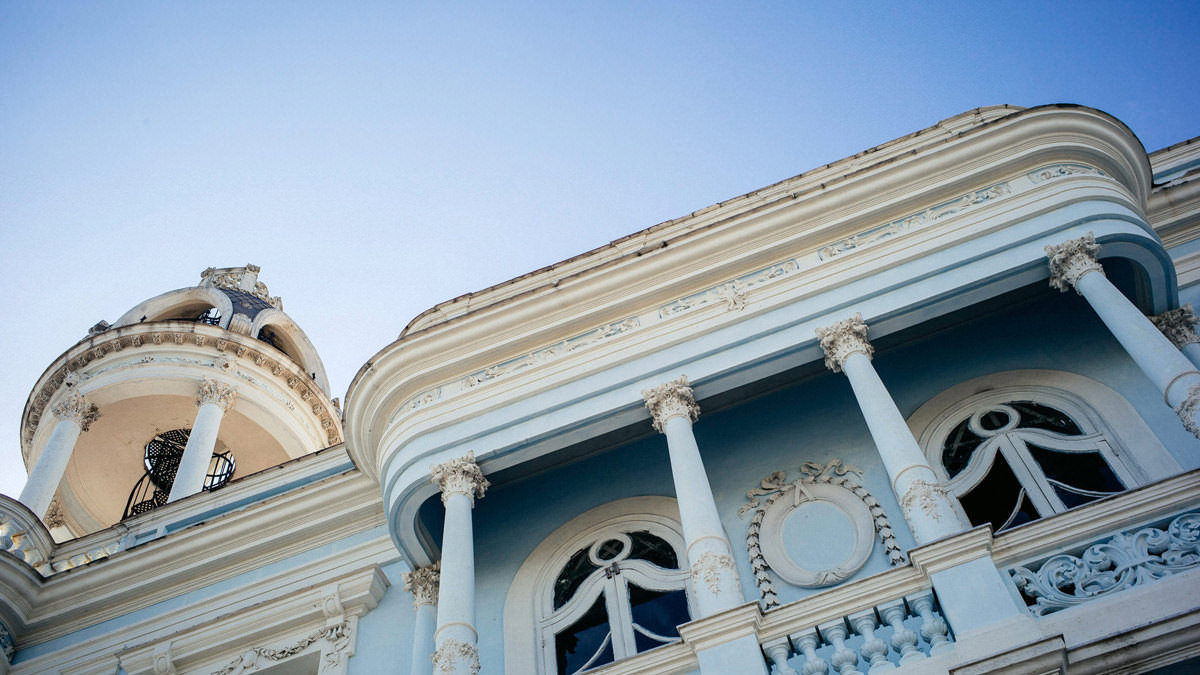
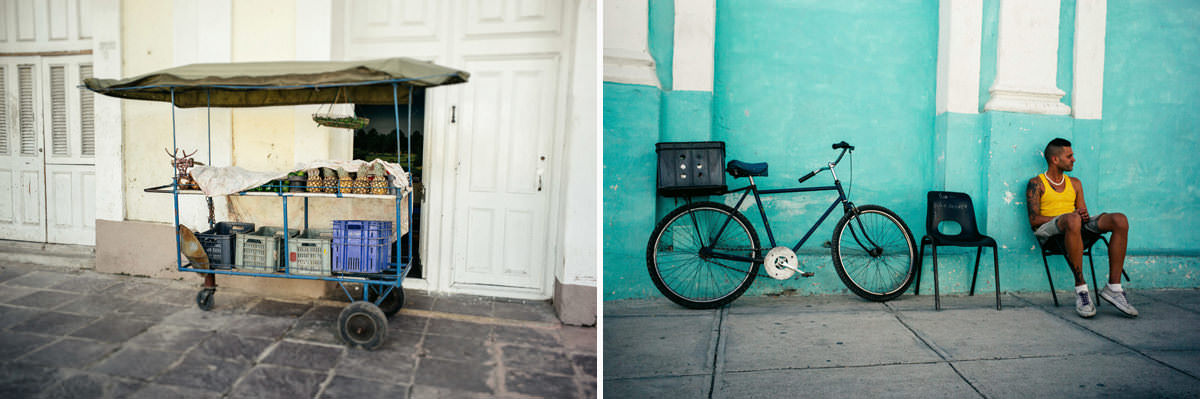
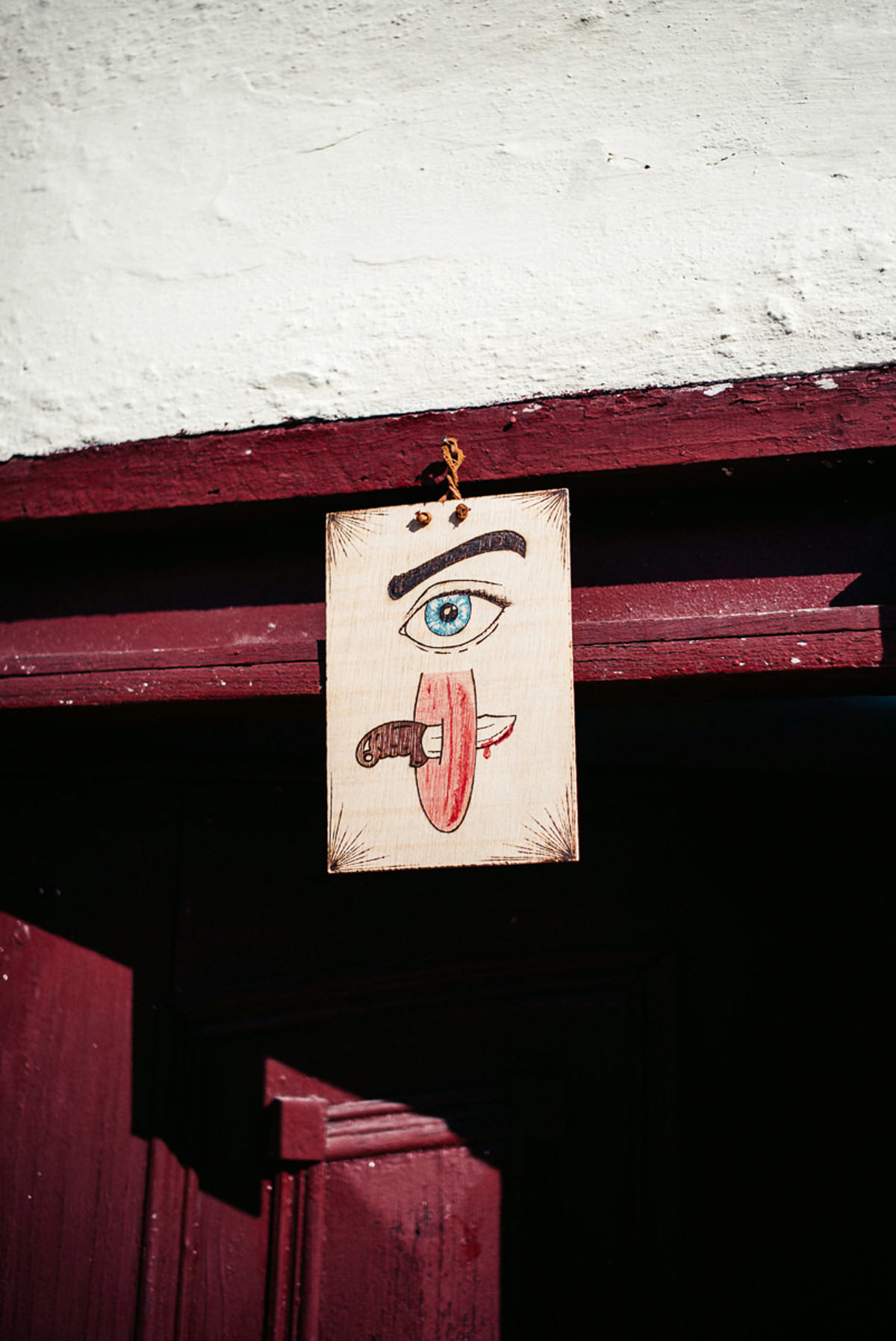
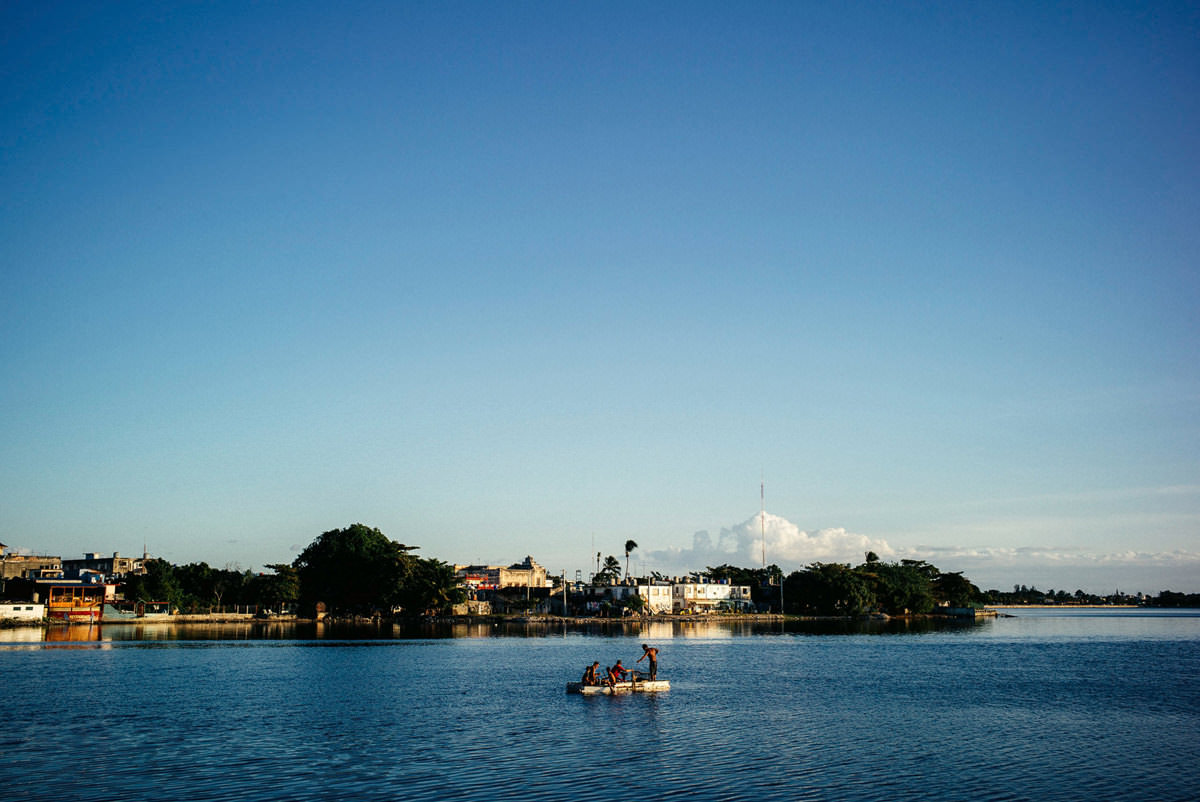
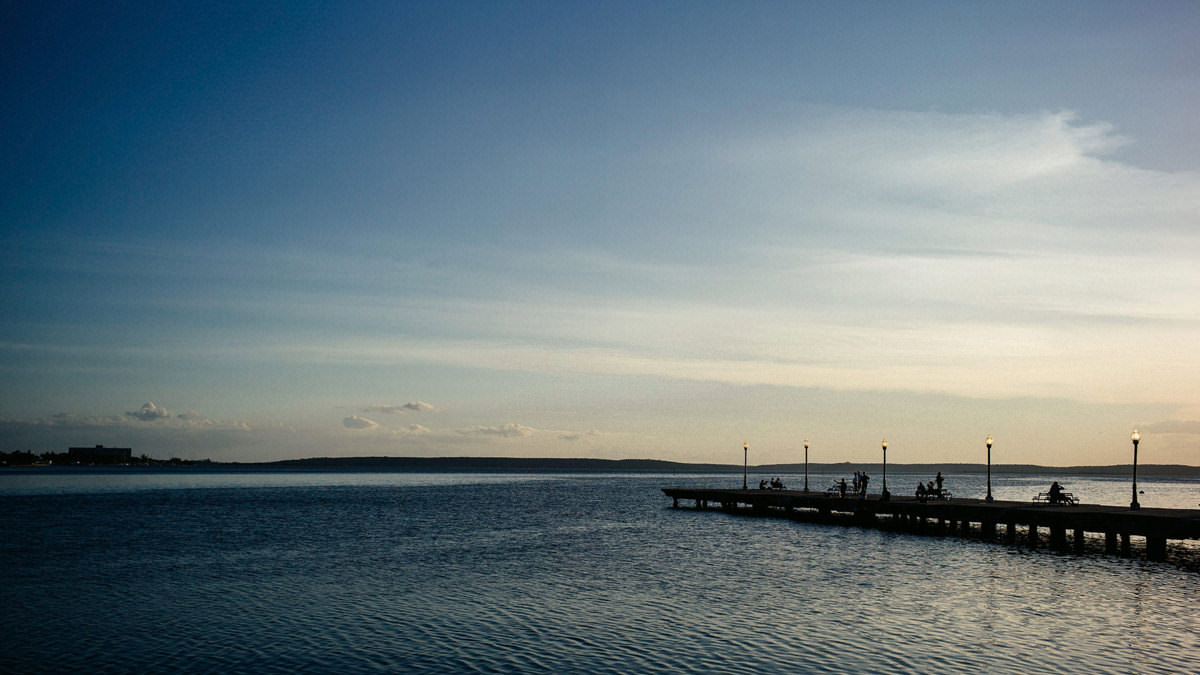
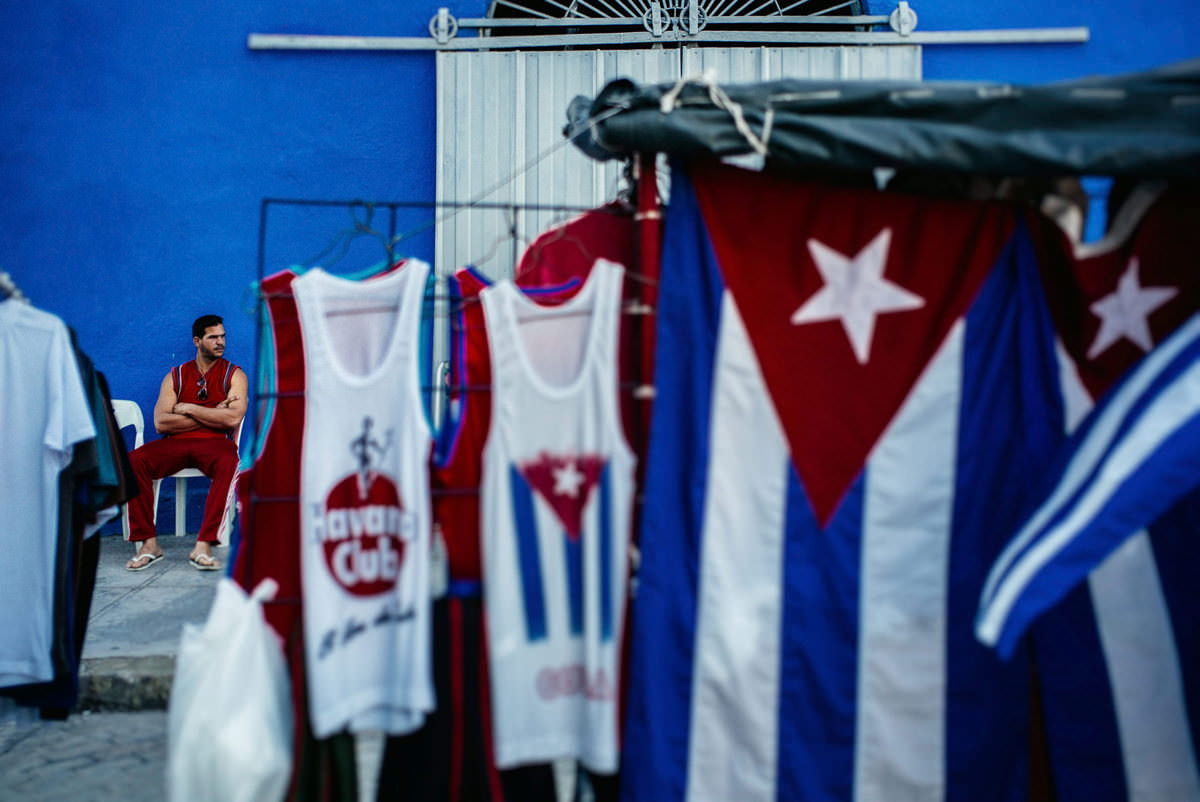
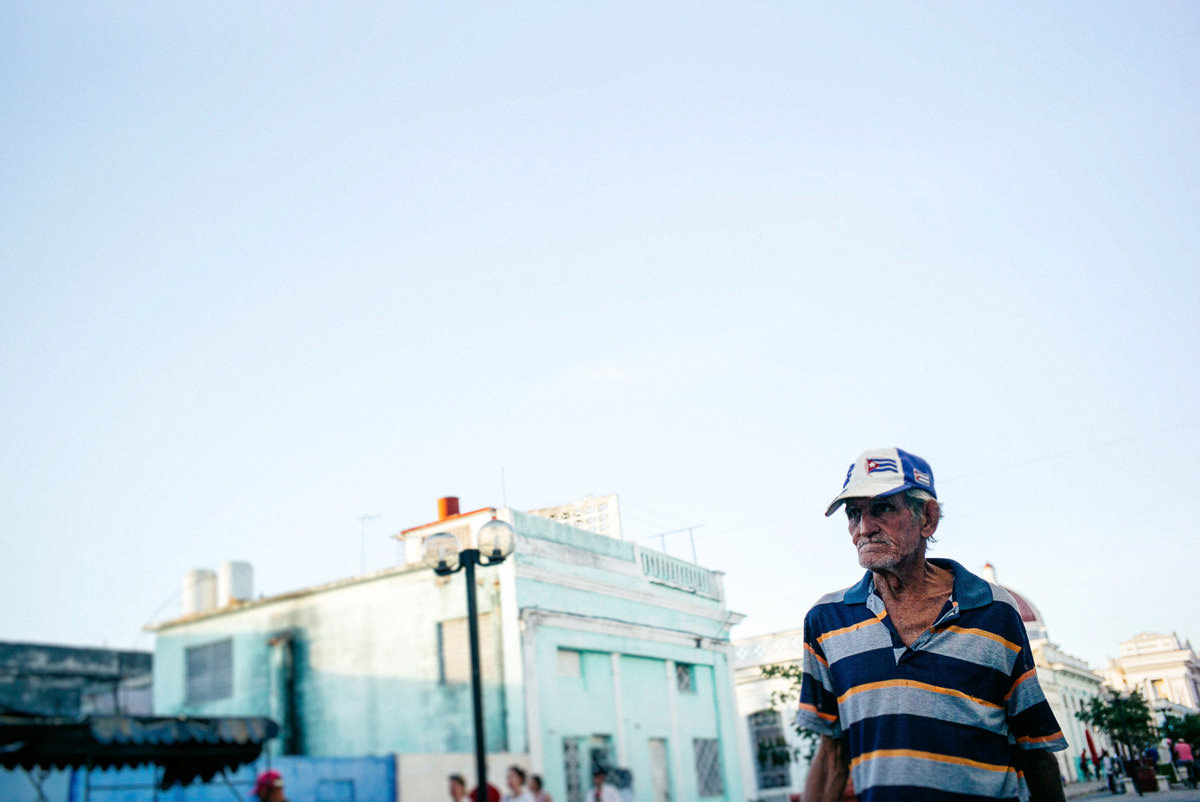
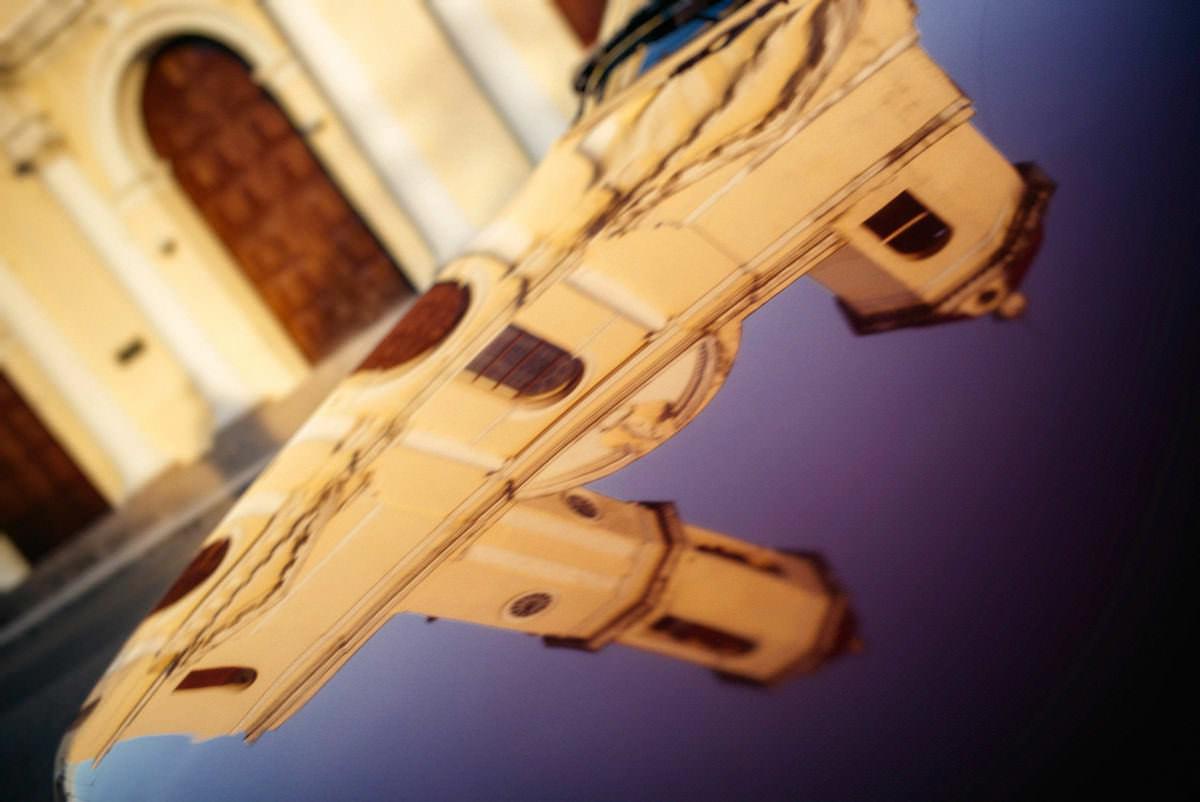
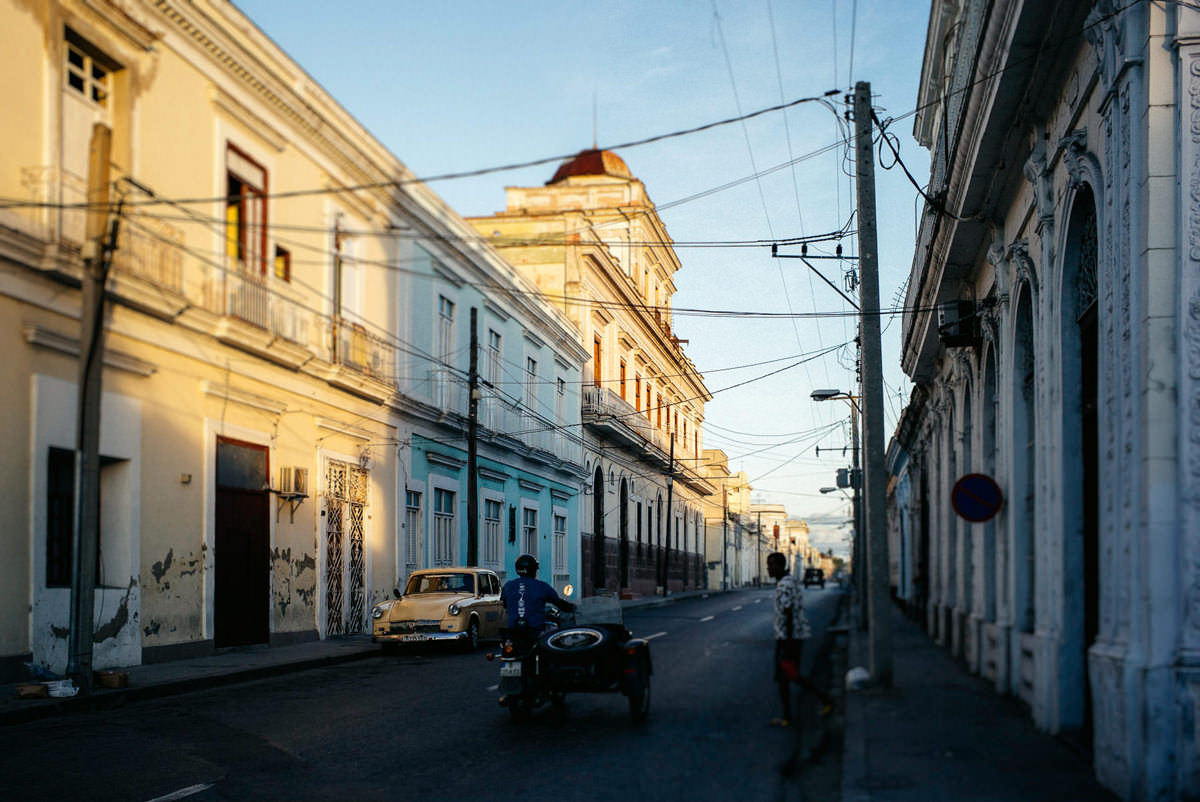
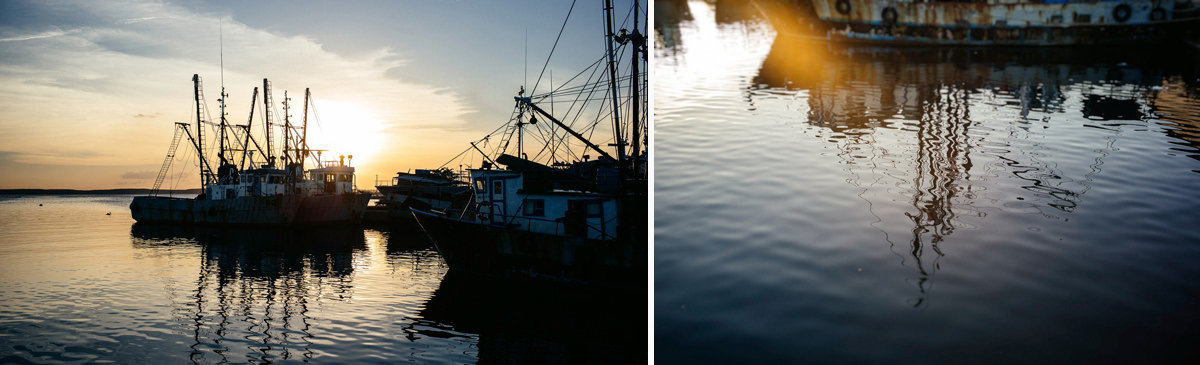
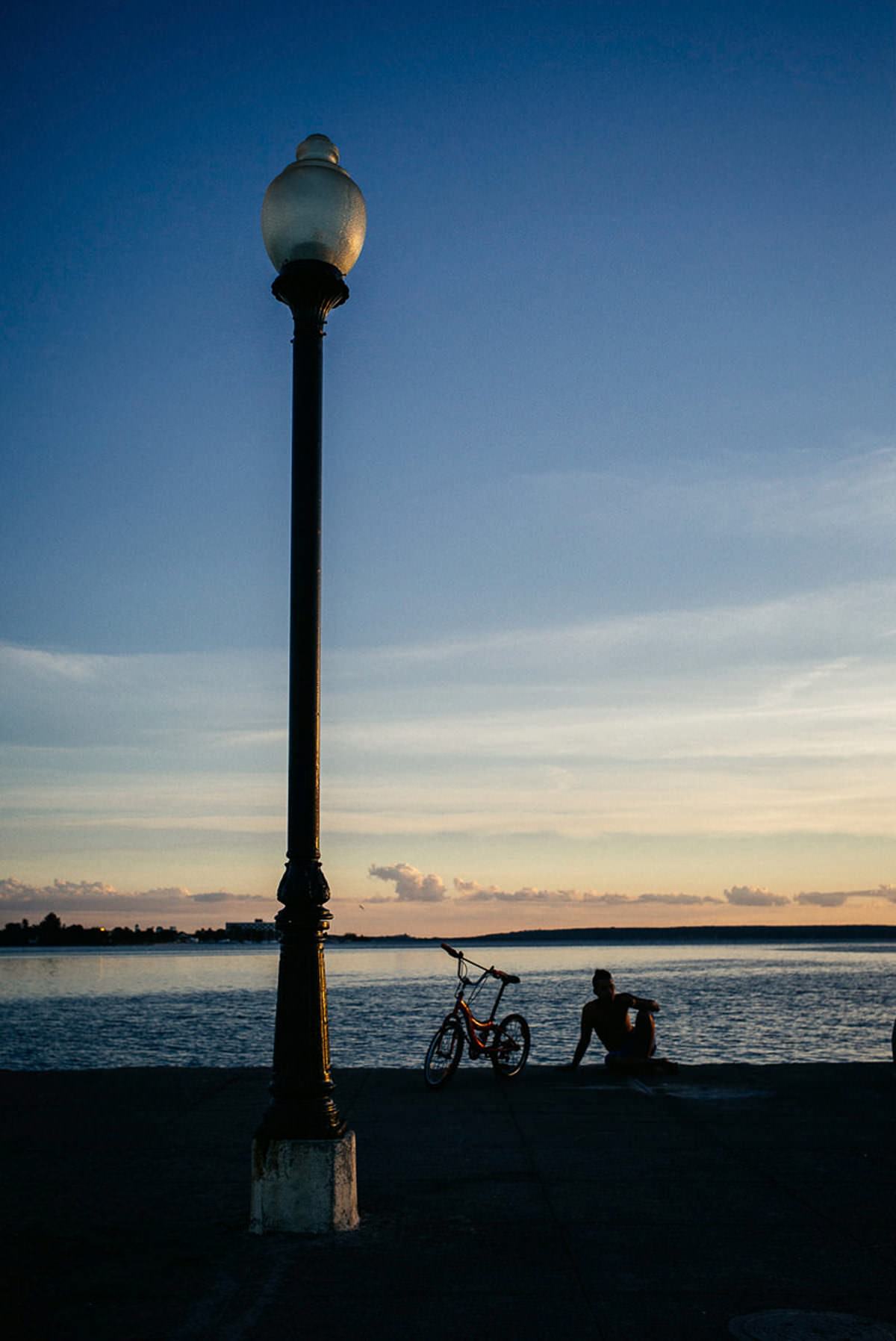
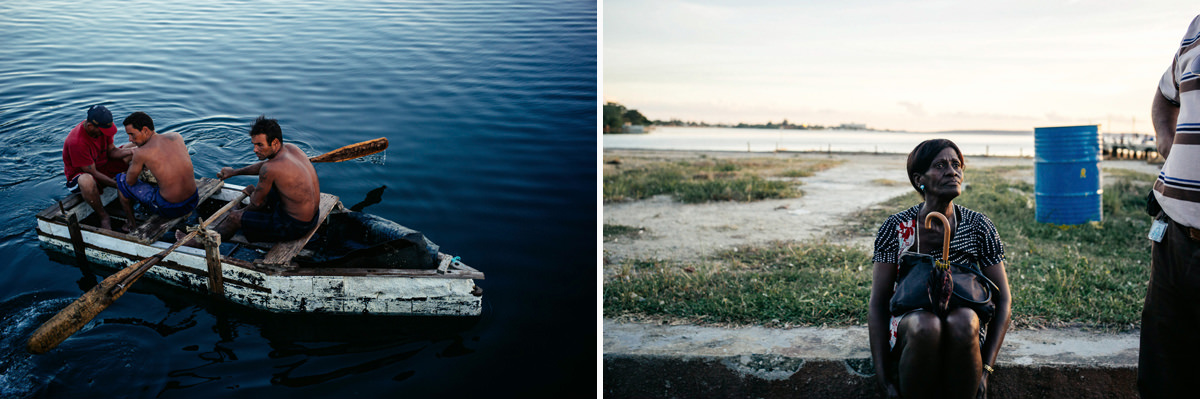
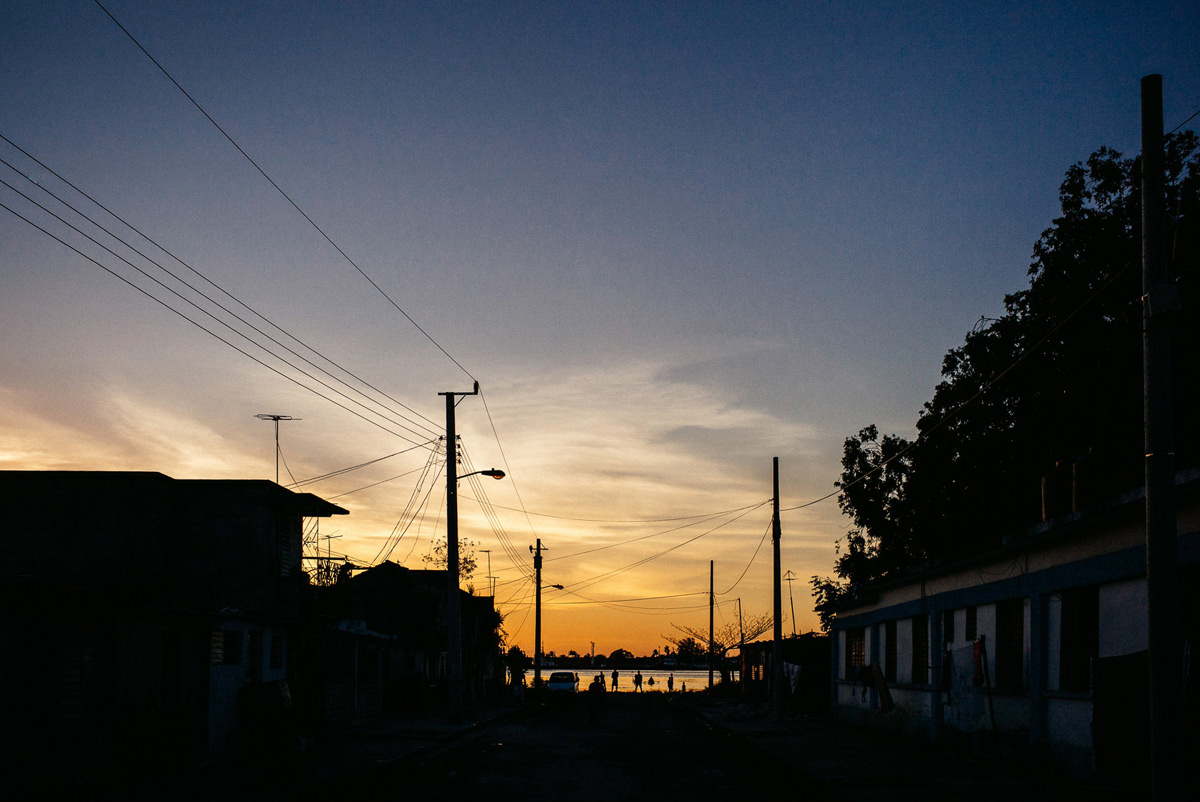
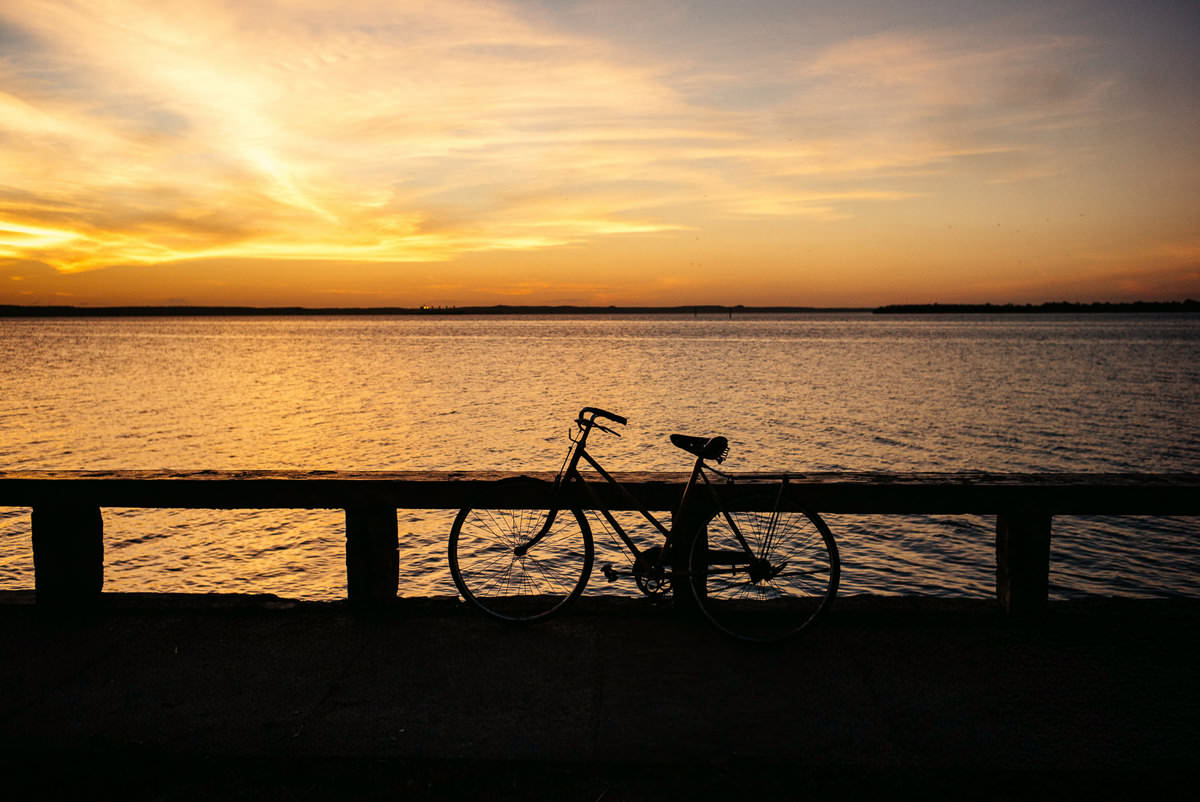
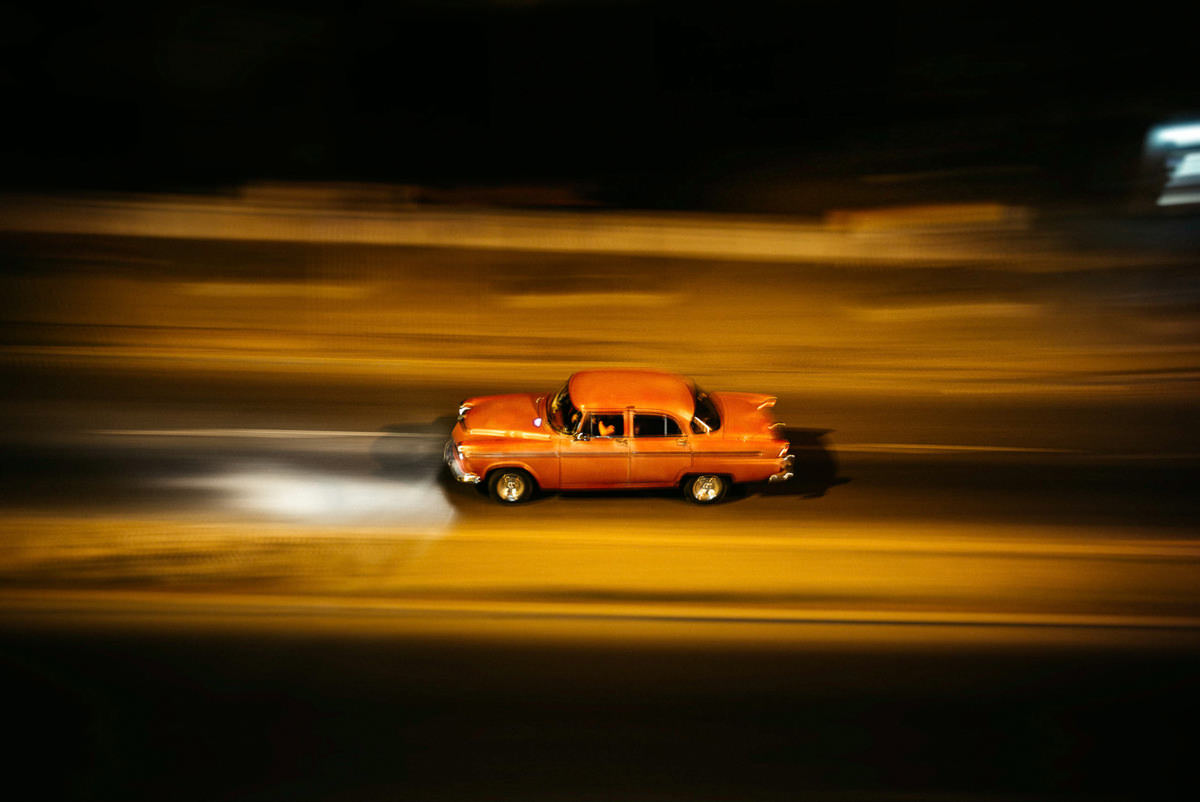
A wooden cage hangs in the shade above a sunlit concrete block.Hands on hips, a broad smile in front of rusty corrugated iron.From the hill north of Trinidad the view stretches over the rooftops to the sea.Left, children on the sandy ground; right, a boy with his kite.Wearing a white hat on a bay horse, a second rider following behind.Barefoot, a man saddles his horse, children and a bicycle beside him.A ruined church with two spires behind wooden scaffolding on the hill above Trinidad.Moustache, cap, striped polo shirt – a calm look into the camera.Left, bent over a boot; right, the cobbler shows off the sole.“La Casa d’ Football”: a handshake at the window, club crests on the wall.Left, “Feliz 90 cumpleaños Fidel” on a blue wall; right, three women on a step.A horse-drawn cart on the straight country road – on towards Cienfuegos.A copy of “Granma” on the pavement, headline “Cuba es Fidel”.A blue classic car in front of a green wooden house in Cienfuegos.Left, a red classic car in front of the church; right, the facade of the Teatro Tomás Terry.Bell tower and dome of Cienfuegos cathedral, in black and white.The cathedral with its red dome, a palm and a white taxi – Cienfuegos lies some 250 kilometres from Havana.Left, the stage with its ornate proscenium; right, the empty red rows of the Teatro Tomás Terry.Tiers and balconies seen from the stage – performances still take place here regularly.The ceiling painting with its figures, paint peeling at the edges – despite the holes in the ceiling.Left, a framed poster; right, the picture of a dancer – memories of great evenings.The locked folding door of a yellow-and-blue bus, paint peeling.Left, the front of the “Girón” bus; right, a wheel with a red hubcap.Pale blue columns, arched windows, a small dome – buildings from the days of the sugar trade.Left, a vendor’s cart with crates; right, a man beside his bicycle against a turquoise wall.A wooden sign with an eye, an eyebrow and a knife on a dark red door.Three people on a raft in the bay, the Cienfuegos shore behind.A long pier with lamps in the calm bay at dusk.Cuban flags and shirts on a stall, a man in red behind.Peaked cap and striped shirt in front of pastel houses.The cathedral, reflected and distorted in a curved surface.A tricycle taxi and a beige classic car beneath a web of cables.Left, fishing boats in the evening light; right, their distorted reflection.A lamp post on the shore, two people and a bicycle by the sea behind it.Left, three men in a rowing boat; right, a woman with an umbrella on the shore.With a bicycle in front of a whitewashed house with barred windows.Evening light over the street, a classic car silhouetted between houses and cables.A bicycle leans against the railing, the bay of Cienfuegos glowing behind it.An orange classic car sweeps through the night, its lights blurring.