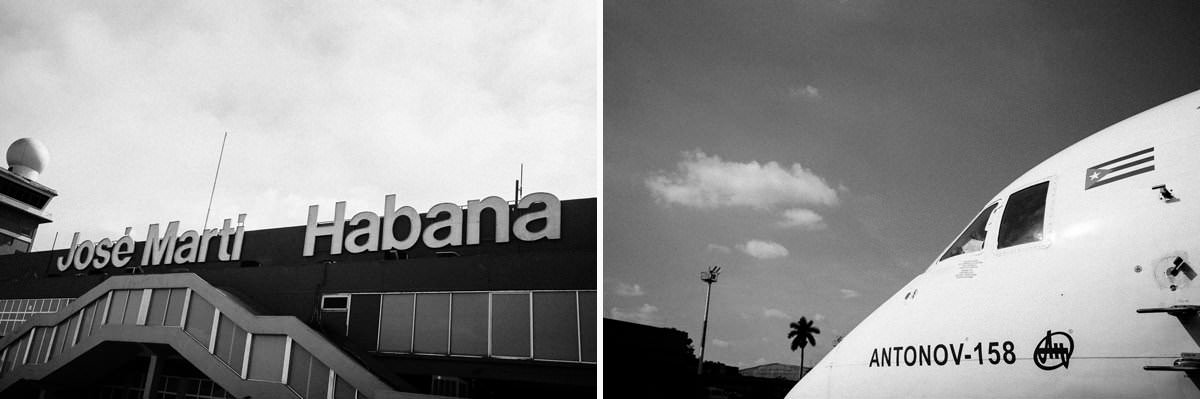
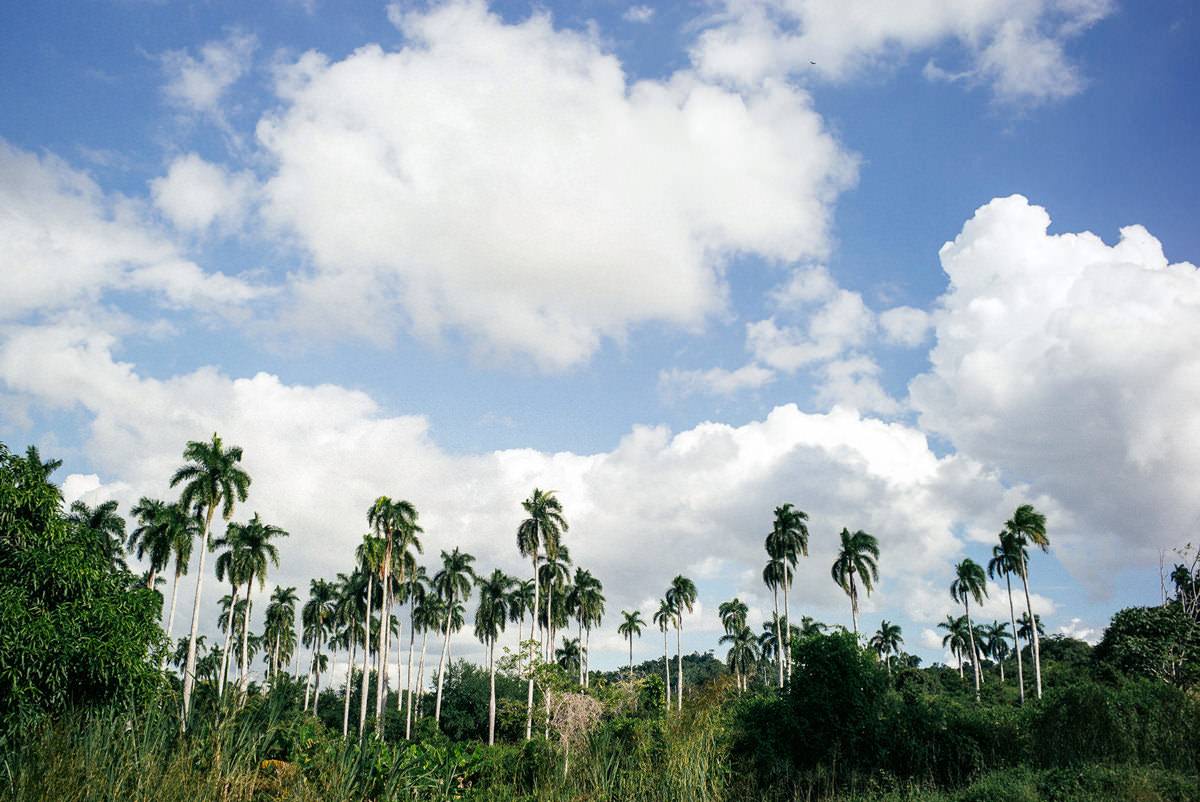
After three days in Havana our road trip from east to west finally began. We had booked the rental car six weeks before the holiday, which unfortunately was far too late for Cuba: supposedly there was only a single small car left, and that was in Holguín – none at all in Havana or Santiago de Cuba. So, after replanning, we first flew to Holguín and then drove three hours to Santiago de Cuba. It was my first flight in an Antonov – funny and not bad at all; the safety instructions came in Spanish and Russian. The landscape between Holguín and Santiago was beautifully rural, with palm forests and sugar cane plantations, and the roads, as expected, full of treacherous potholes. There wasn’t much time for stops, and we were glad to reach Santiago before sunset. Santiago de Cuba, around 870 kilometres south-east of Havana, is the country’s second-largest city; Diego Velázquez founded it on 25 July 1515, and it was from here that Hernán Cortés set out for Mexico in 1518.
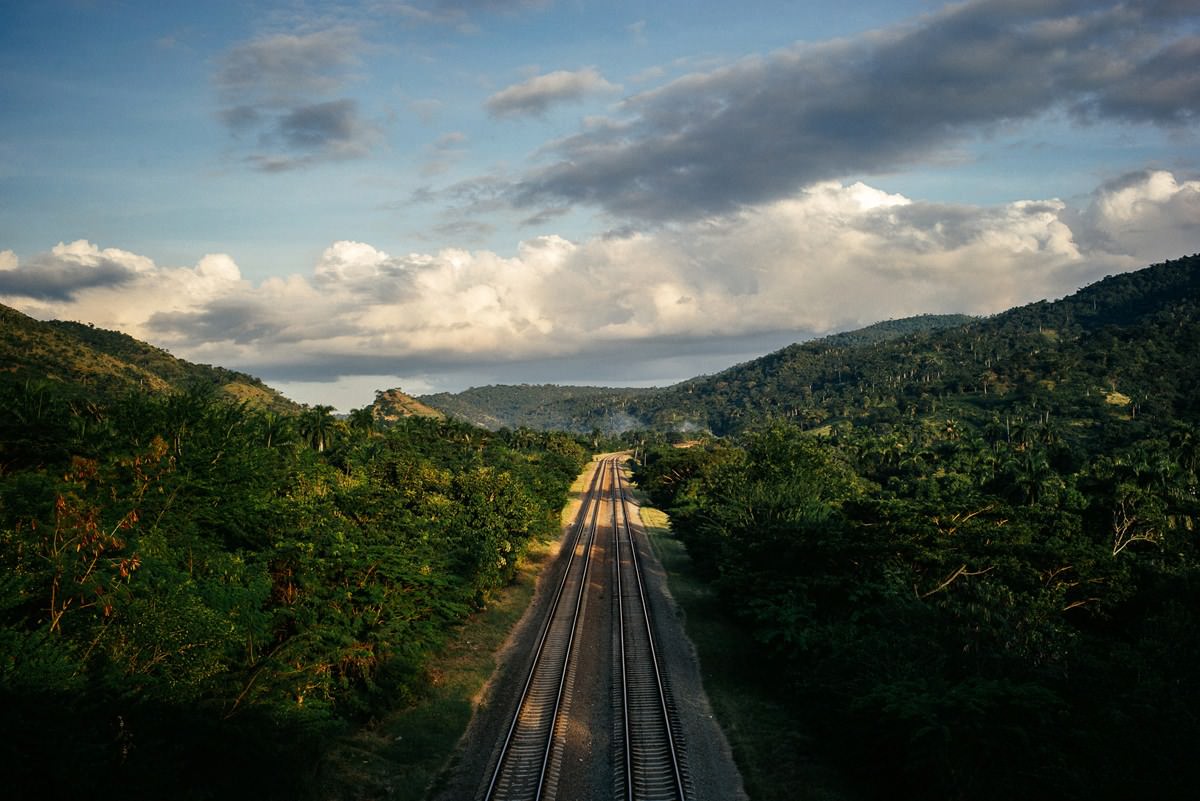
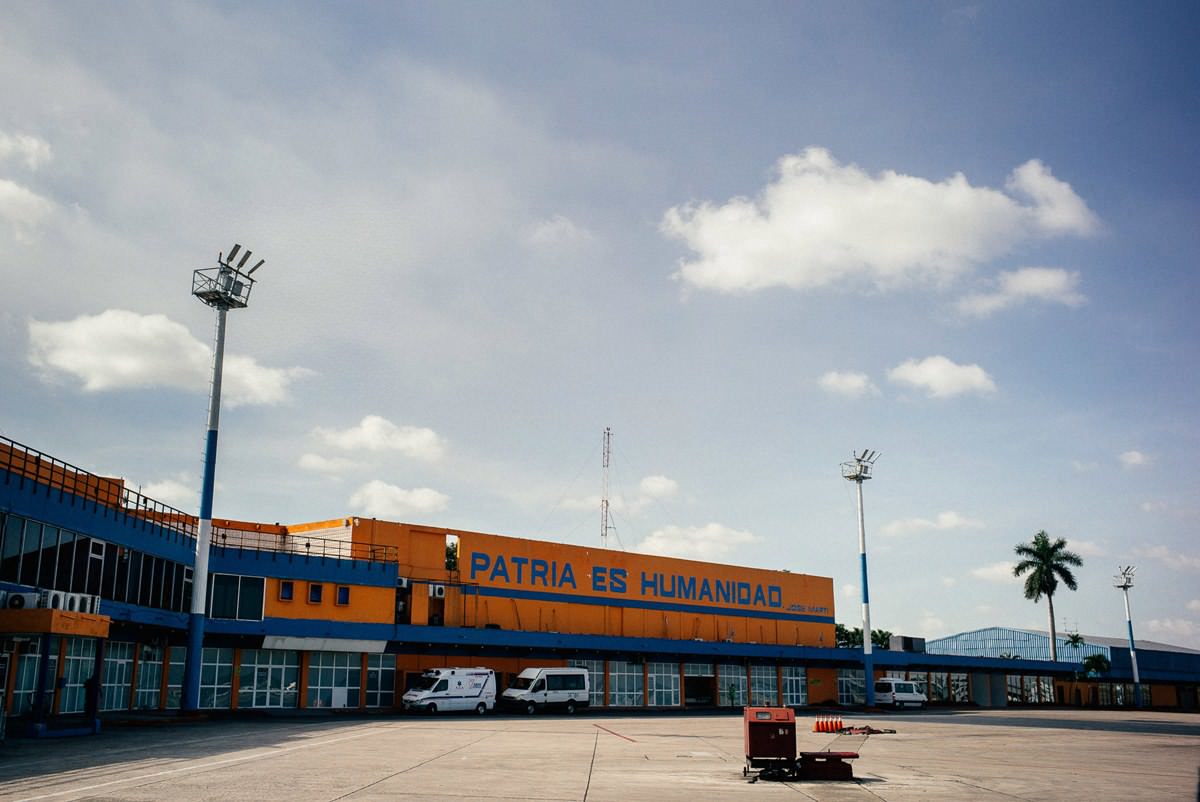
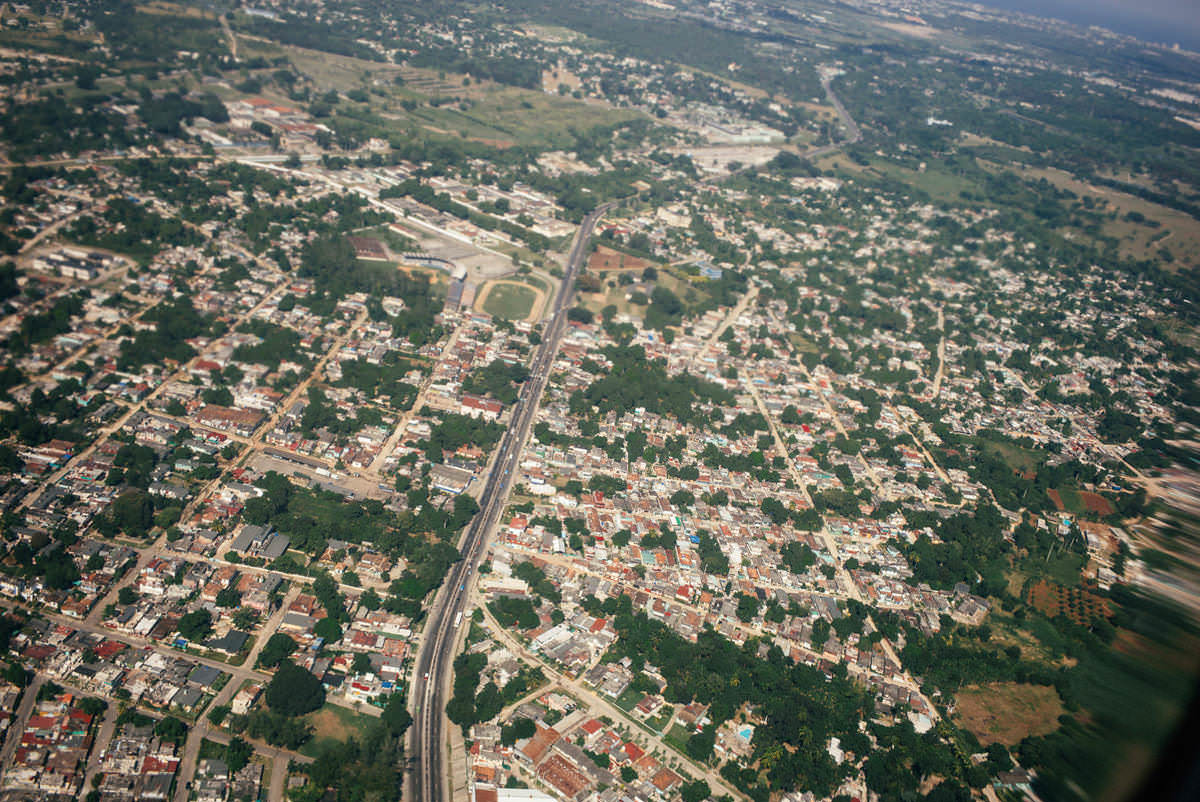
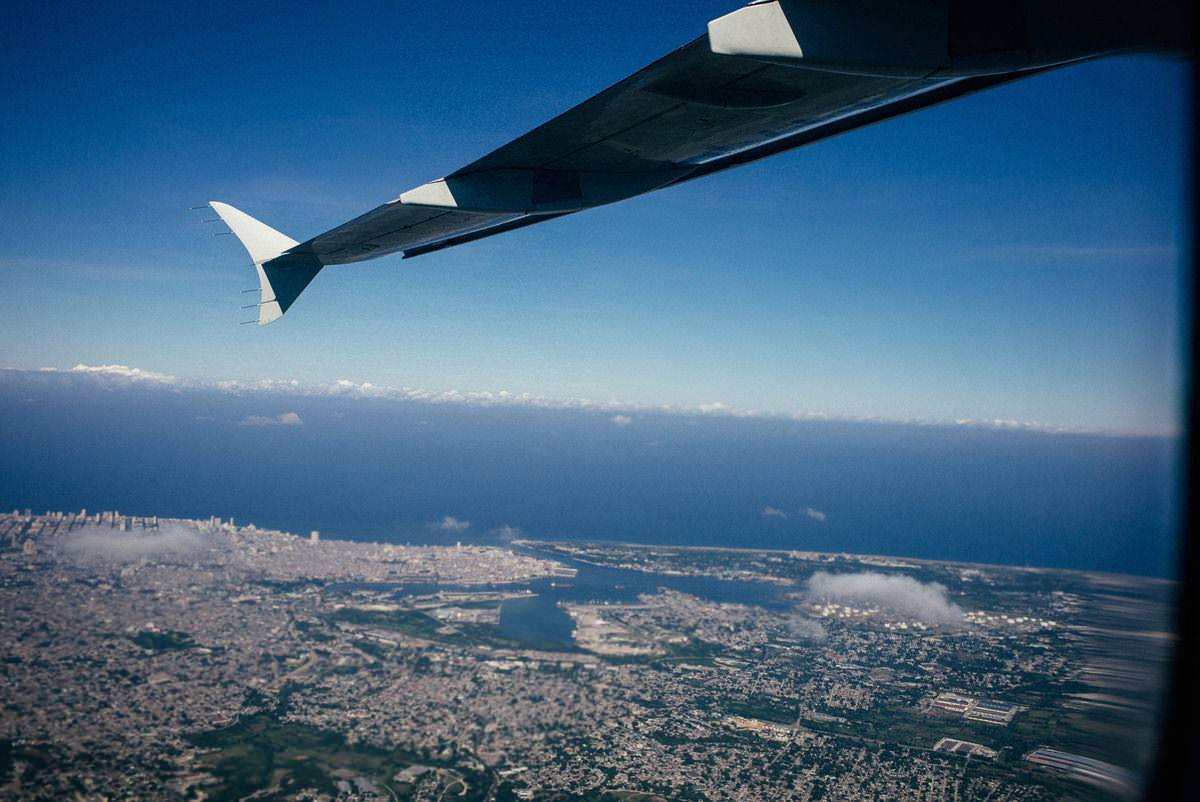
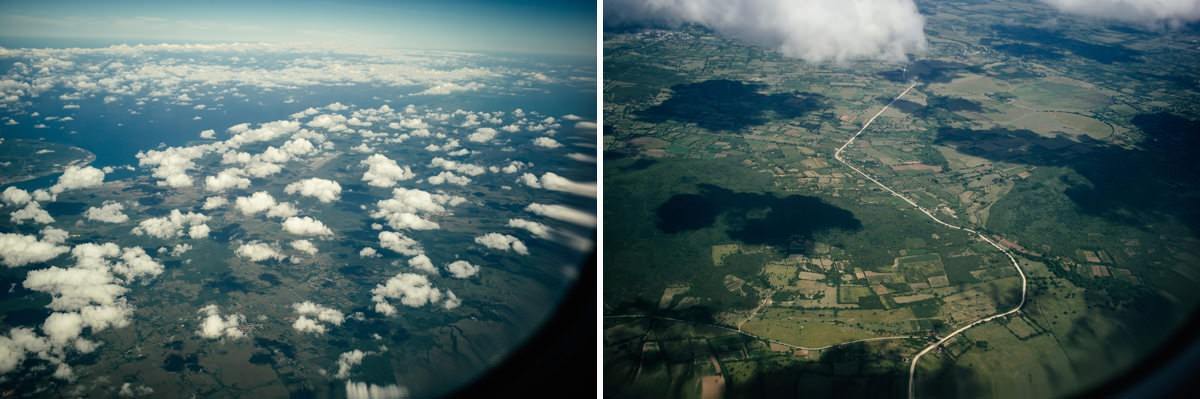
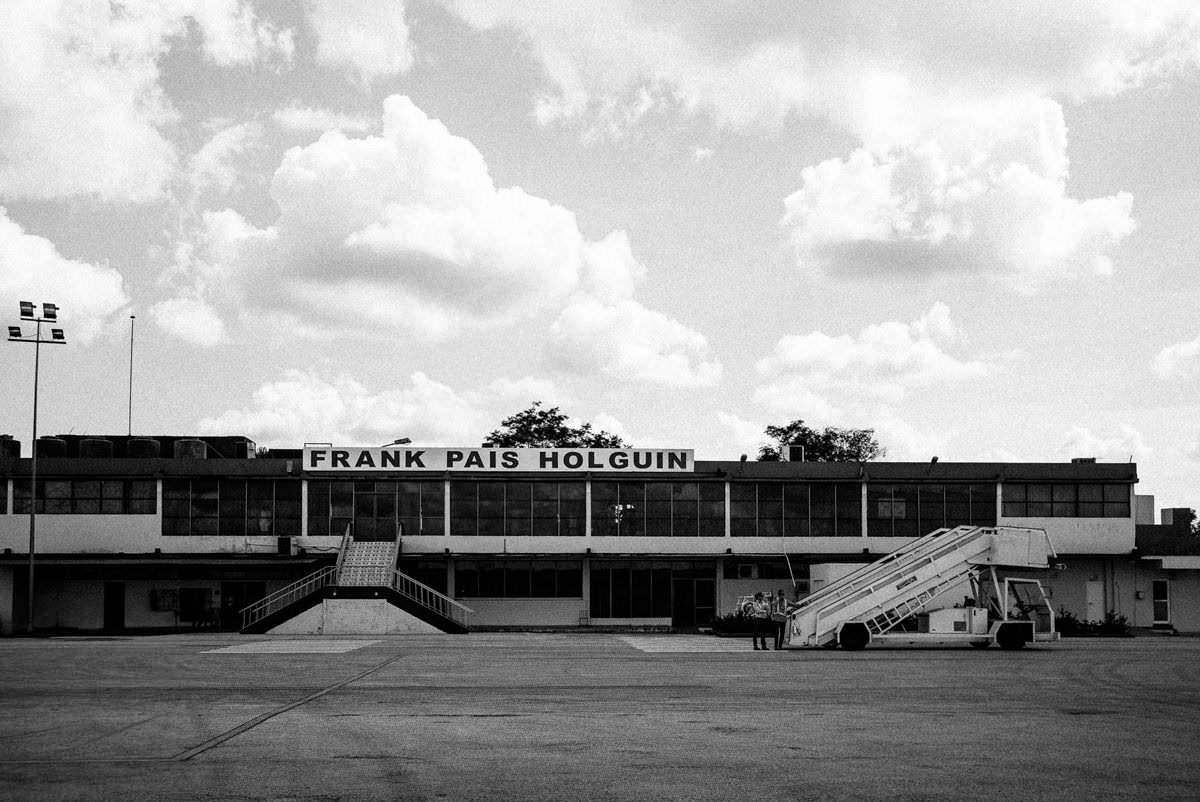
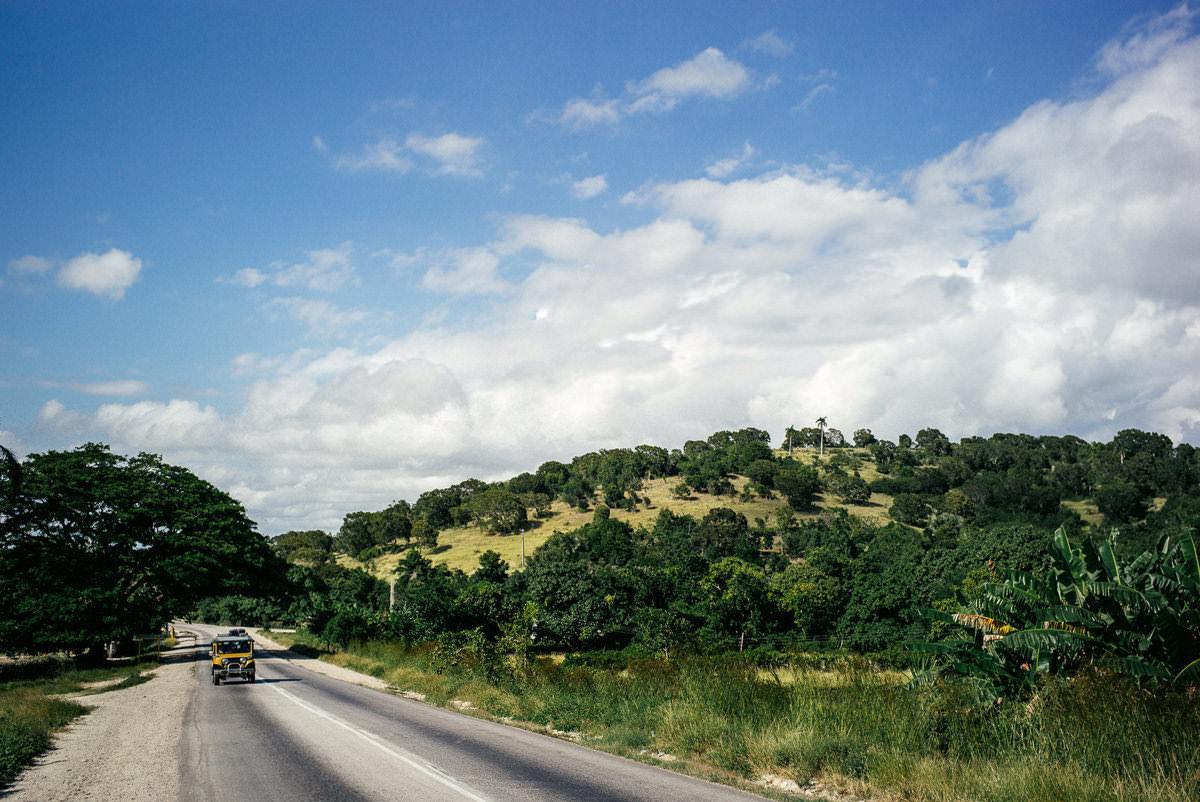
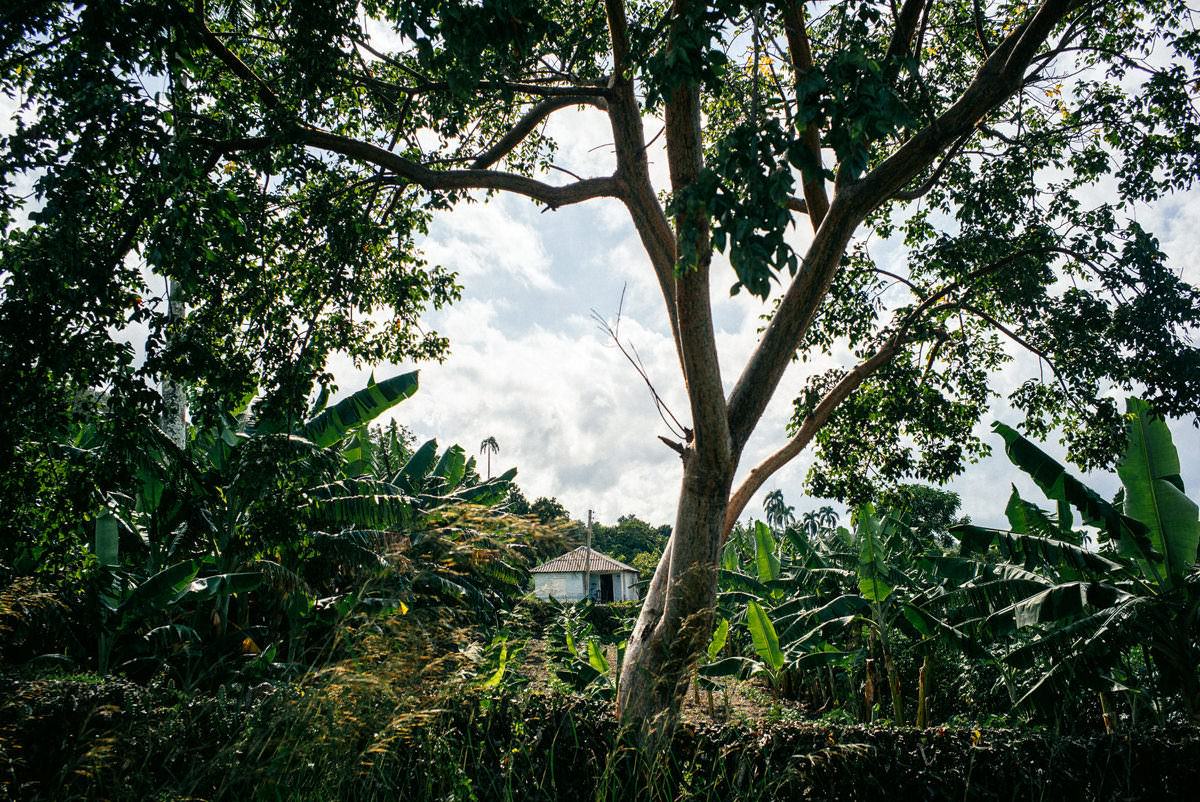
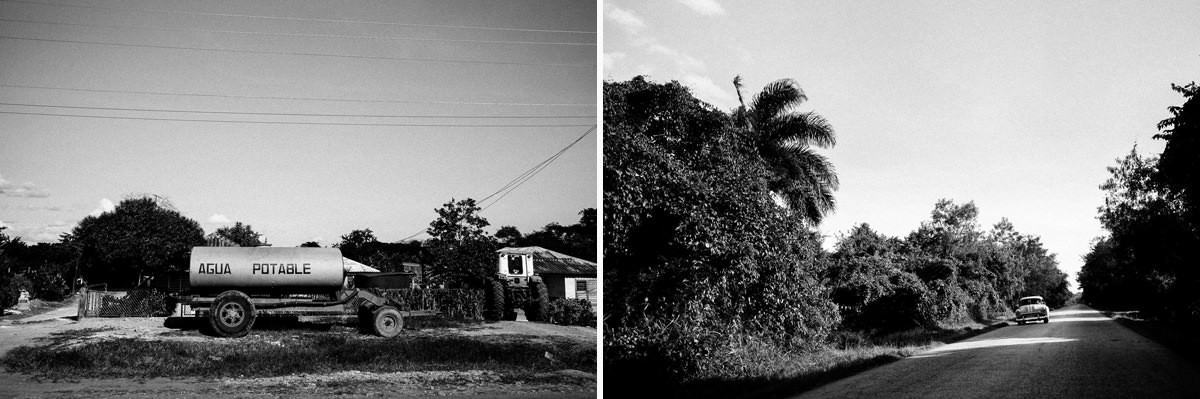
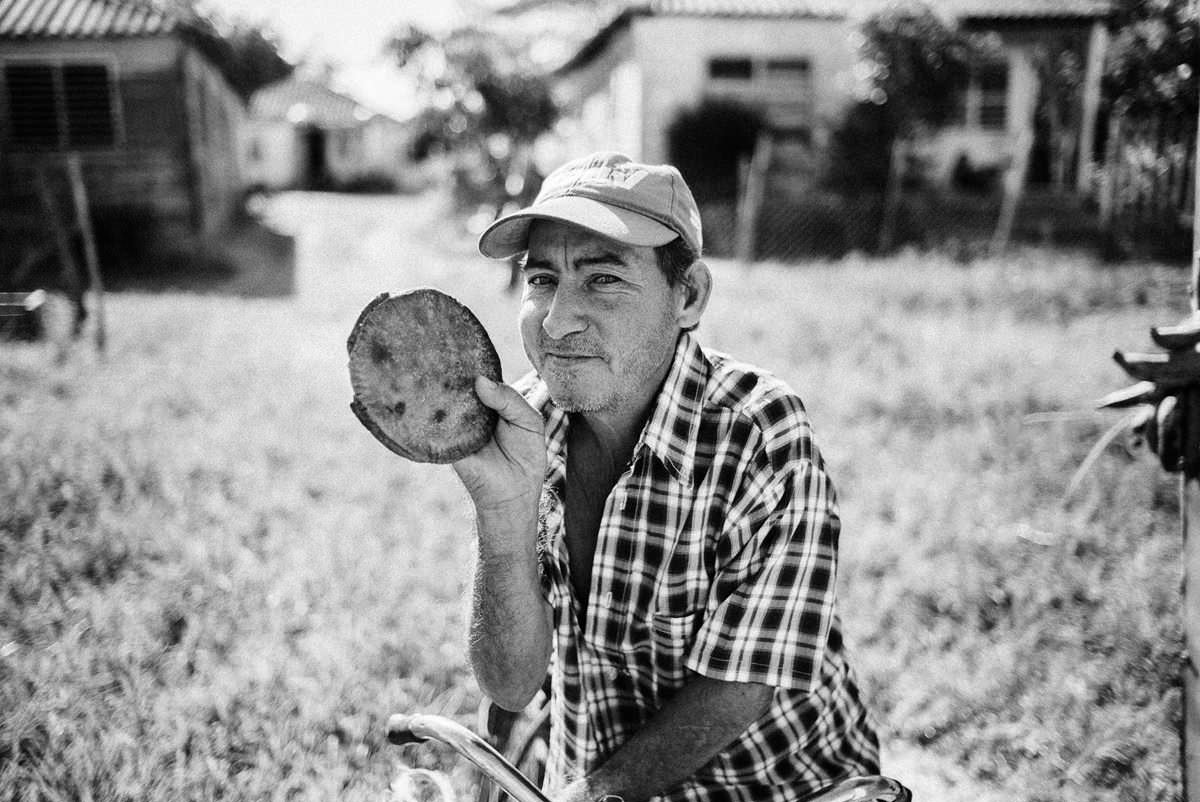
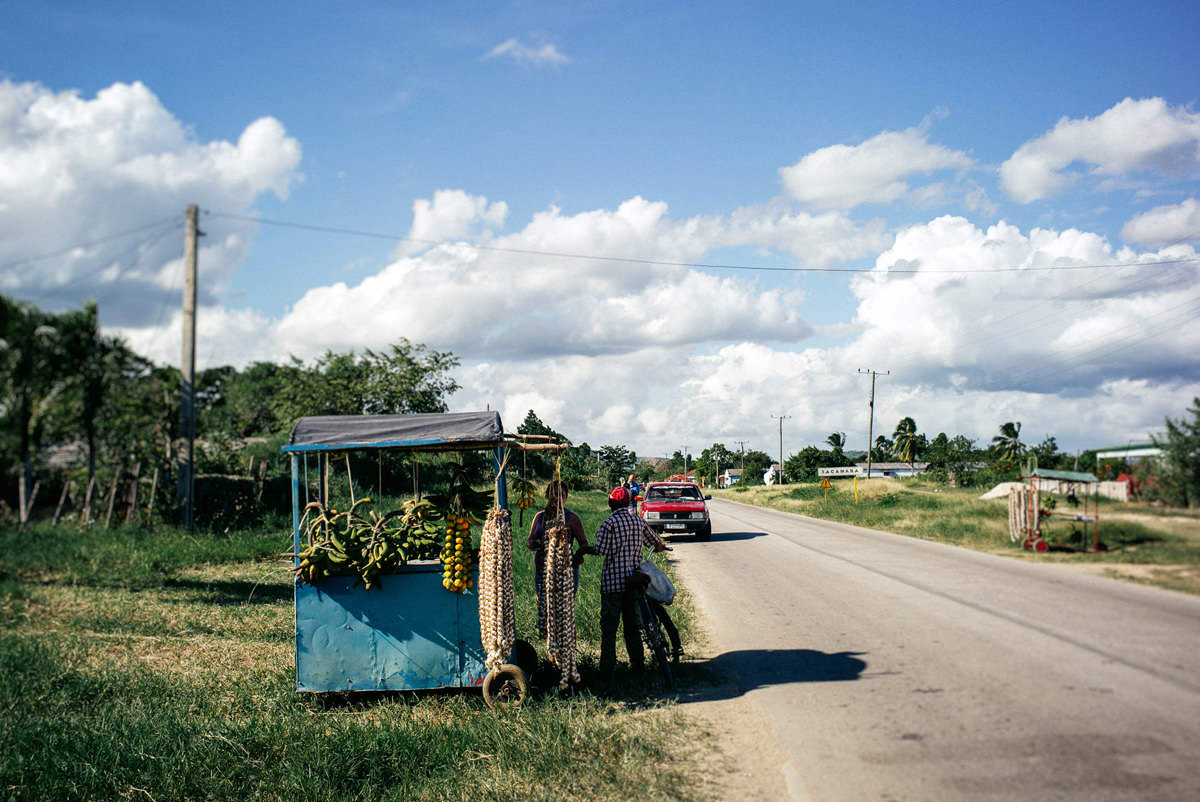
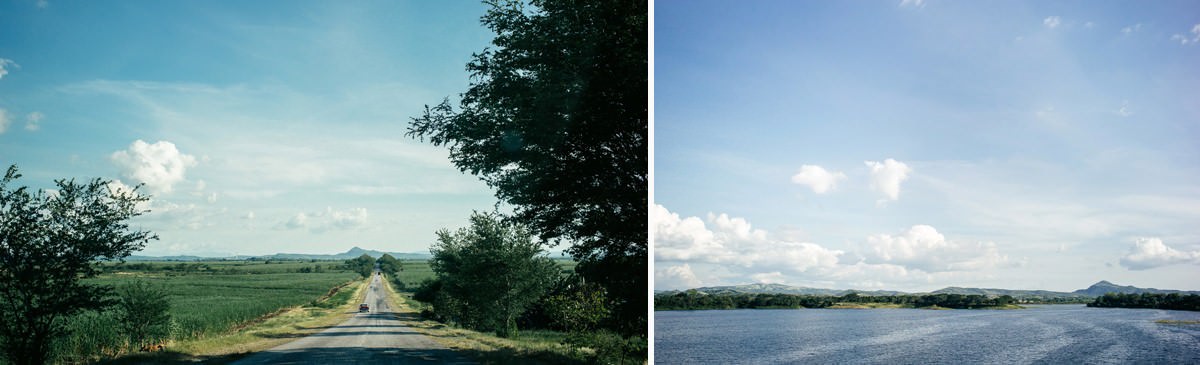
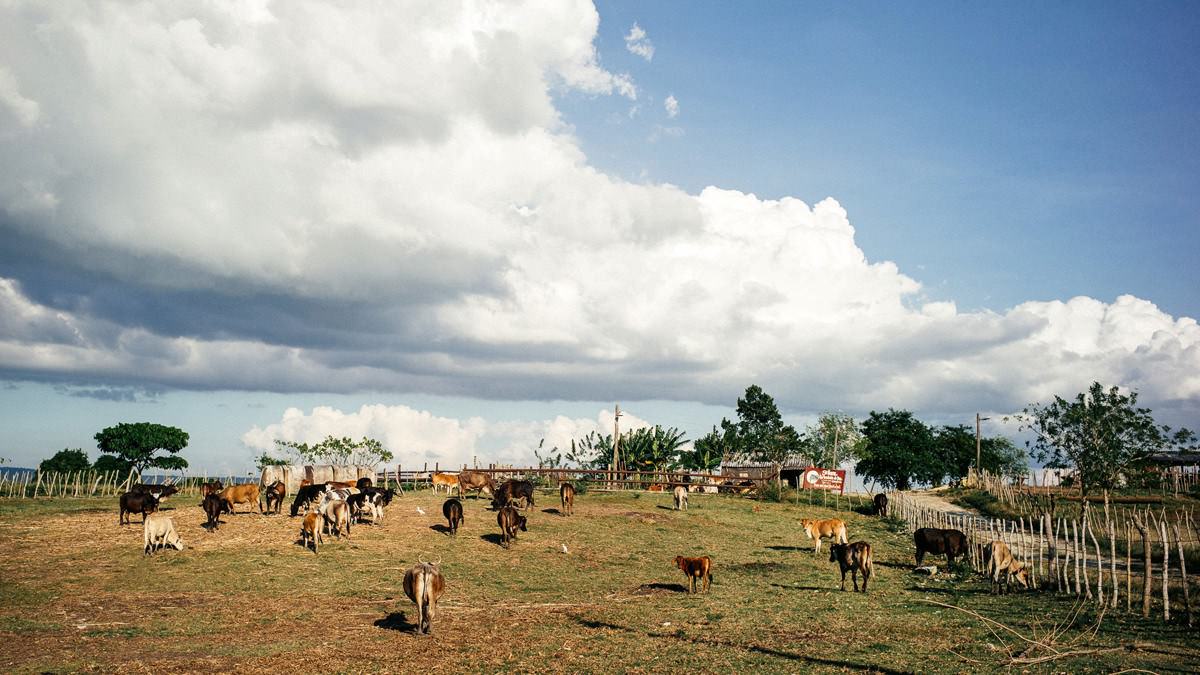
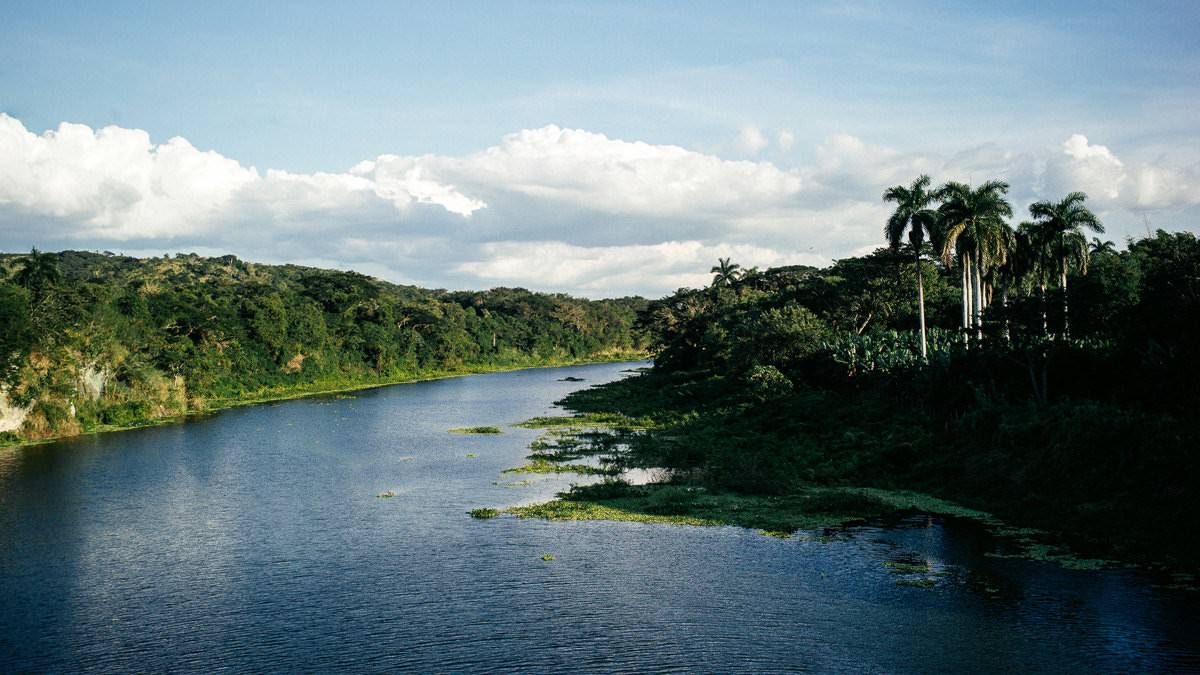
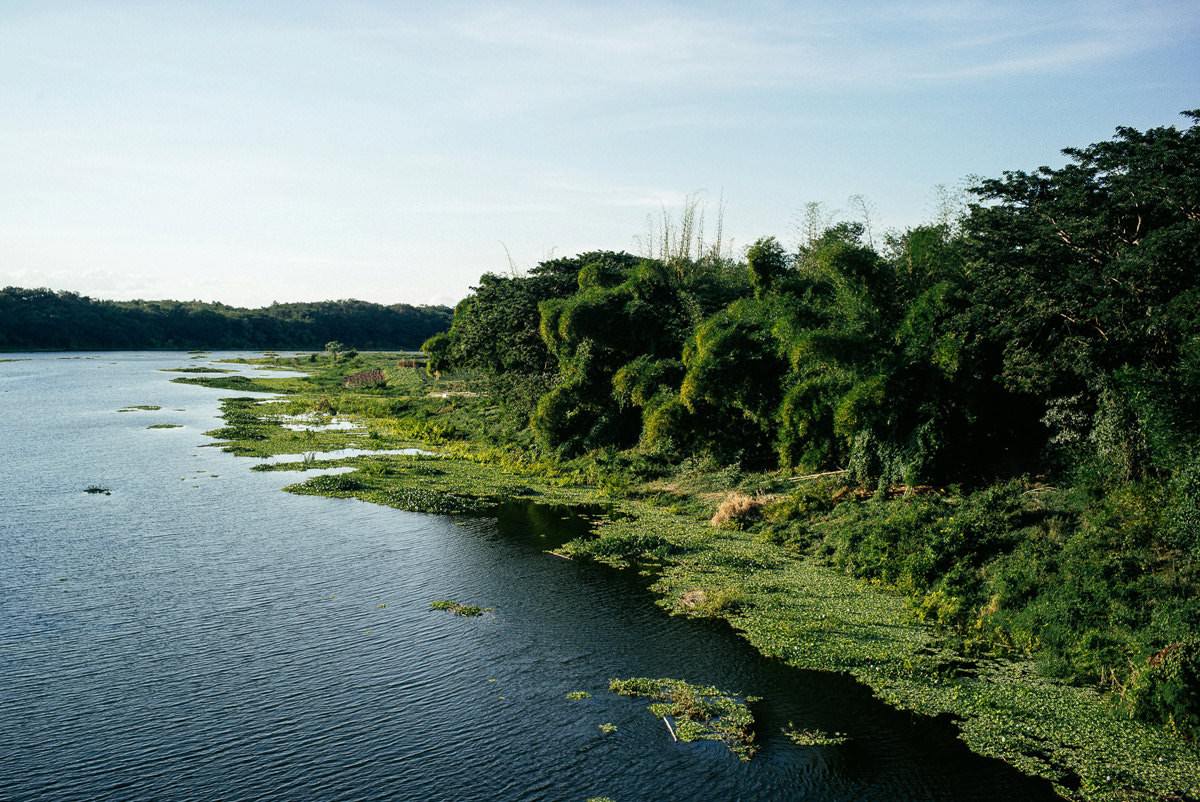
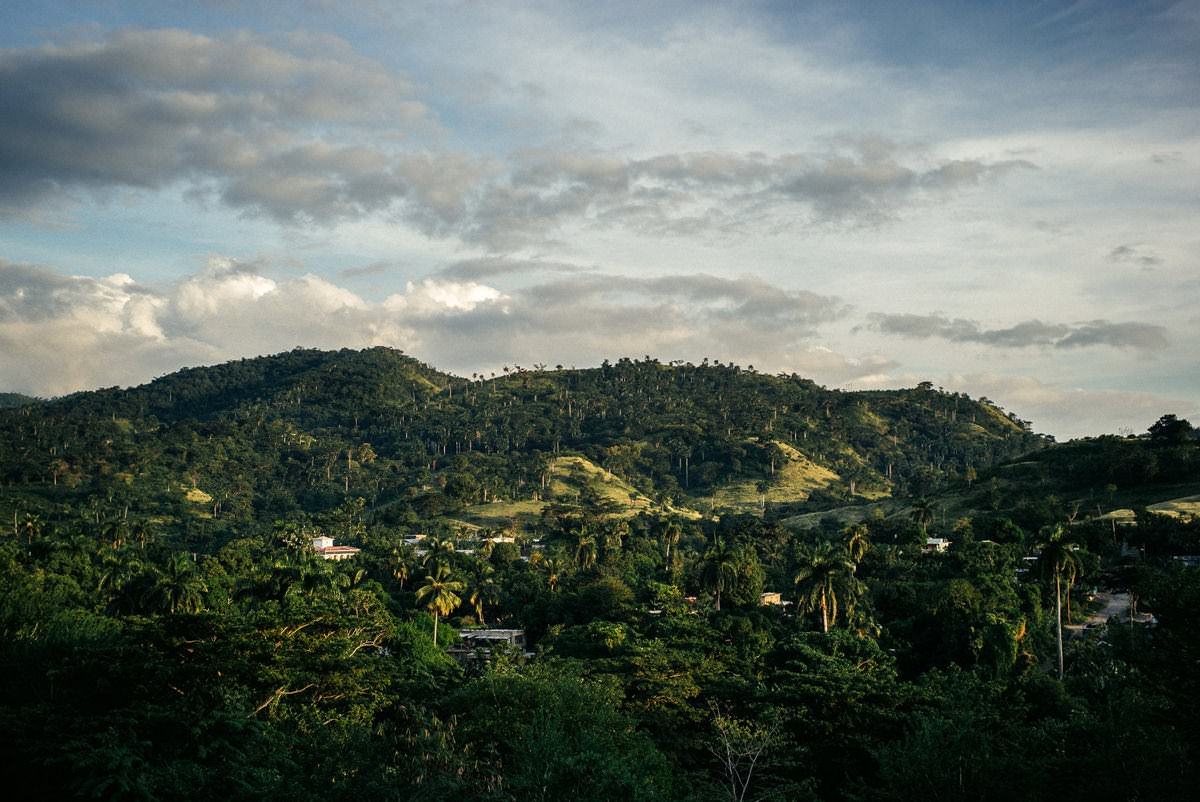
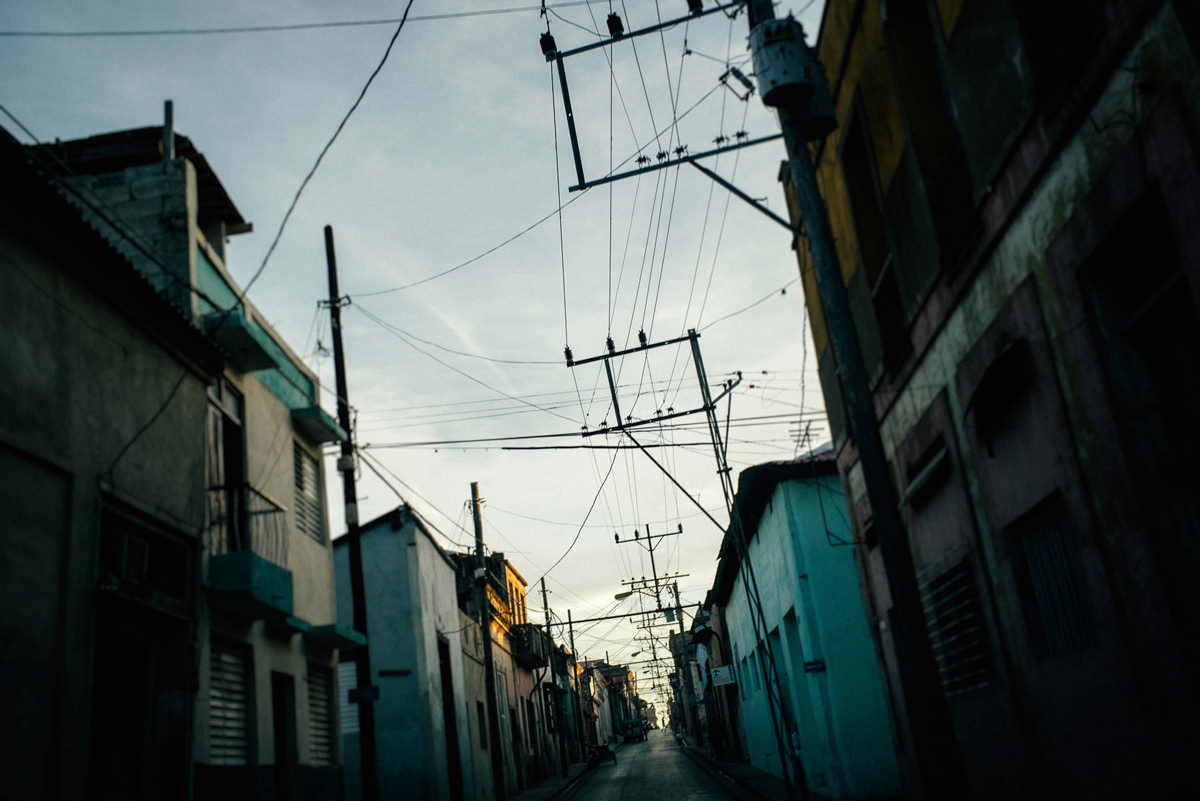
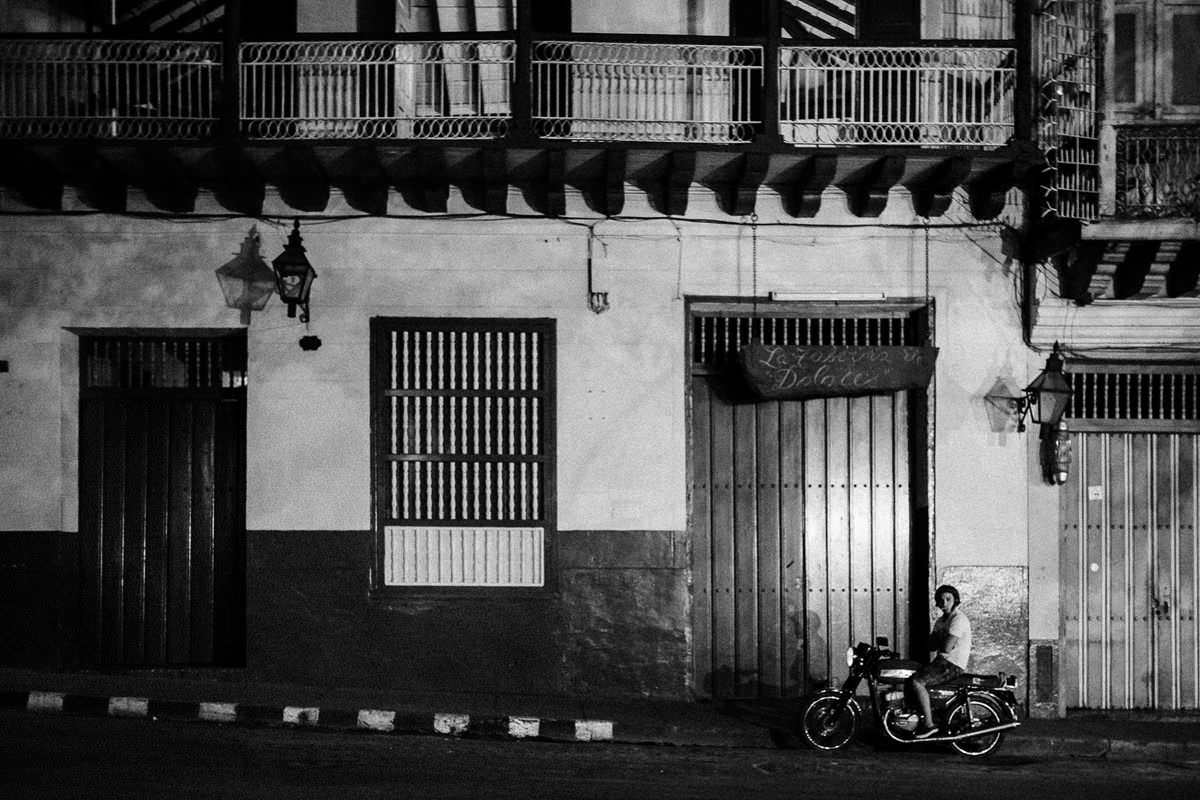
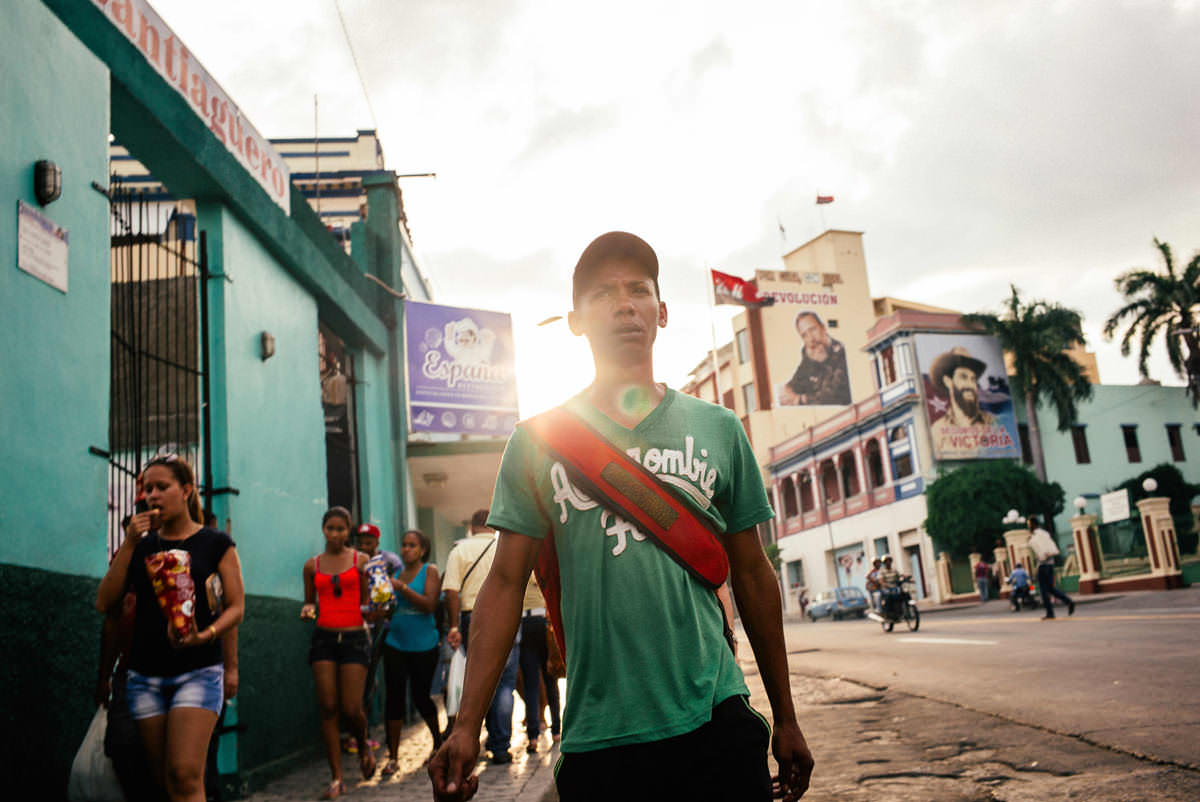
“Patria es Humanidad” above the departure building – after three days in Havana we were finally on our way.Our plane to Holguín: a Cubana Antonov-158, its engines mounted at the tail.Left, the Havana airport sign; right, the nose of the Antonov – my first flight on this type.Dense blocks of houses and a dead-straight highway below the window.The wing above the Havana coastline – the safety briefing came in Spanish and Russian.Left, fluffy clouds; right, fields and tracks – Cuba through the window on the way to Holguín.Arrival at Frank País Airport in Holguín: jet bridge, stairs and plenty of sky.Through green hills towards Santiago de Cuba in the only hire car still available.Royal palms tower above the greenery – the countryside between Holguín and Santiago was beautifully rural.A small house hides among banana plants and a large tree.Left, an “Agua Potable” tanker next to a tractor; right, the empty country road.By the roadside a man holds out a halved coconut.A roadside cart full of bananas – there wasn’t much time for stops.Left, a straight road through green fields; right, a lake under a wide sky.Cattle grazing beside the road, a wooden fence and a few trees behind.A wide river with palms on the bank – a quick look from the road.Water plants fringe the shallow bank, dense forest behind.A railway line runs dead straight through the wooded hills.Wooded hills dotted with houses – Santiago de Cuba is not far now.In Santiago de Cuba before sunset: a narrow street beneath a tangle of cables.A motorbike in front of a wooden gate and balcony – Santiago de Cuba, the country’s second-largest city.