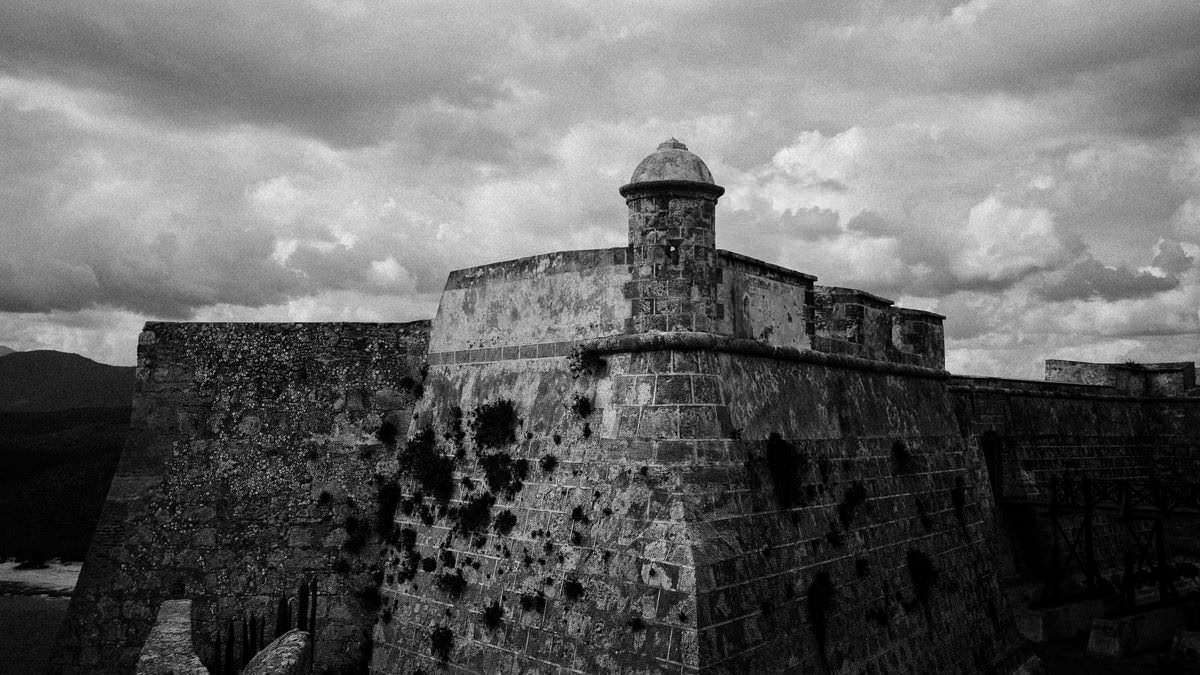
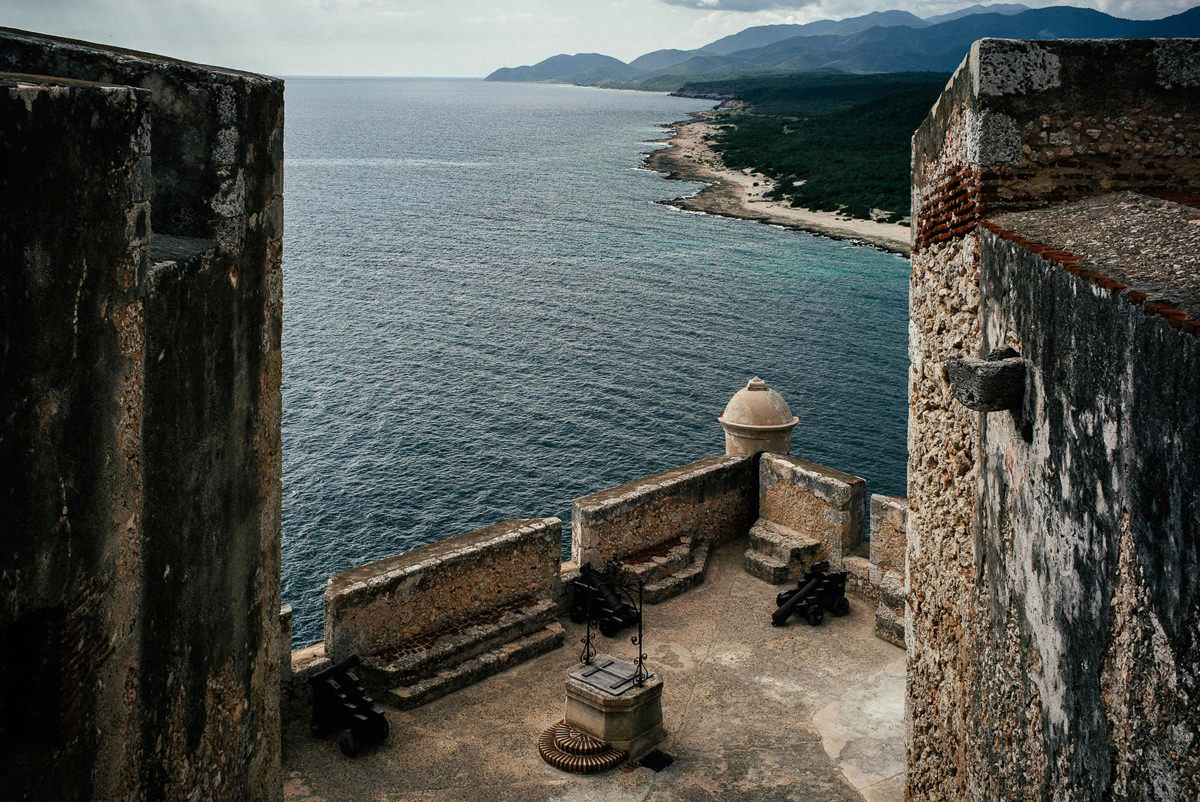
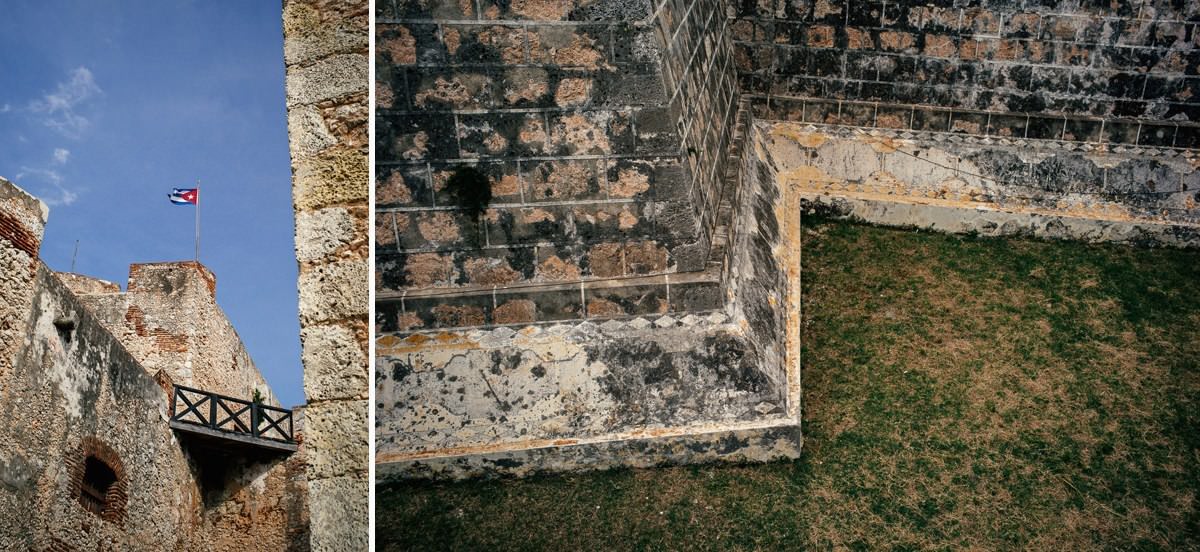
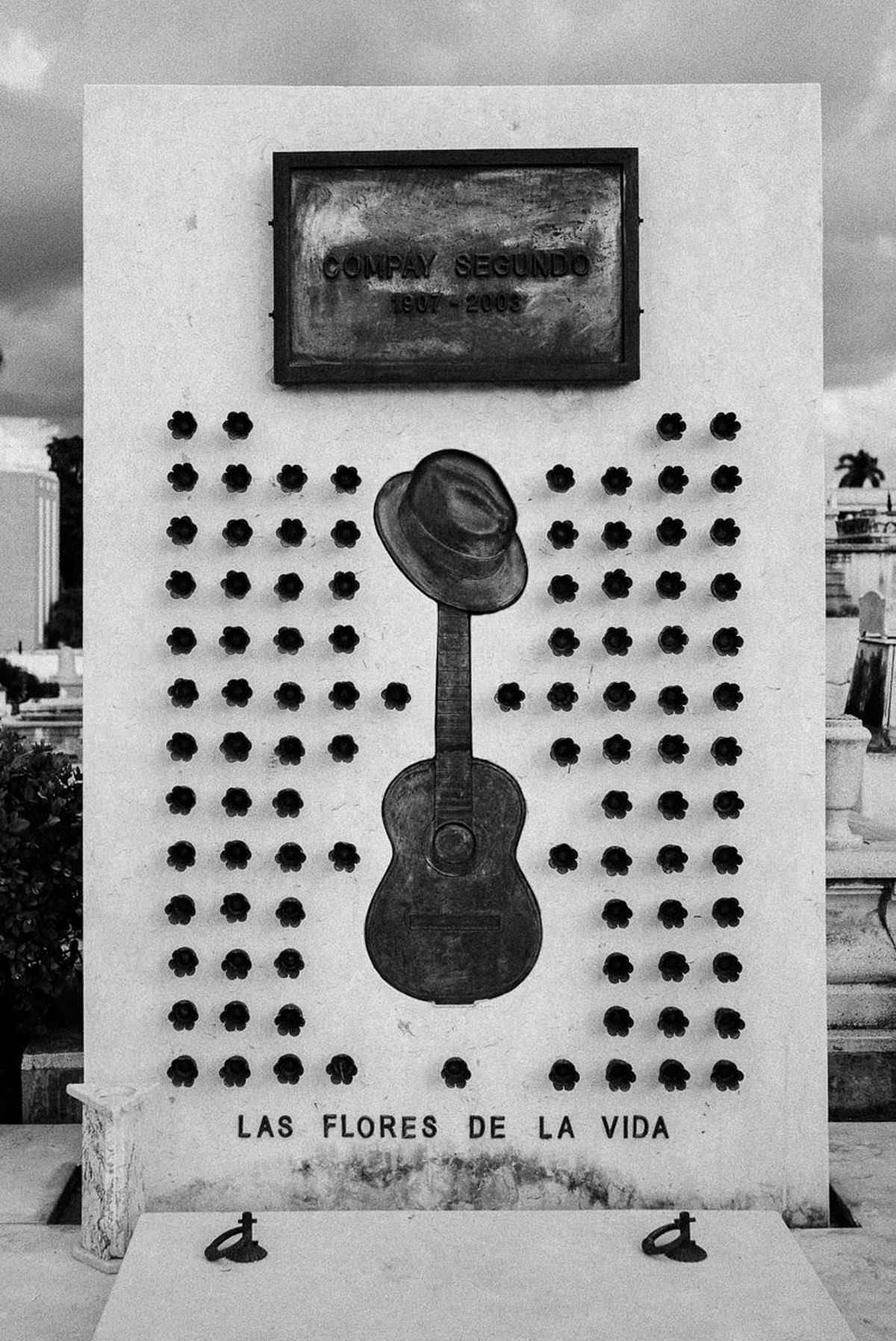
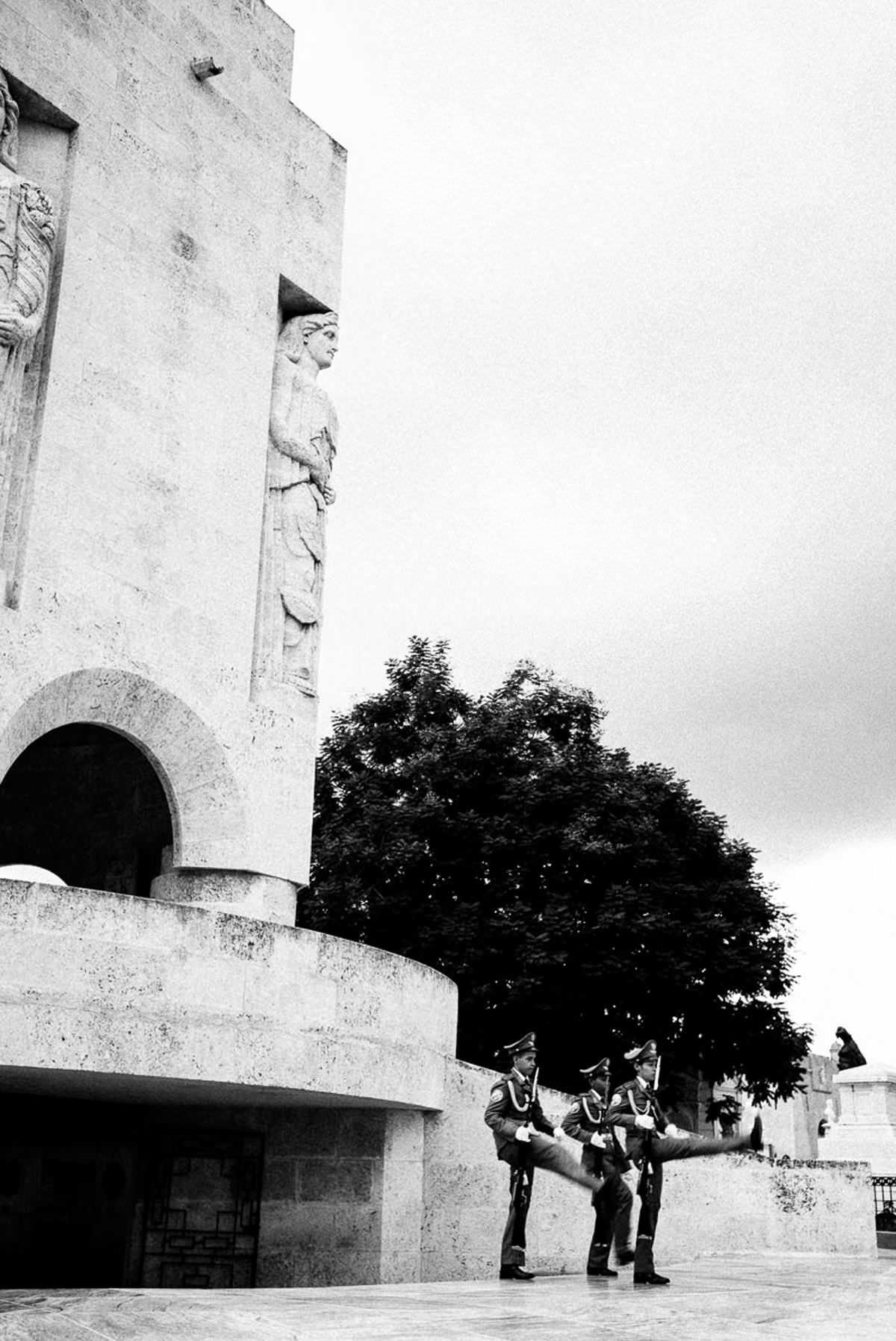
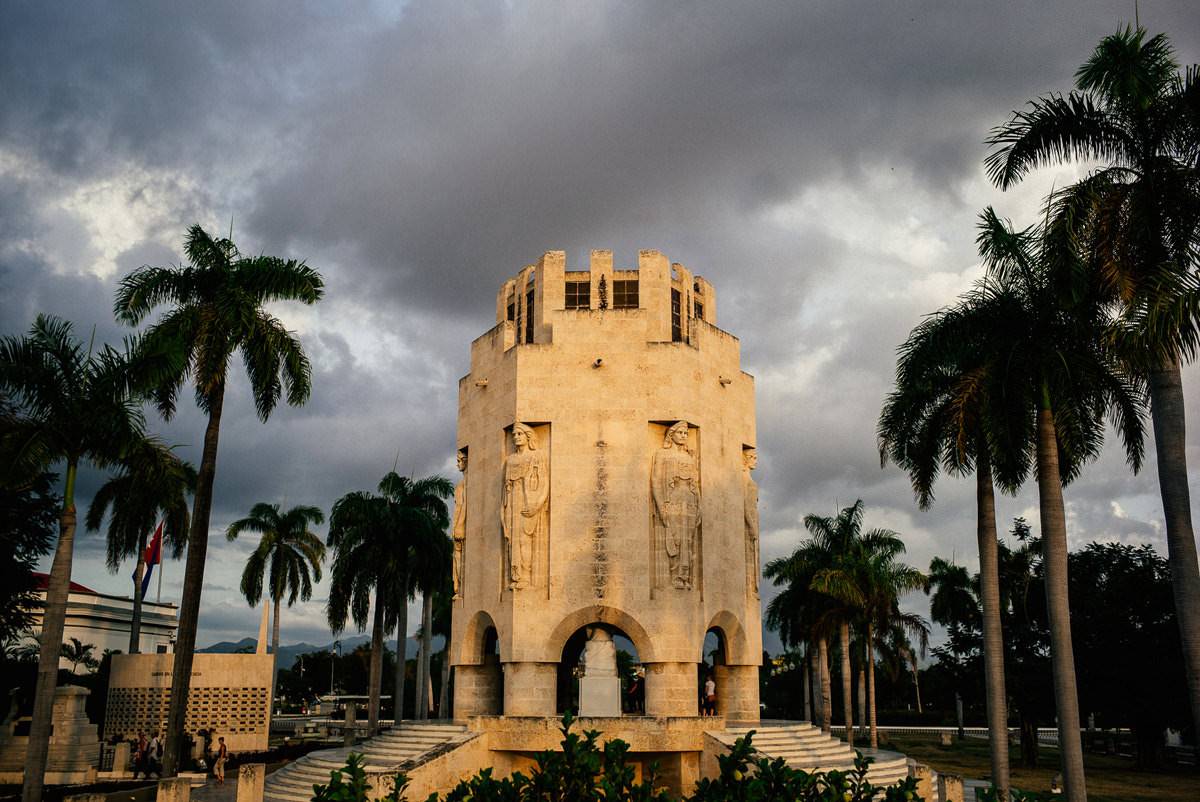
The two full days in Santiago de Cuba were really good: a beautiful city with fewer tourists than Havana. Our casa was right in the centre, directly on Parque Céspedes and the cathedral. On the first day we explored the streets around the centre on foot, and in the afternoon we drove the rental car to the Castillo del Morro south of the city. For sunset we were at the large Santa Ifigenia cemetery, at the impressive mausoleum of the national hero José Martí, where the guard changes every half hour with a mighty drum march. Barely two weeks after our visit Fidel Castro was also laid to rest here. And another well-known member of the Buena Vista Social Club is buried here: Compay Segundo. The Castillo del Morro, properly San Pedro de la Roca, lies around ten kilometres south-west of the centre above the bay; it has been a World Heritage Site since 1997 and is considered the best-preserved example of Spanish-American military architecture.
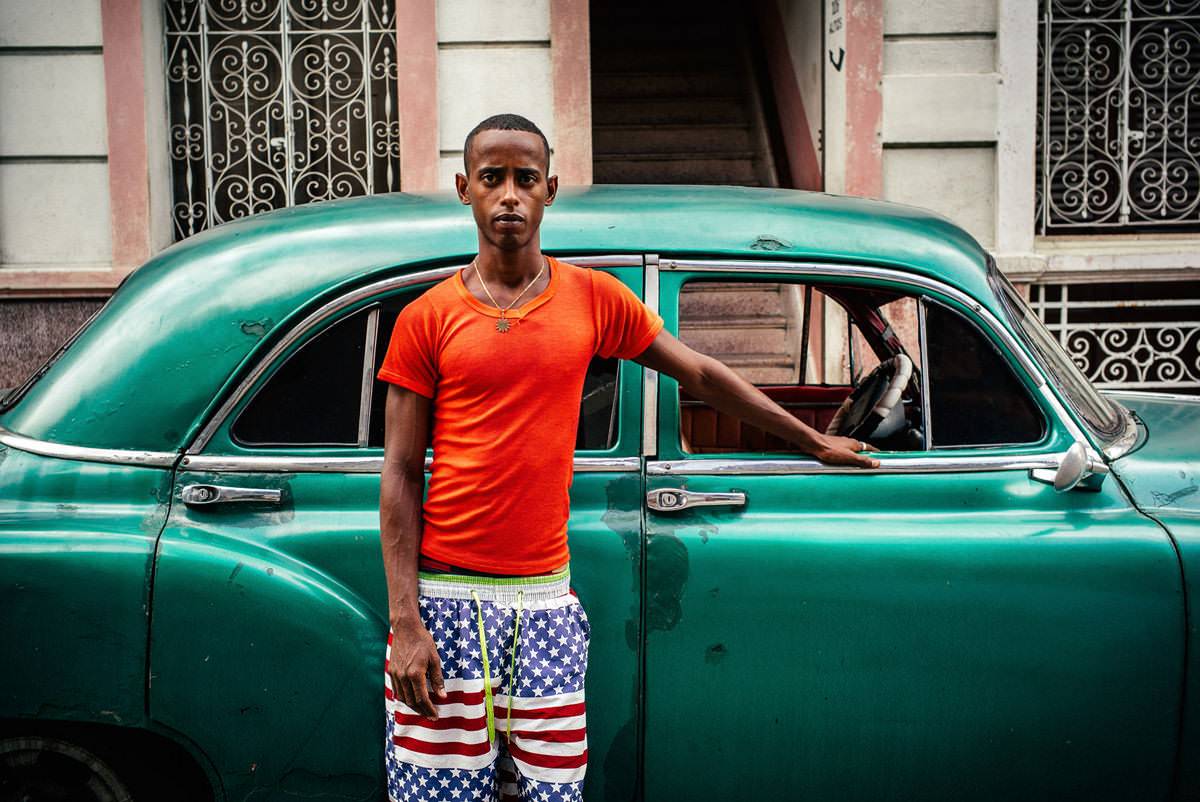
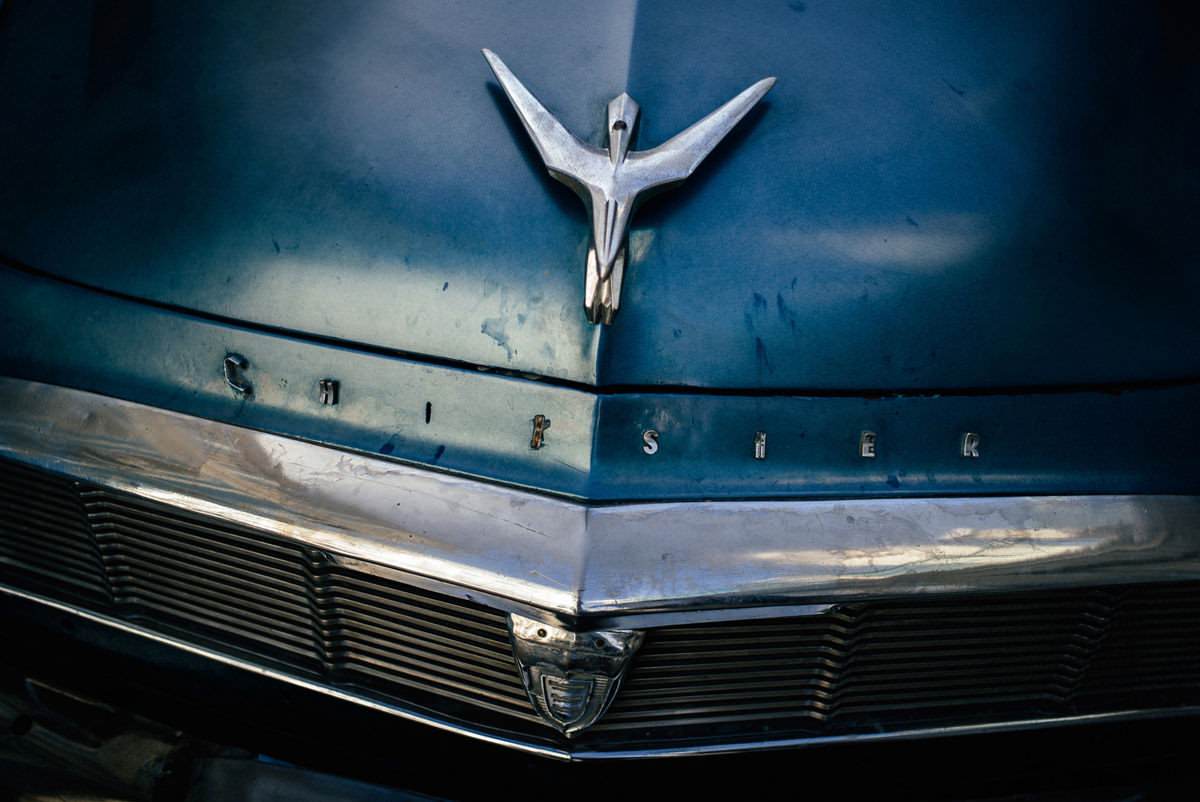
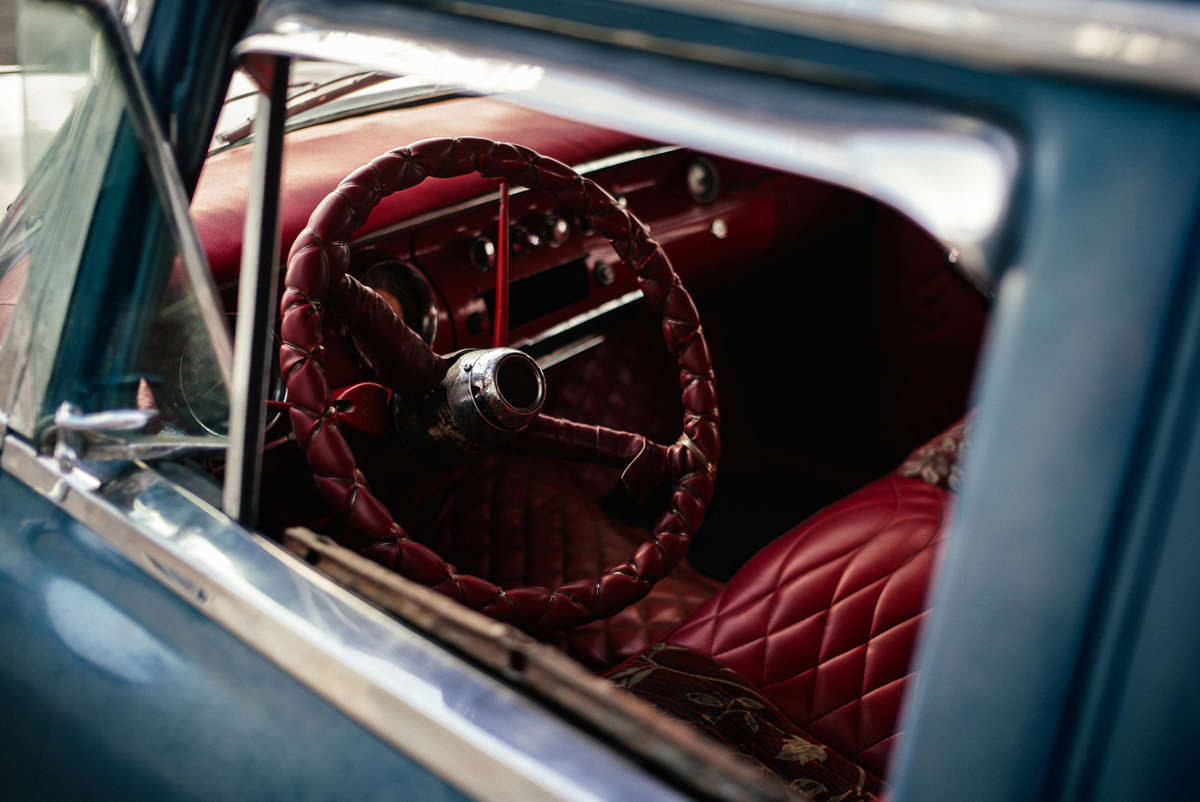
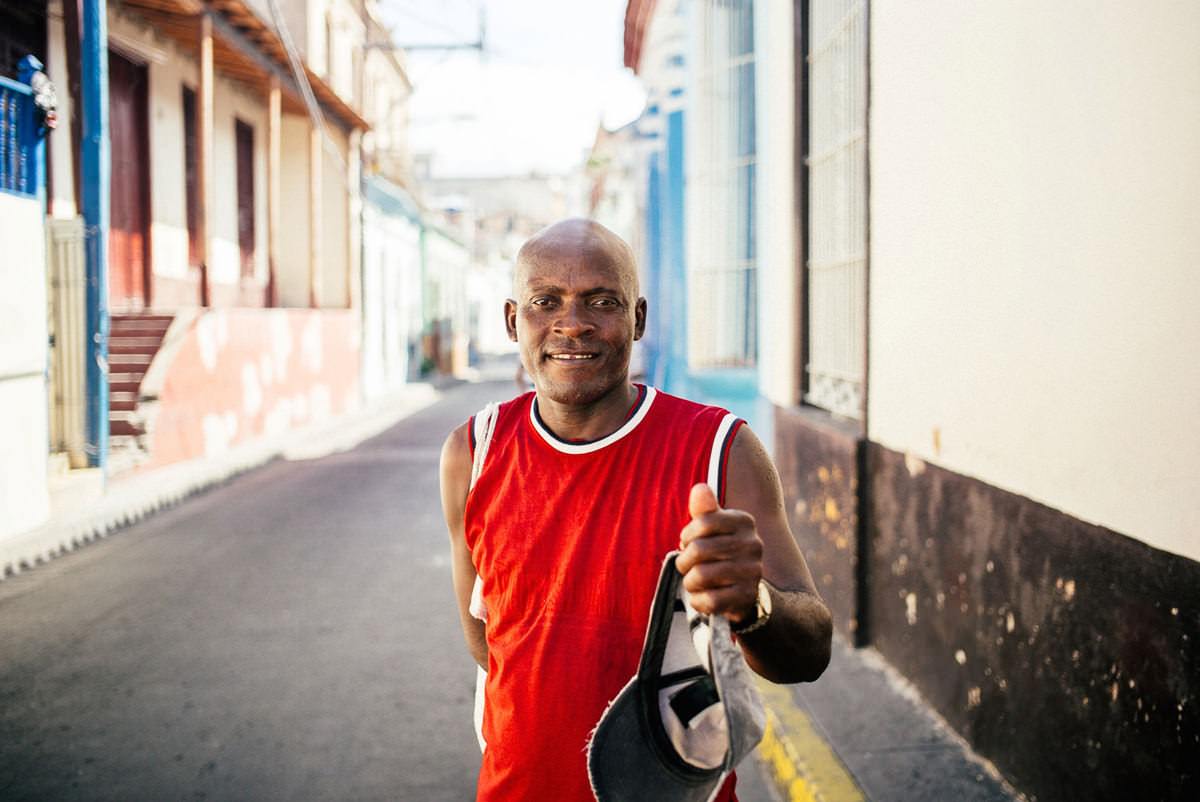
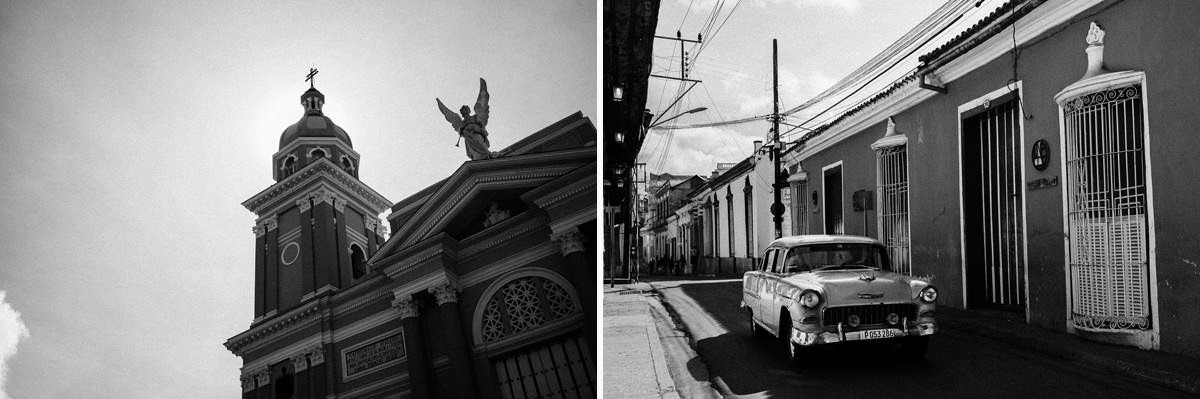
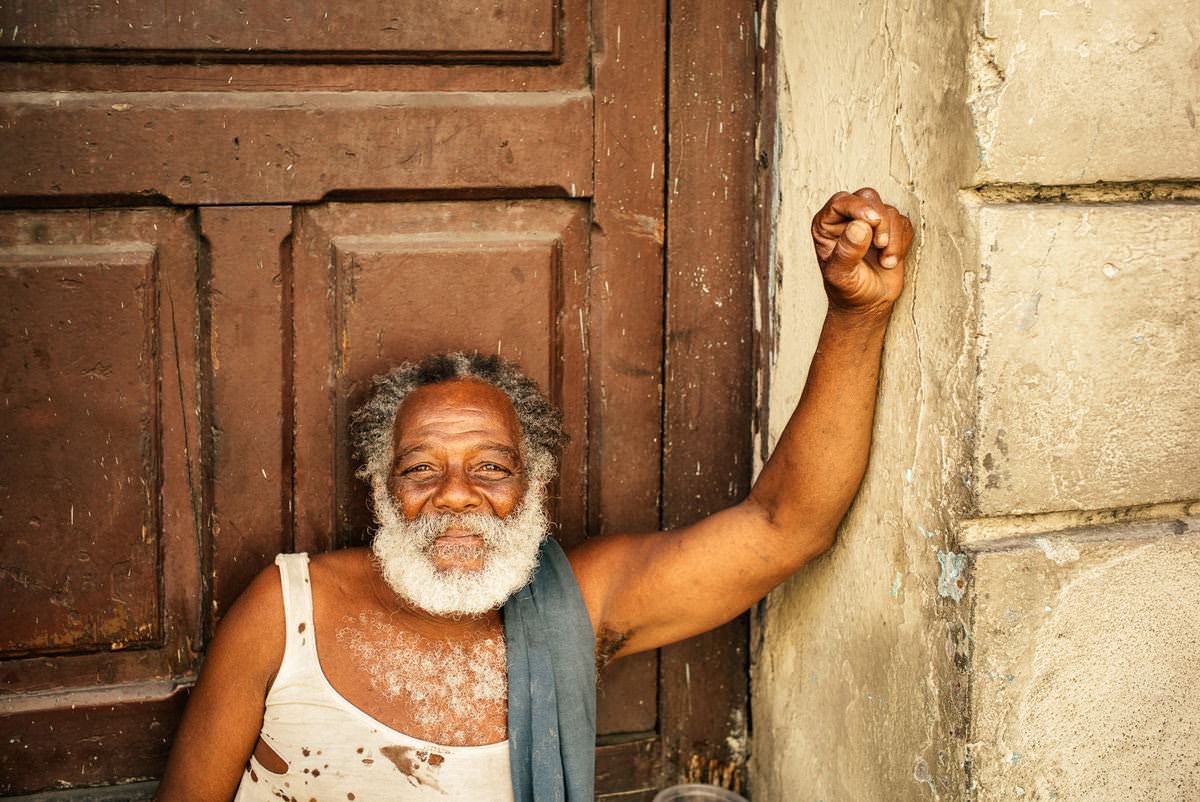
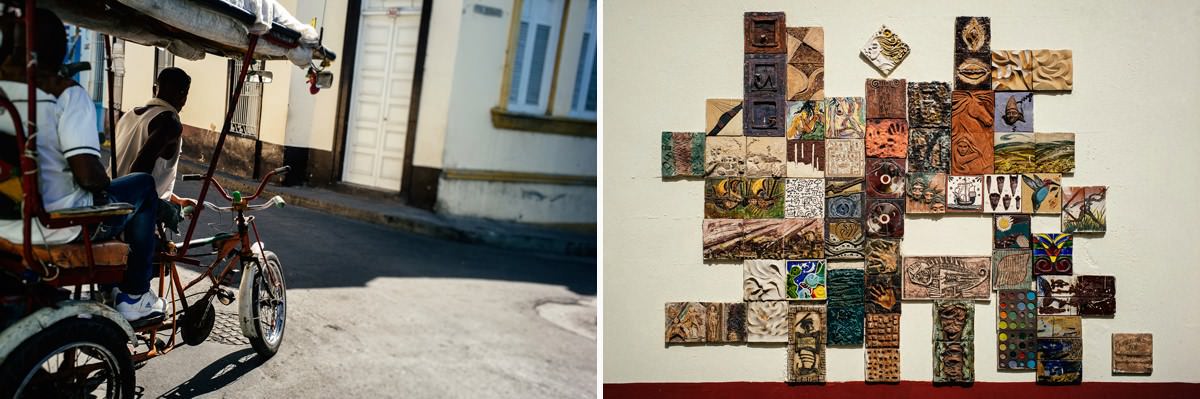
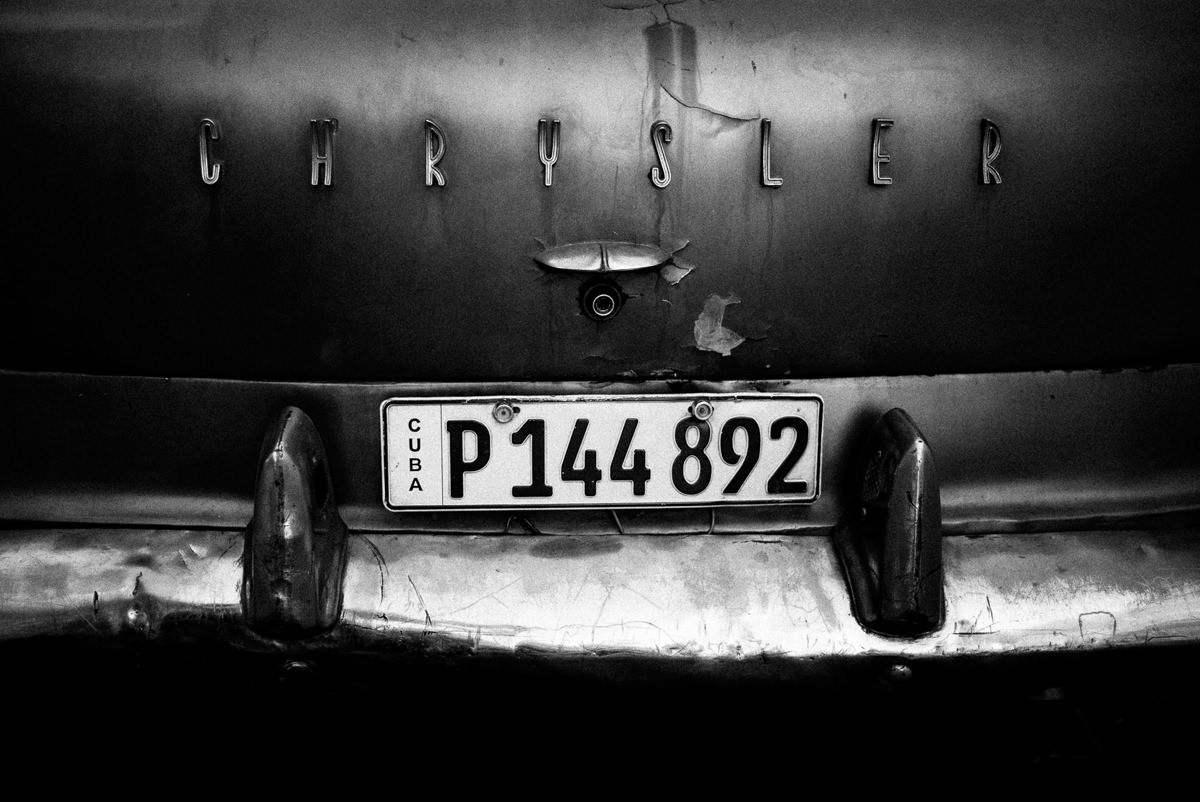
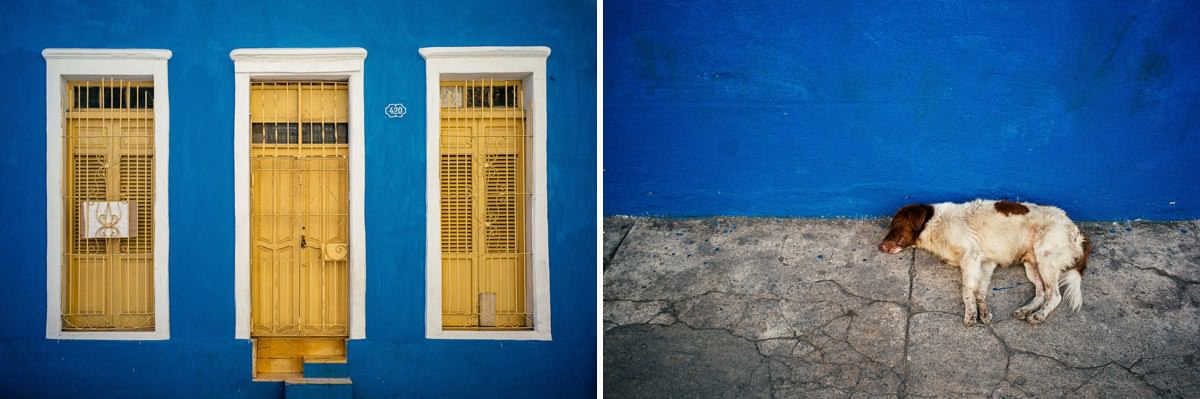
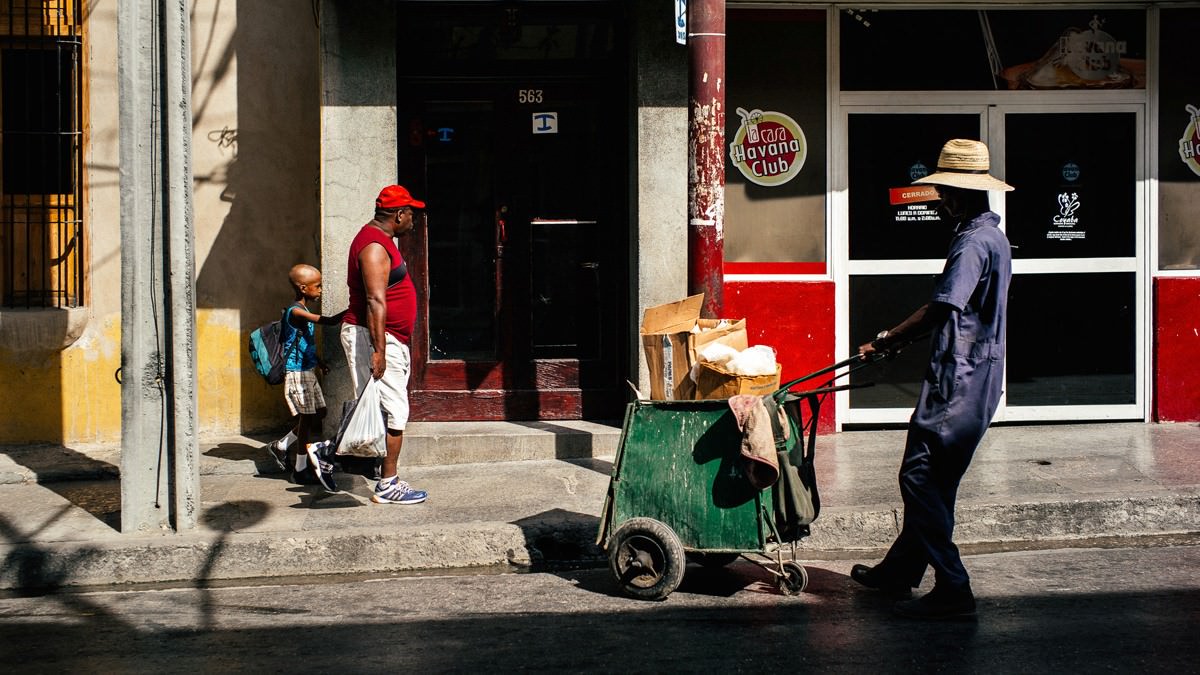
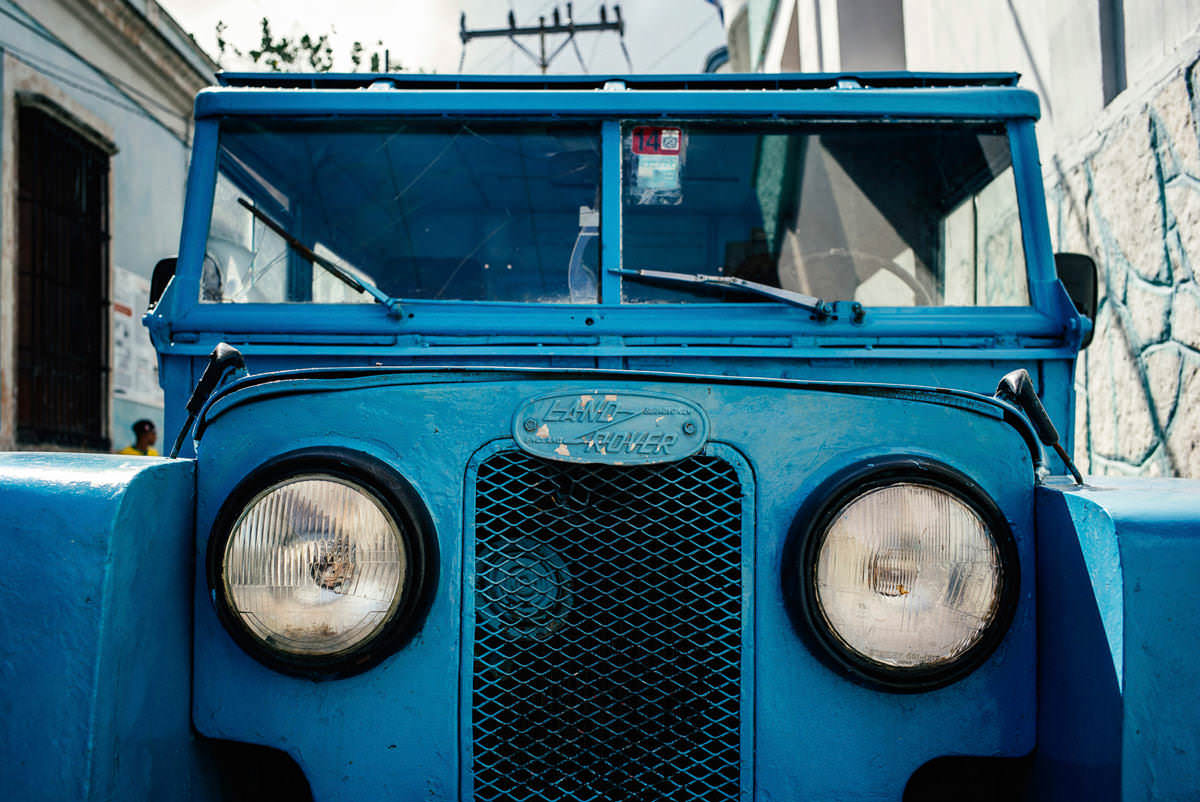
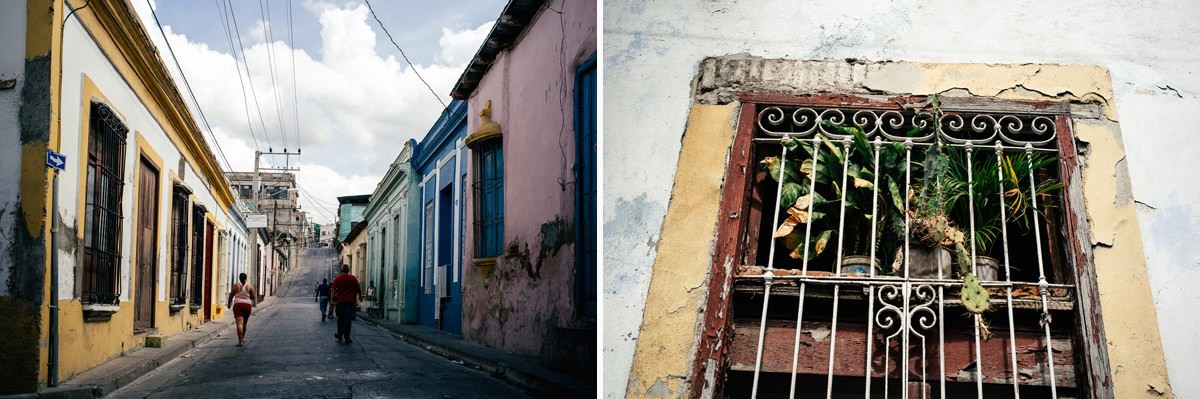
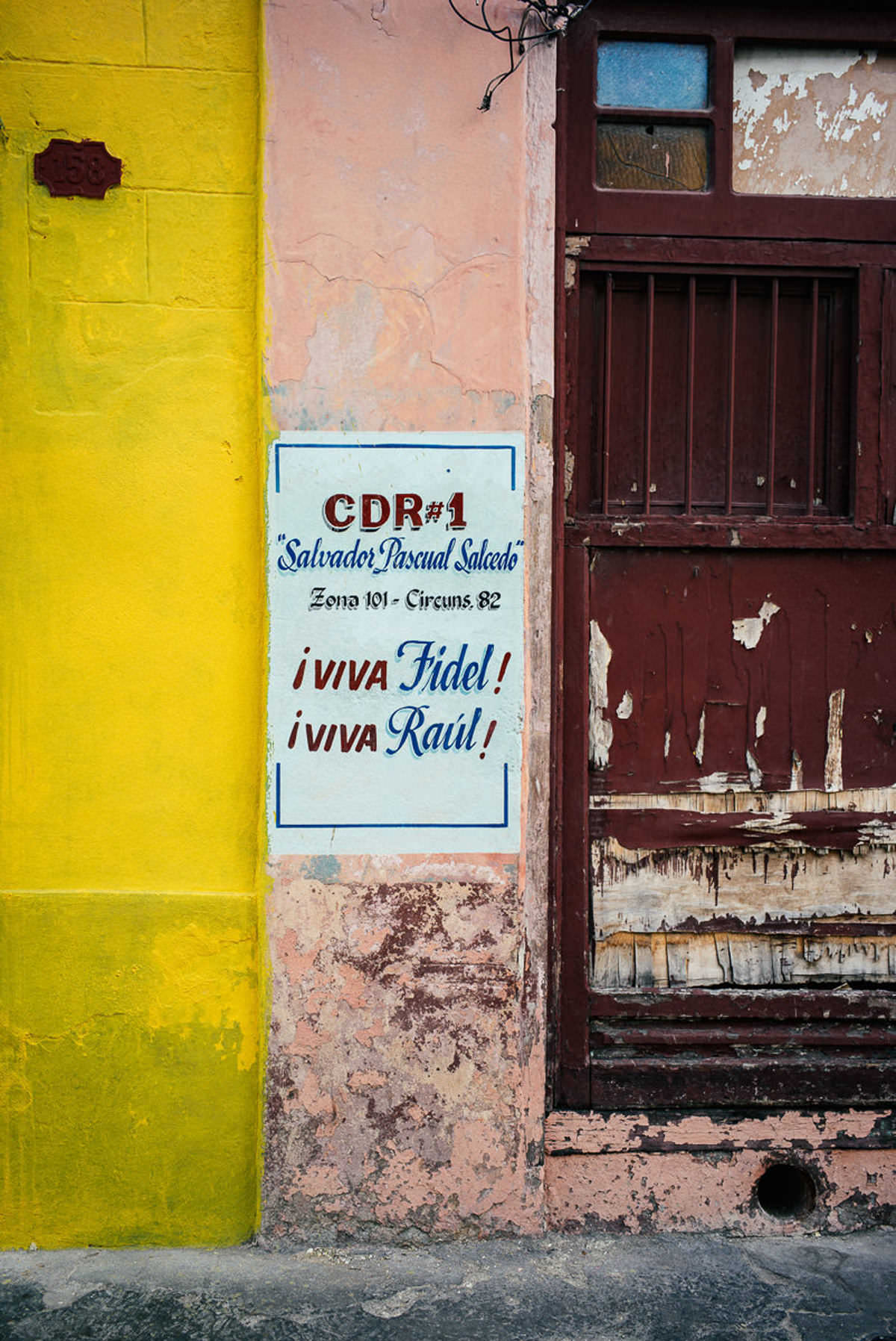
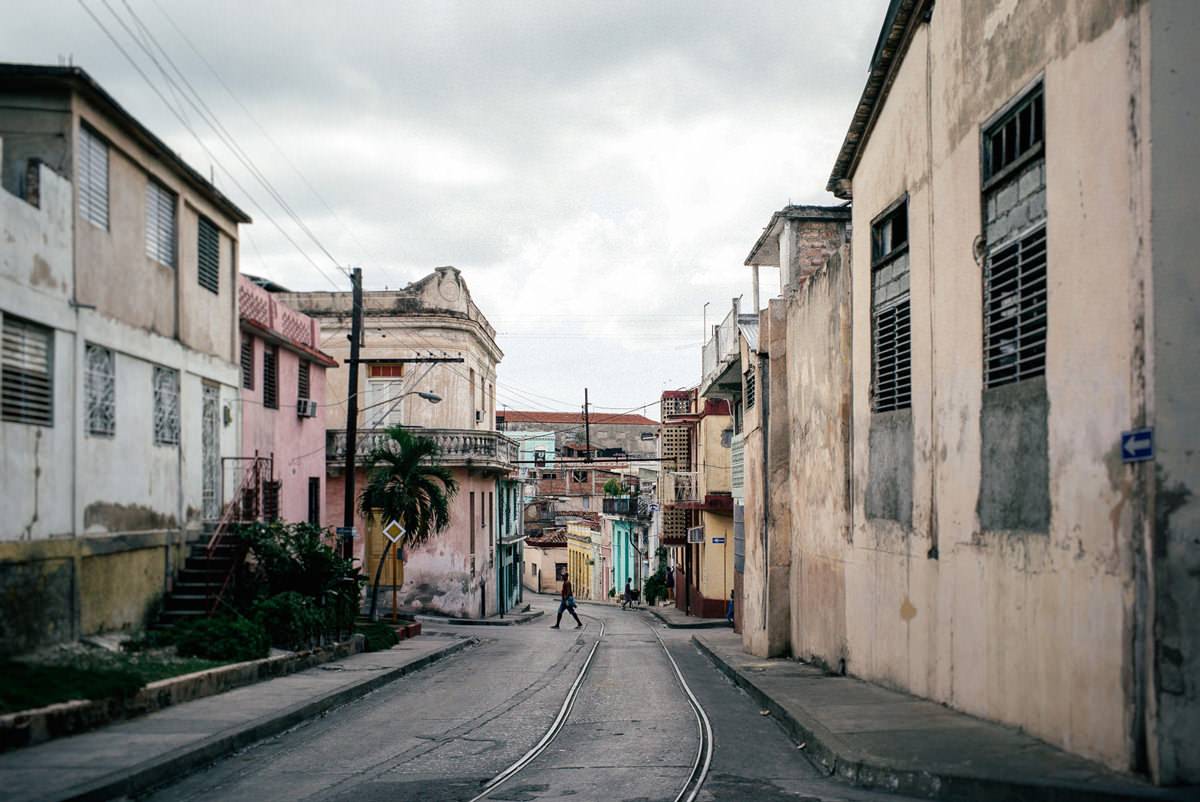
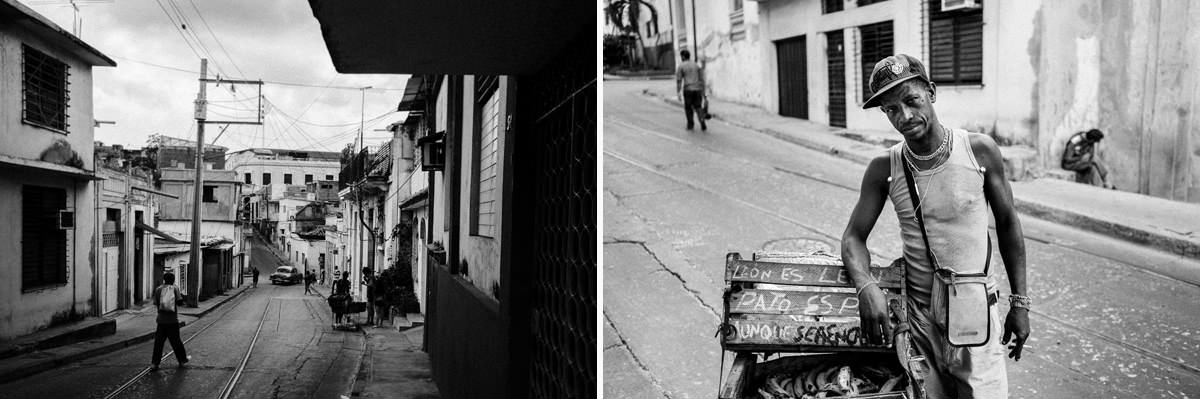
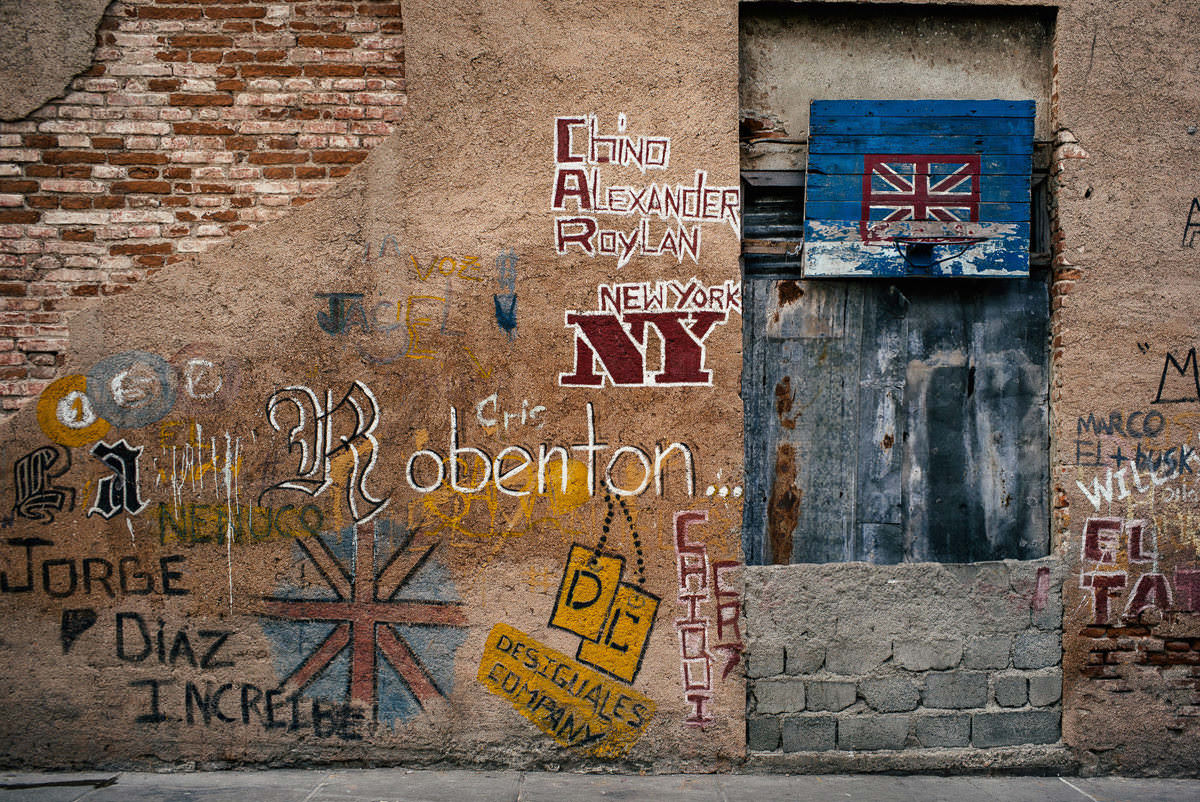
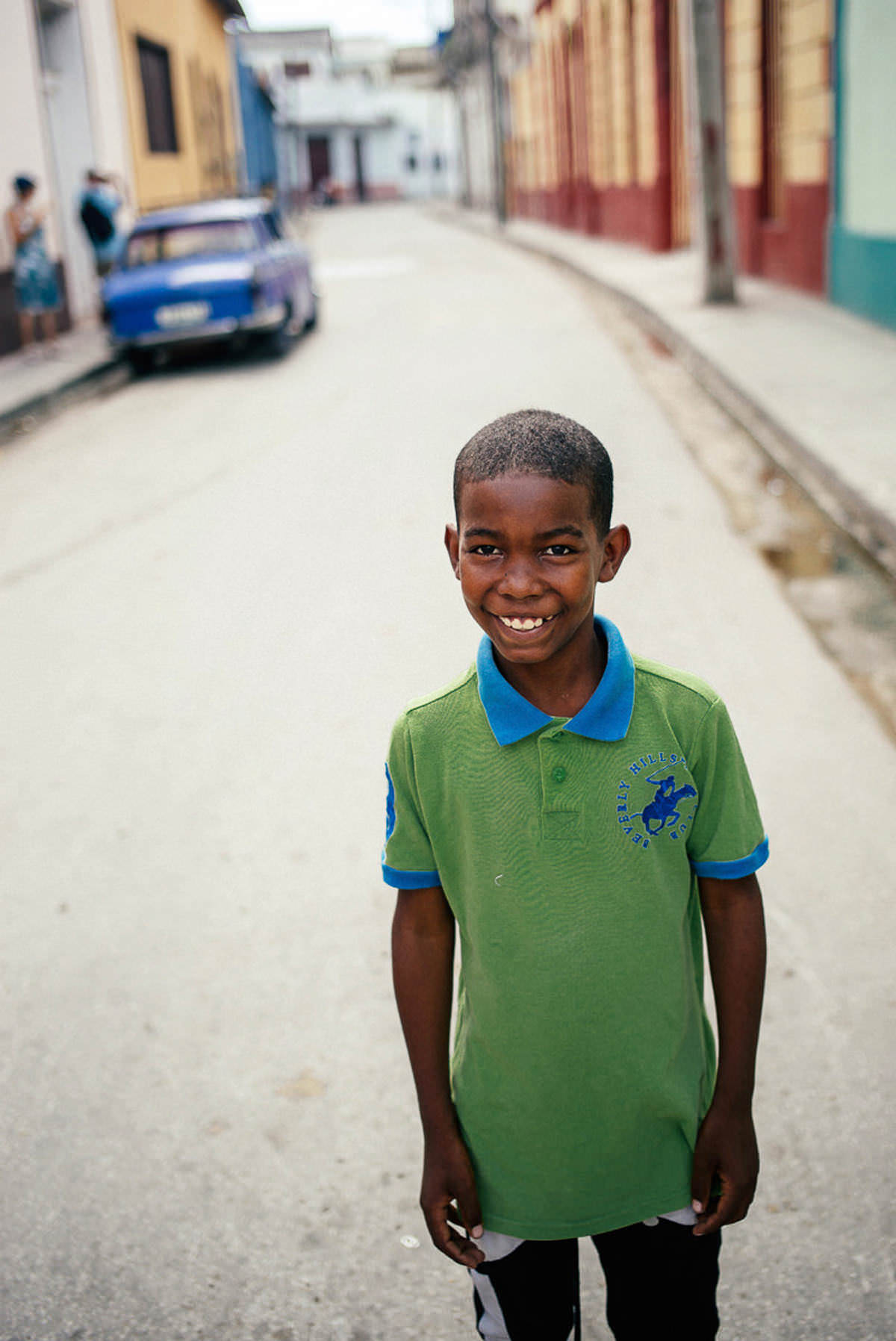
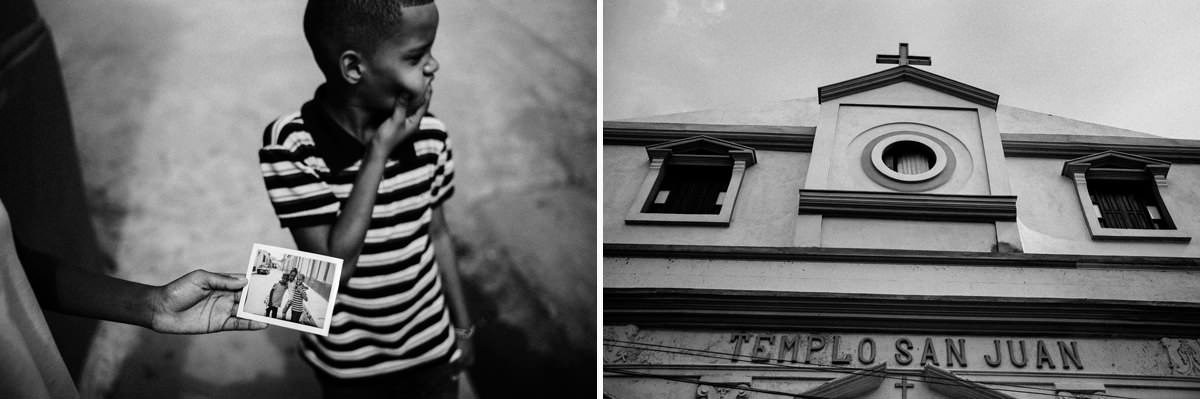
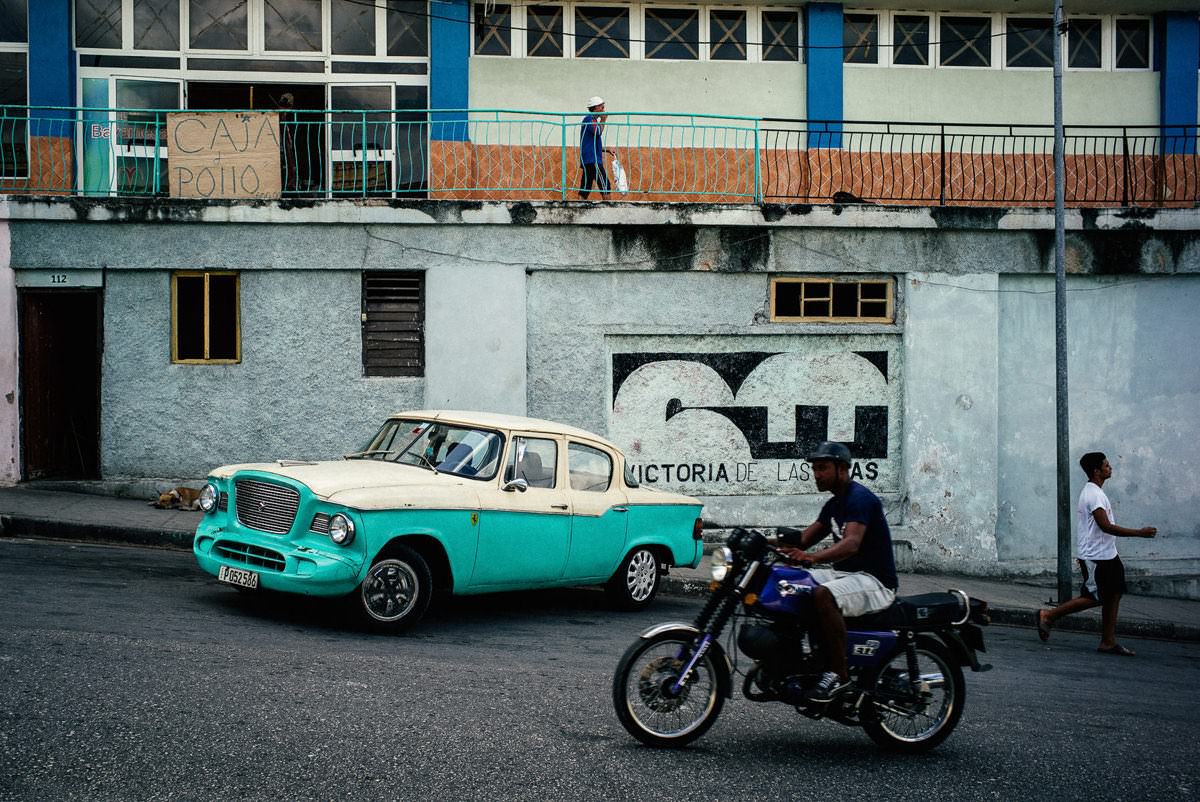
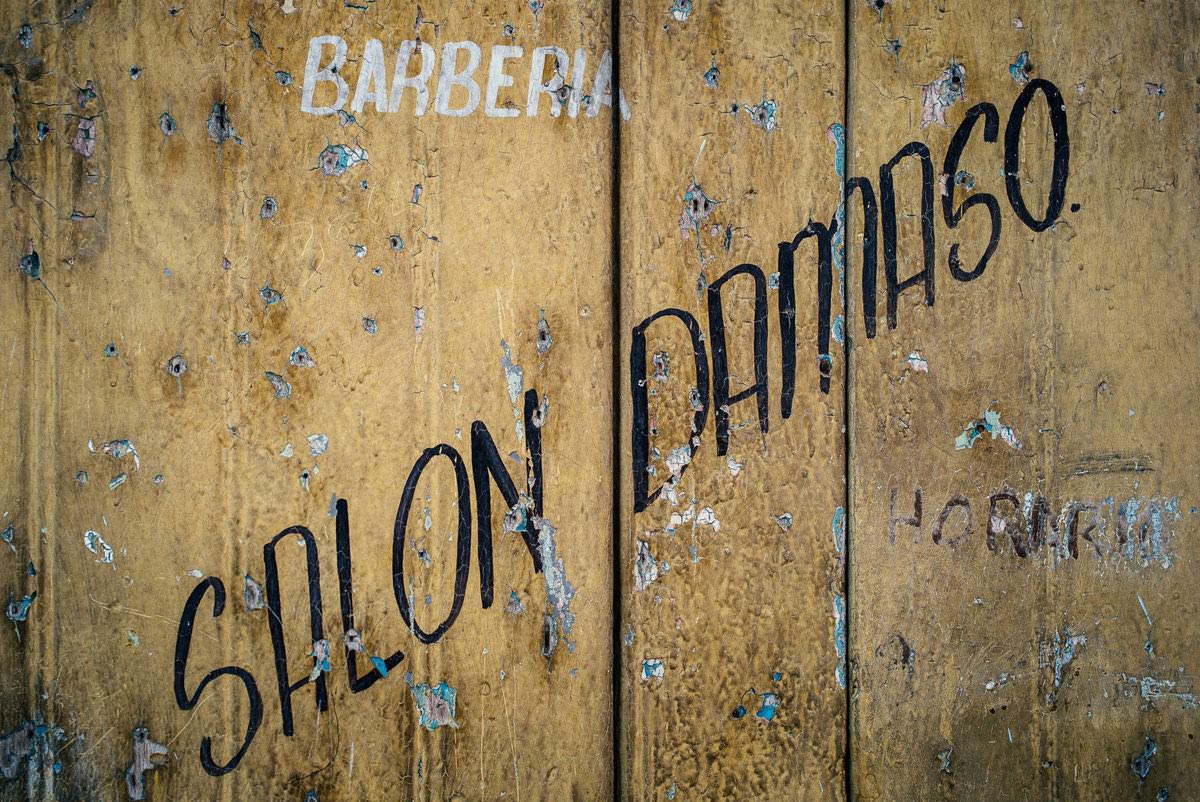
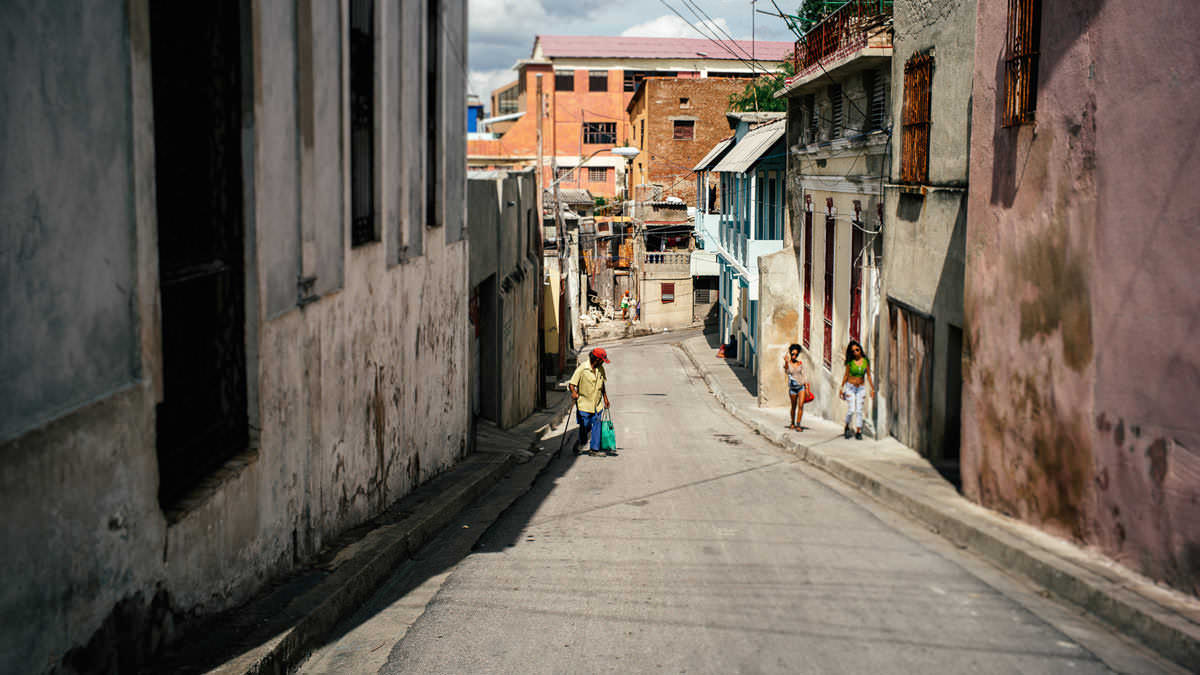
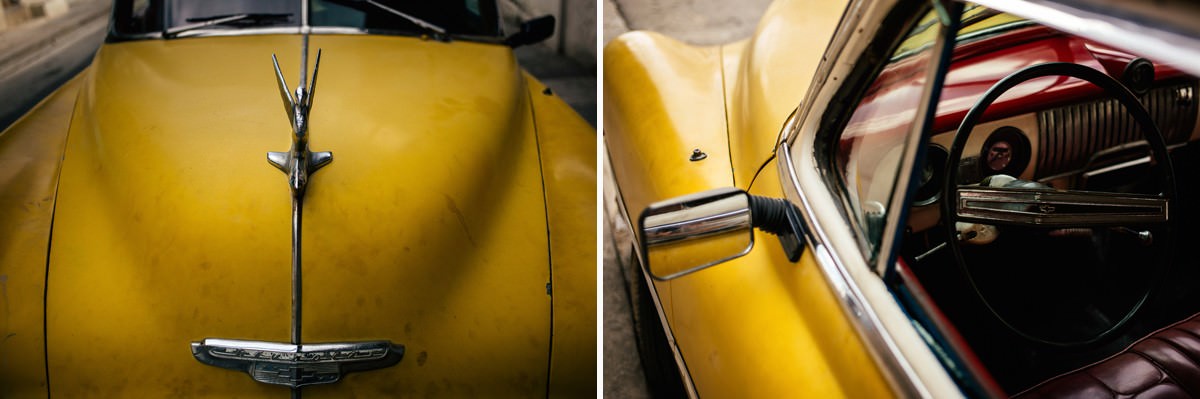
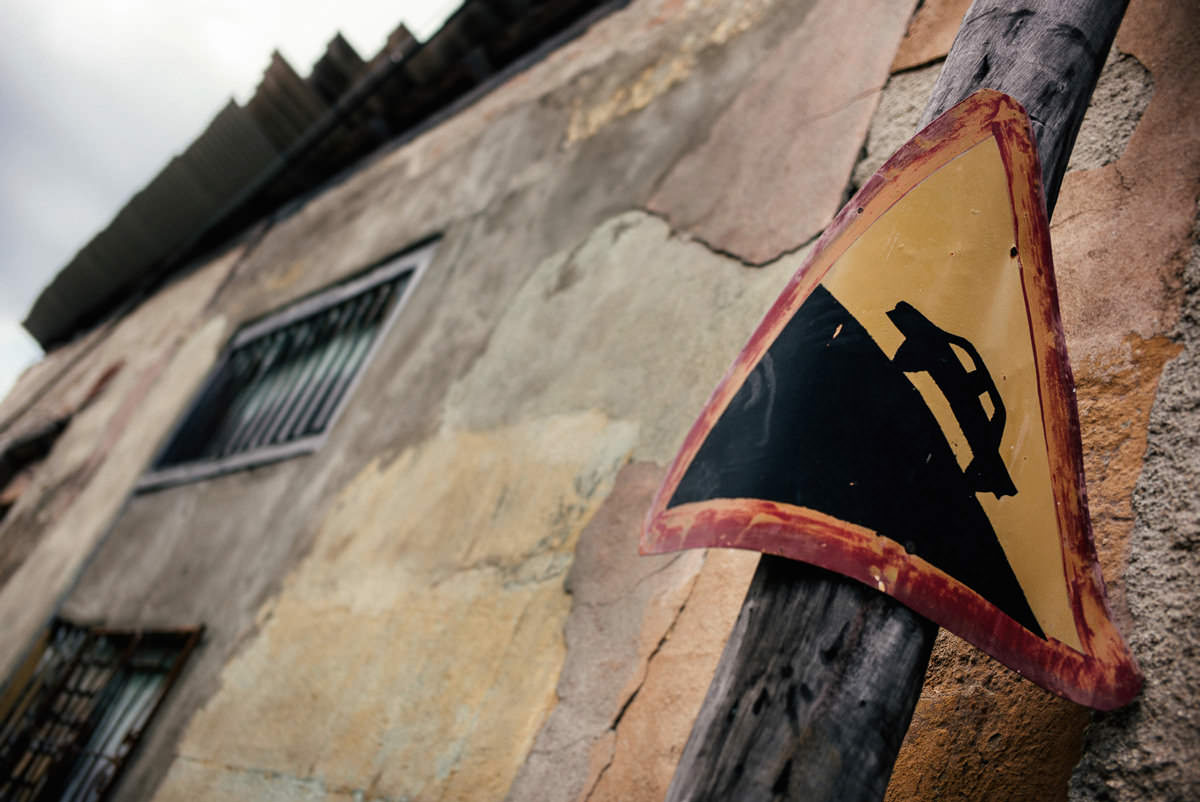
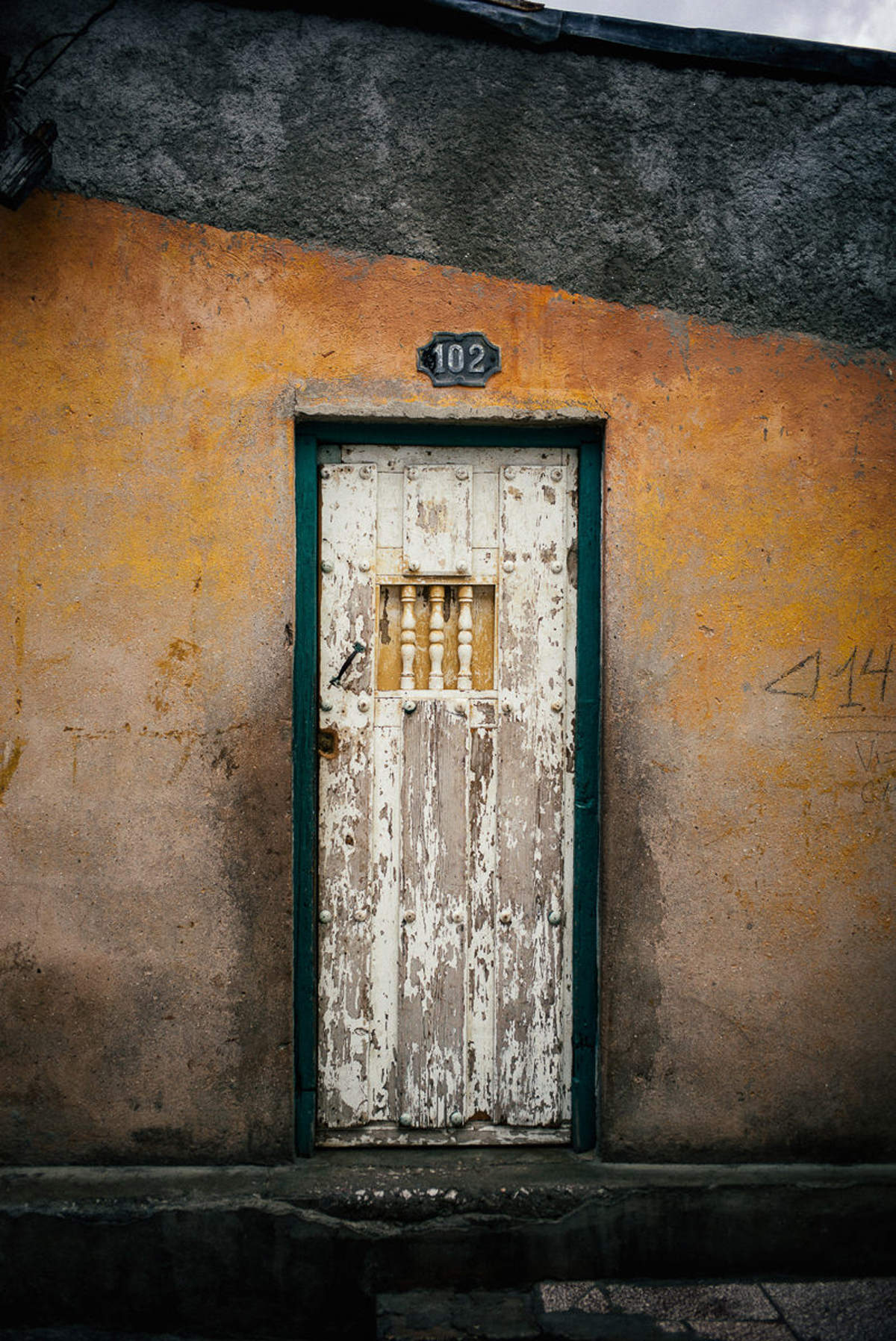
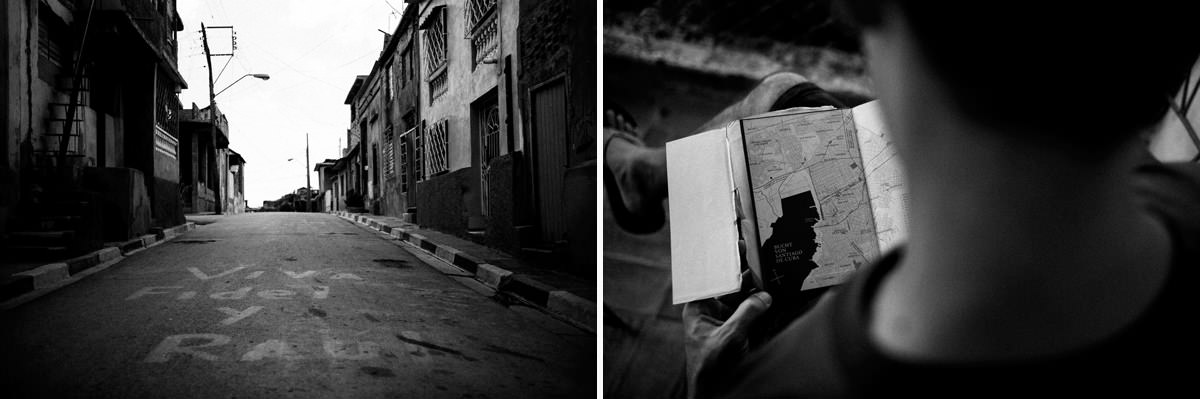
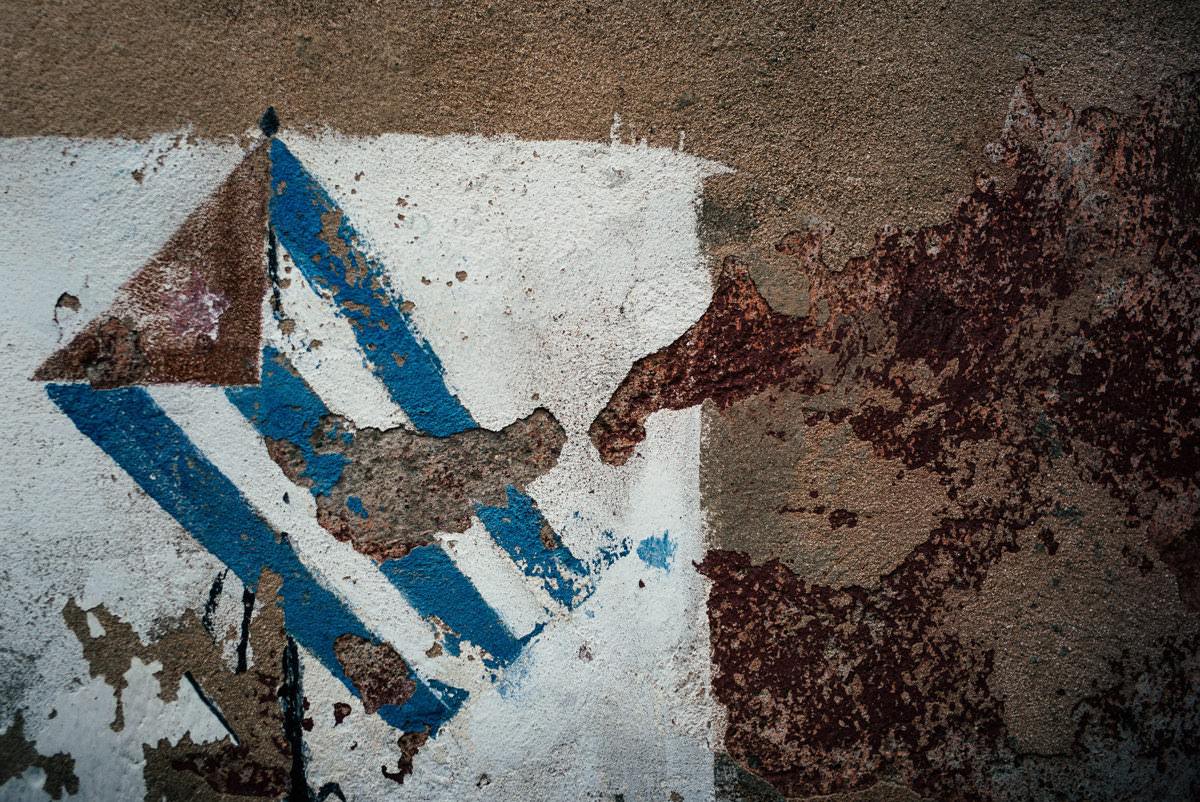
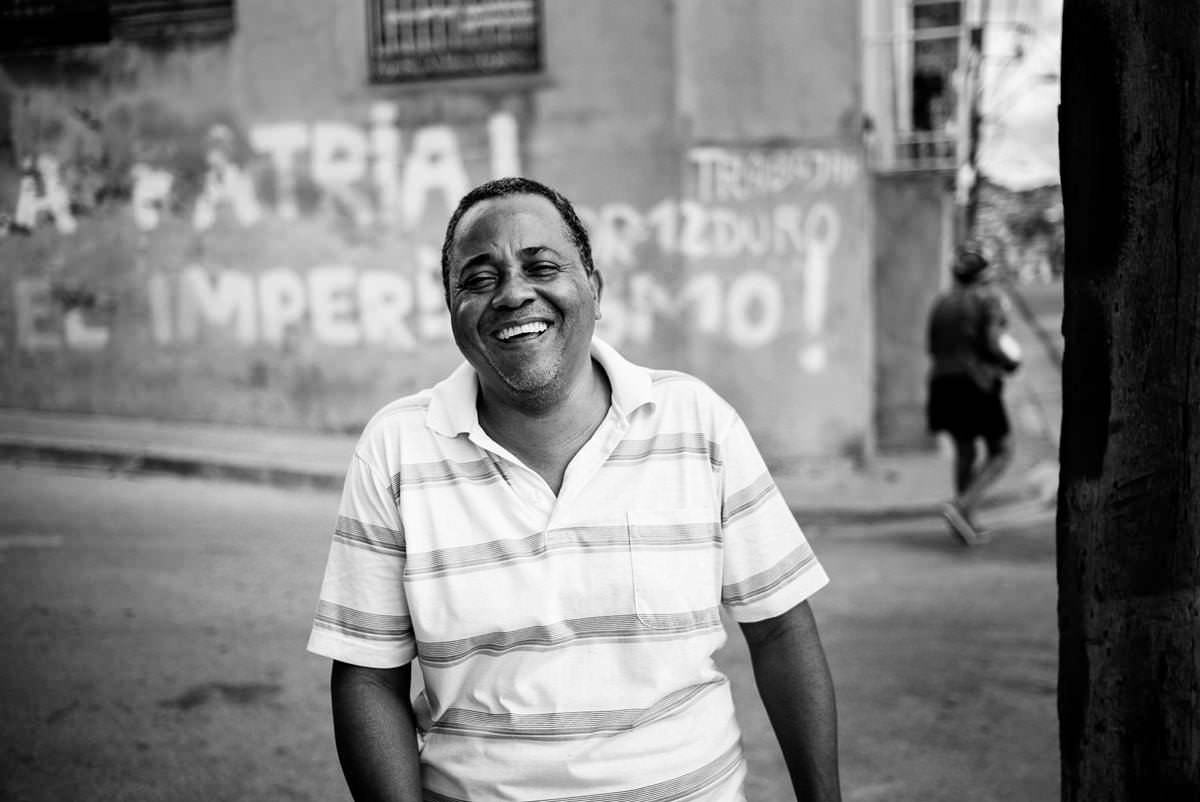
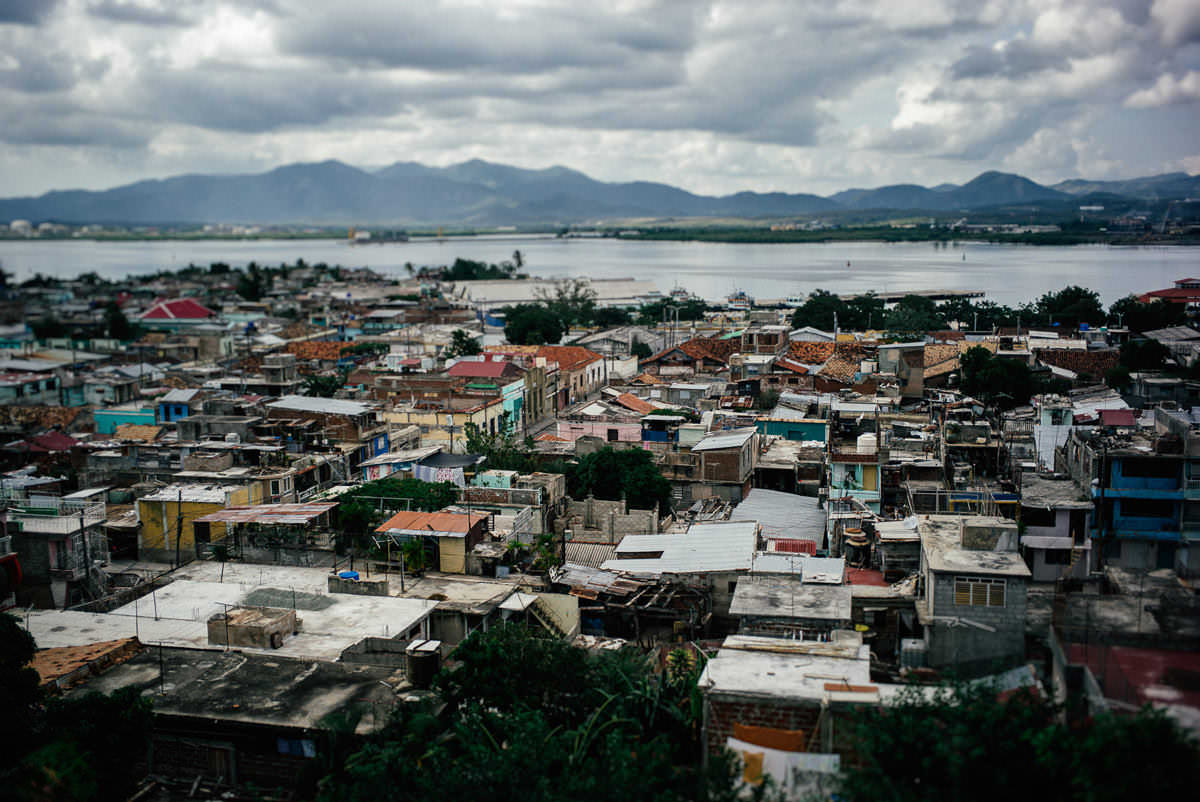
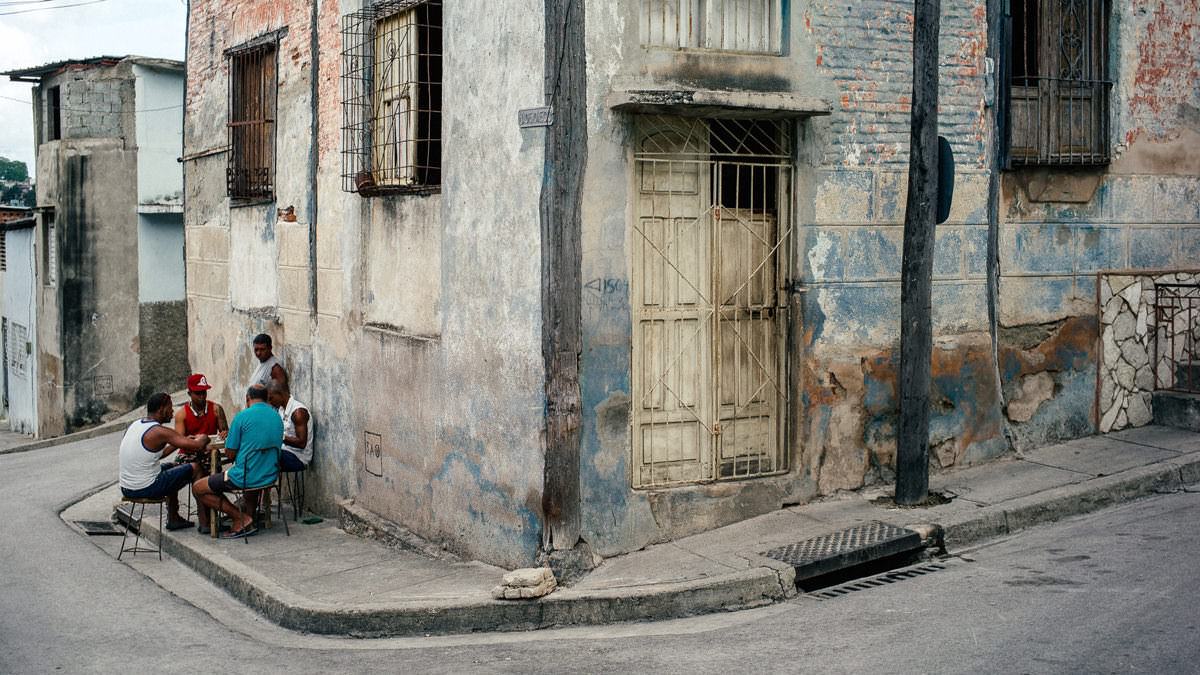
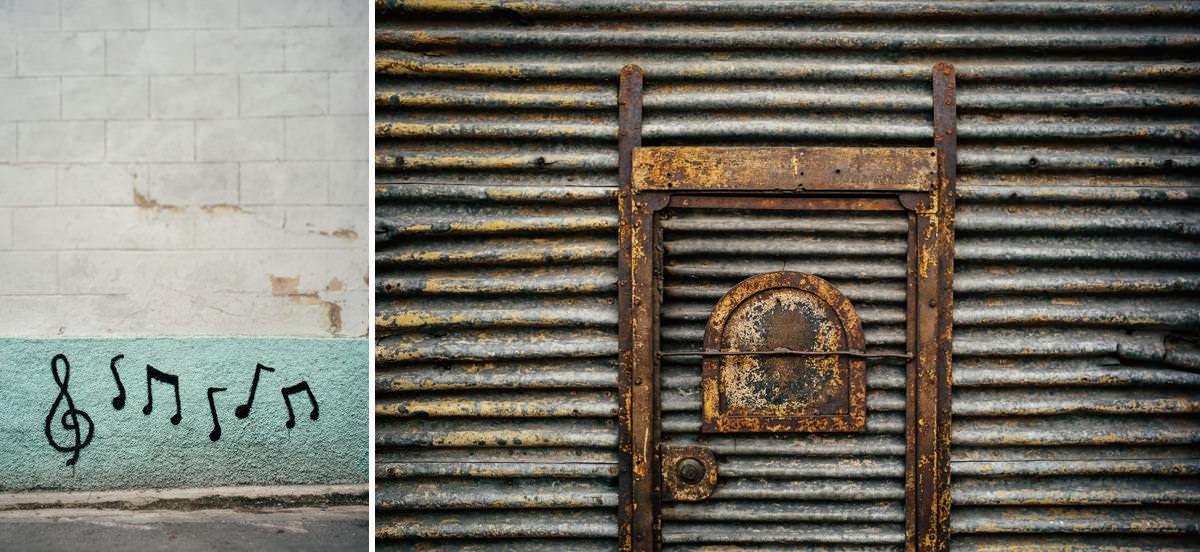
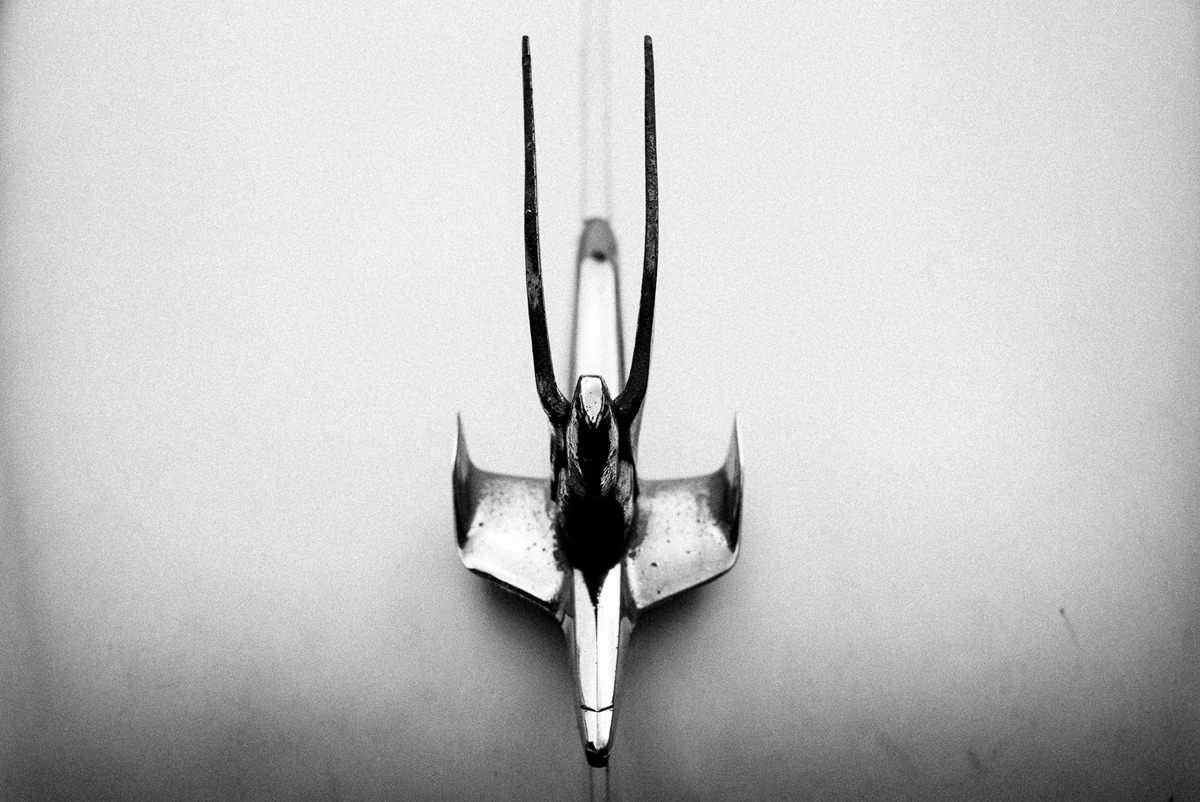
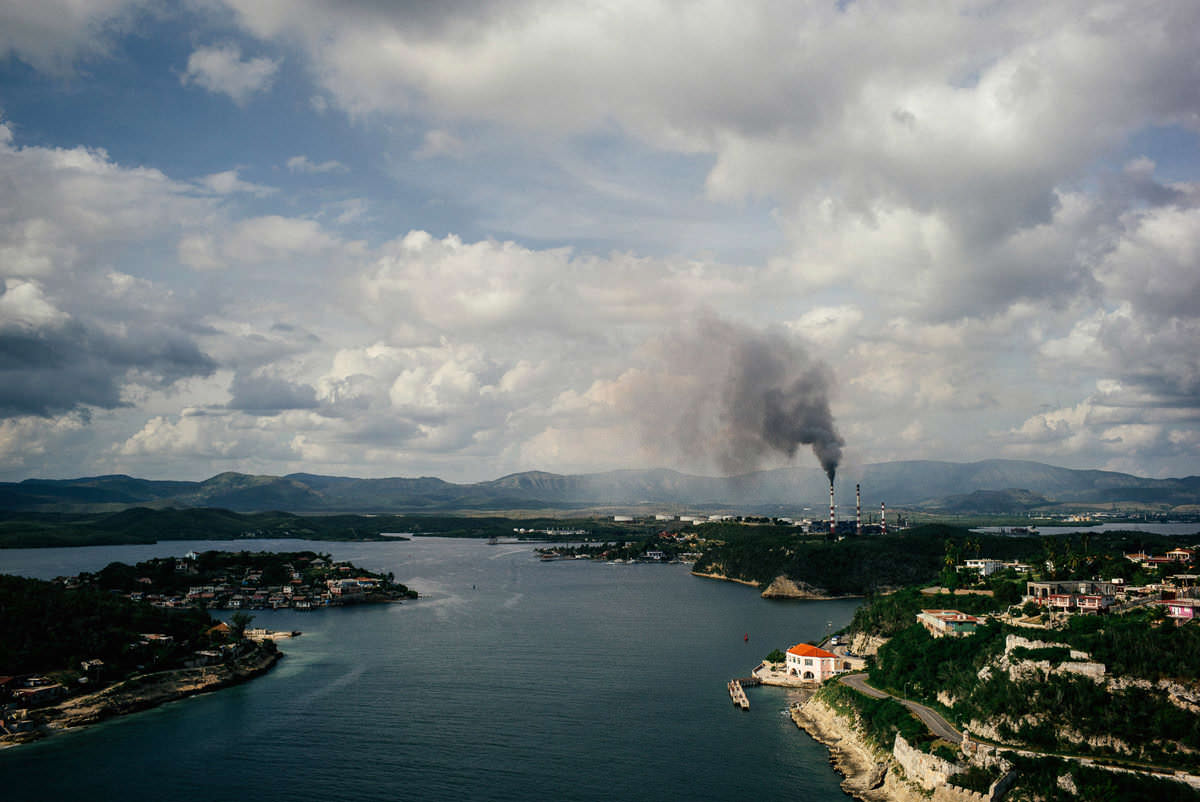
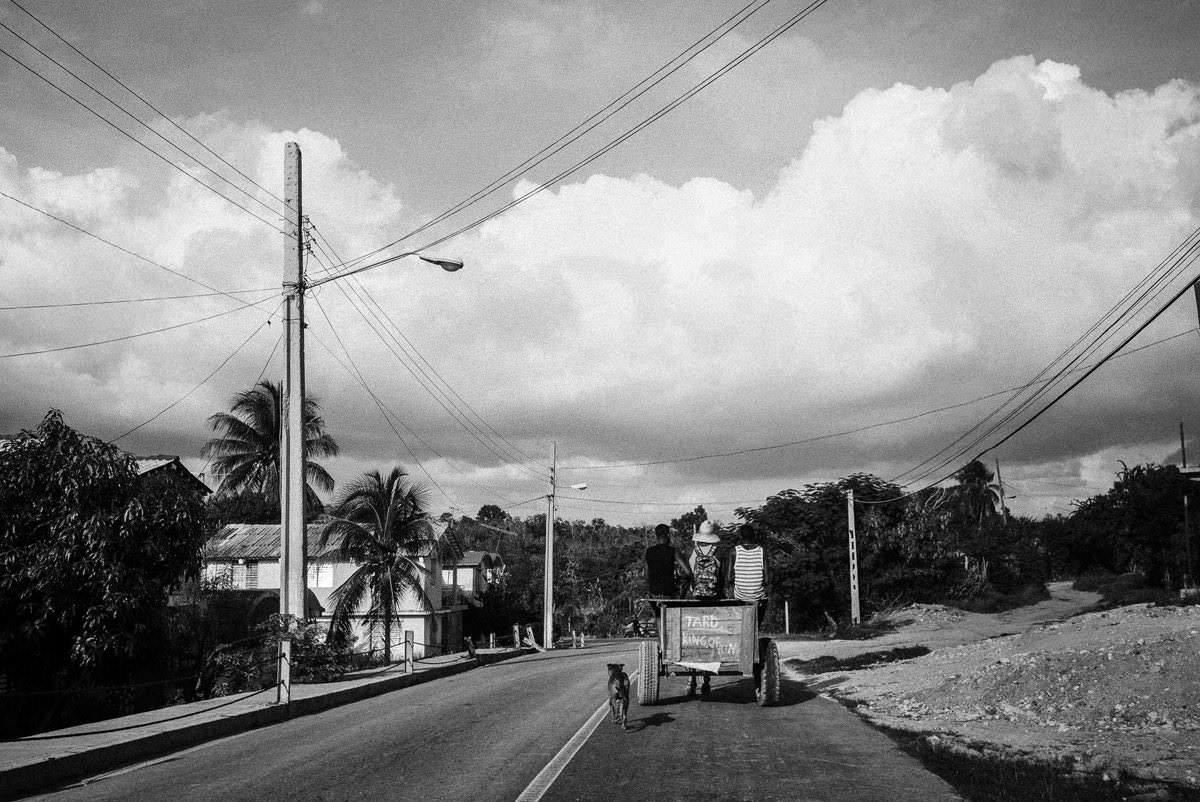
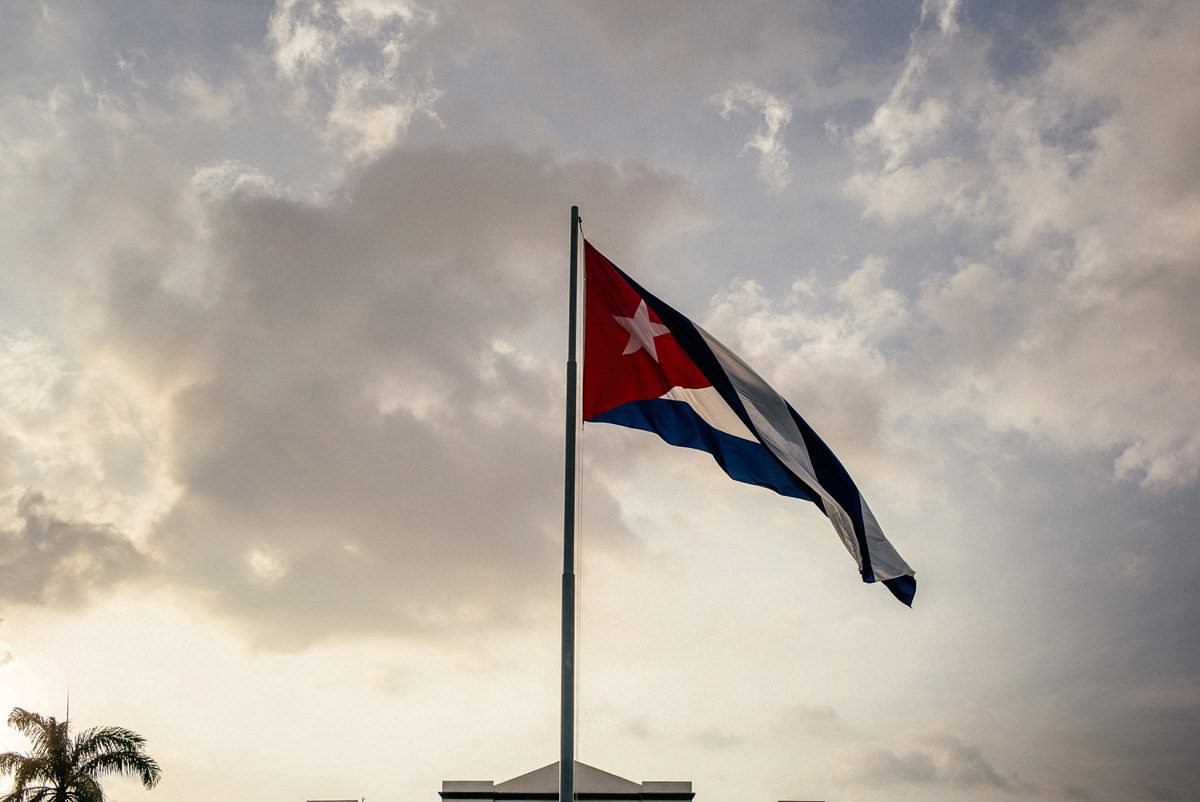
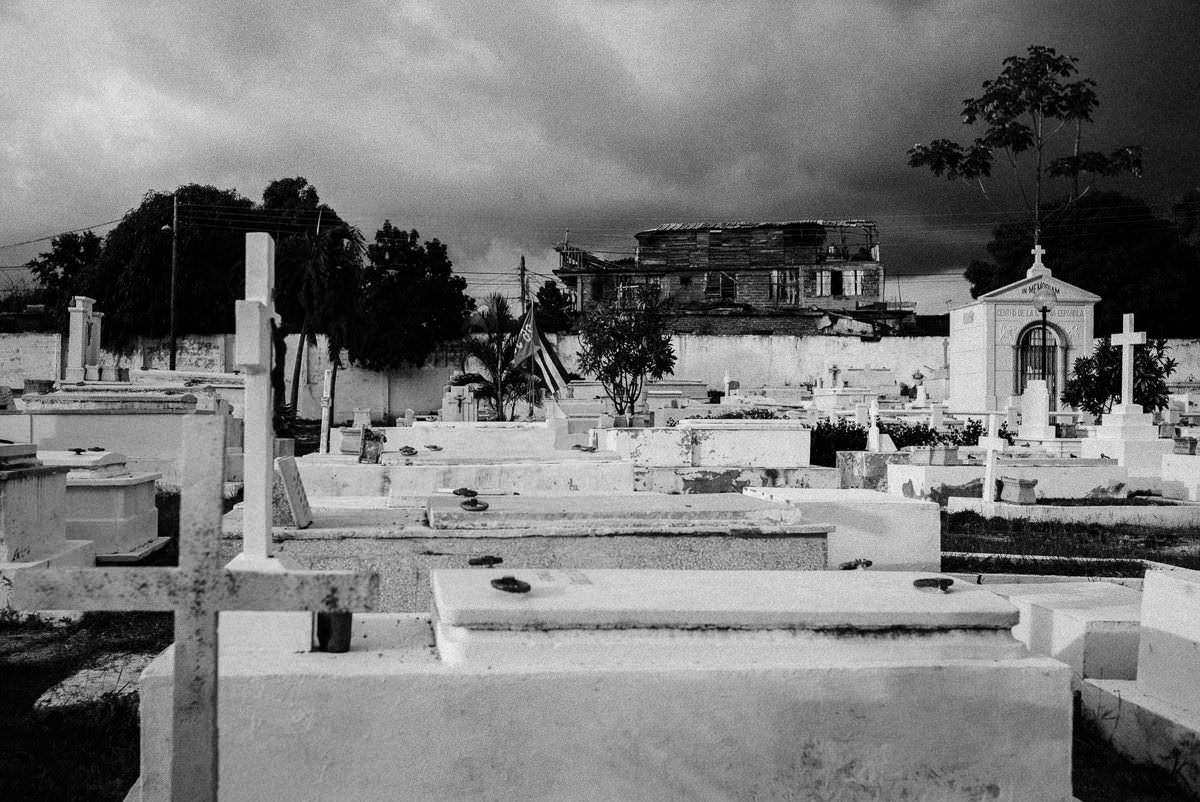
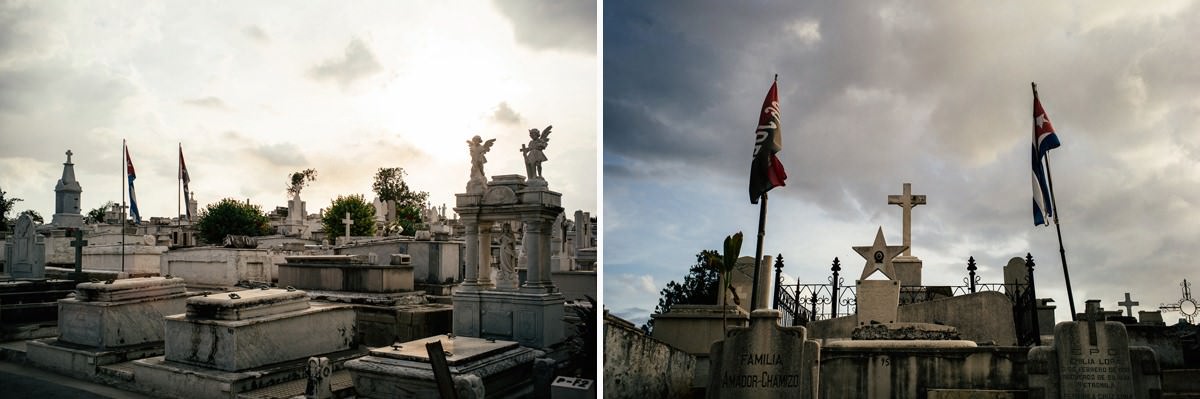
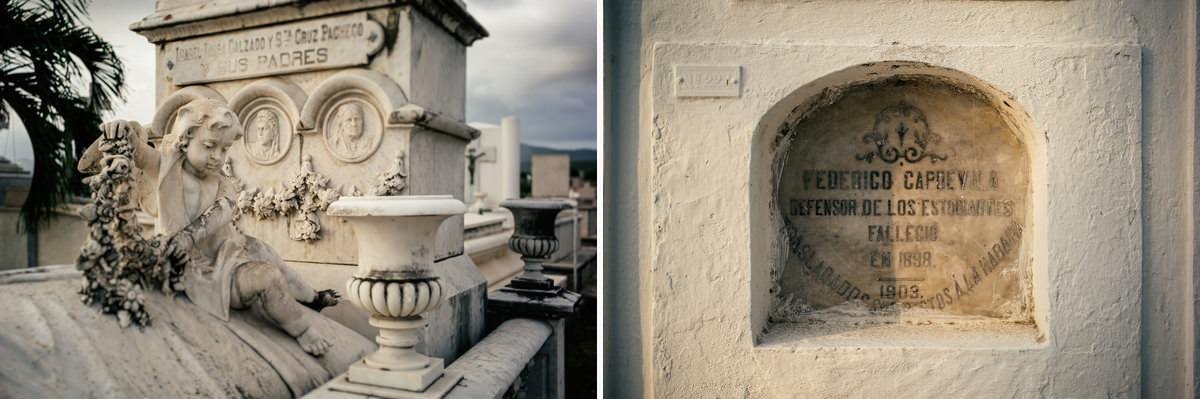
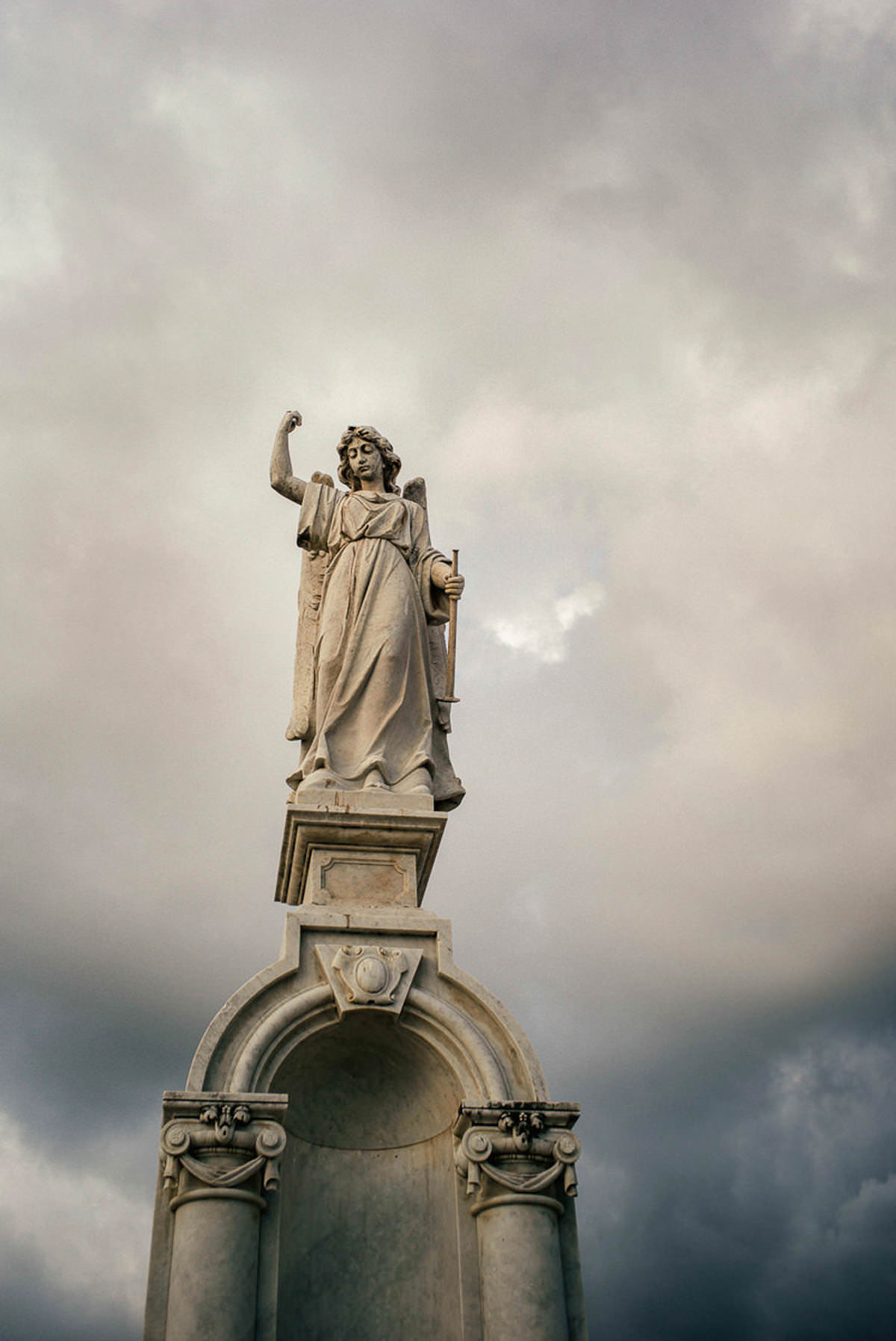
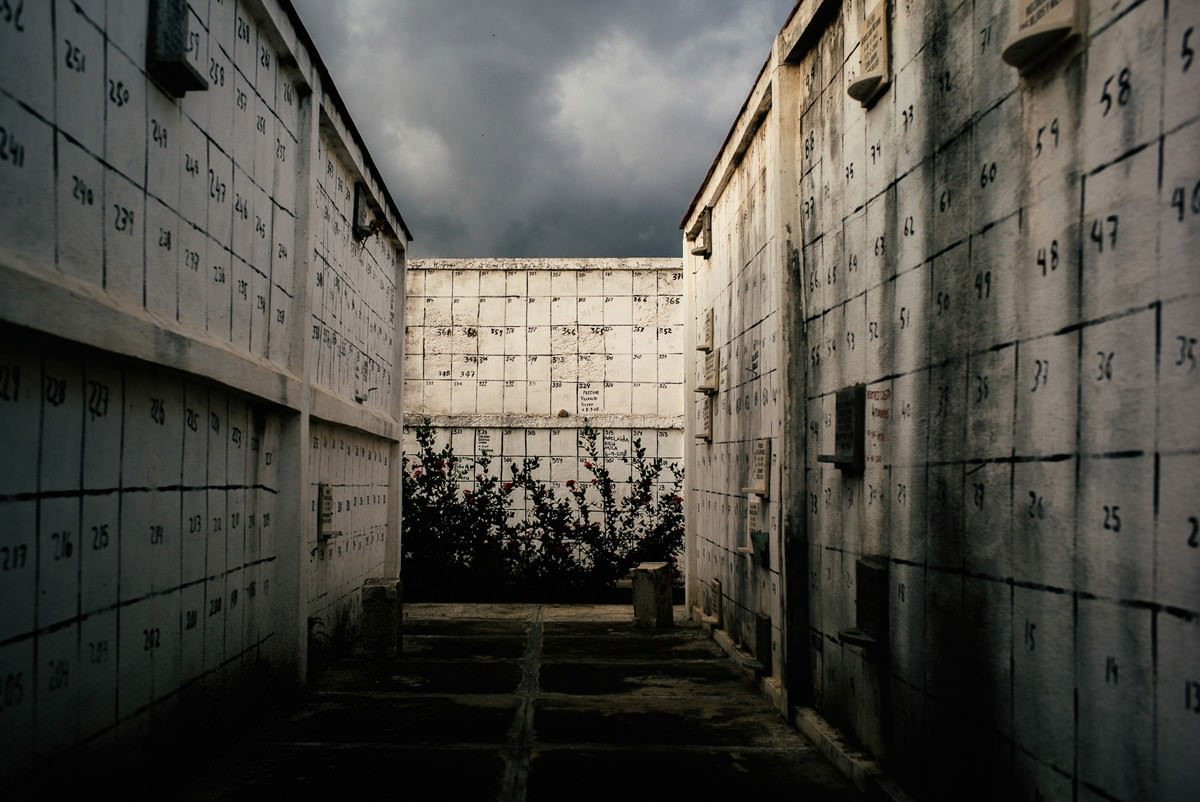
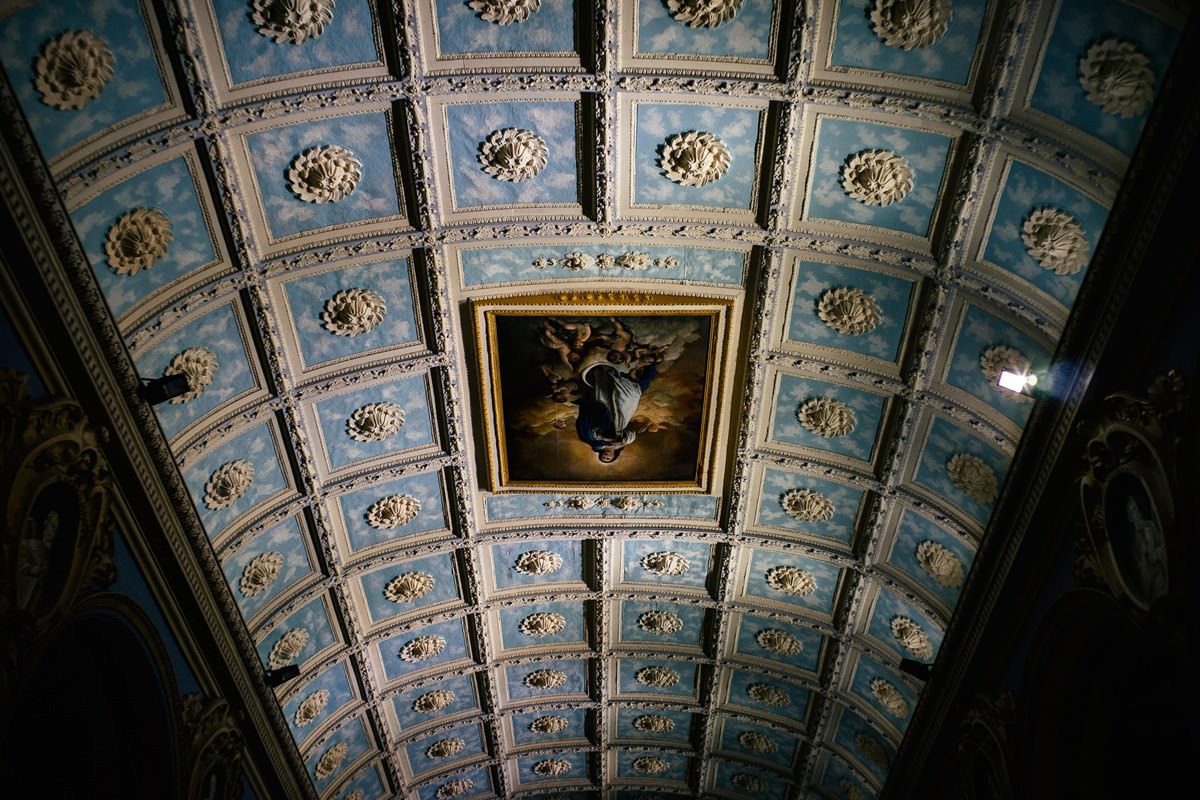
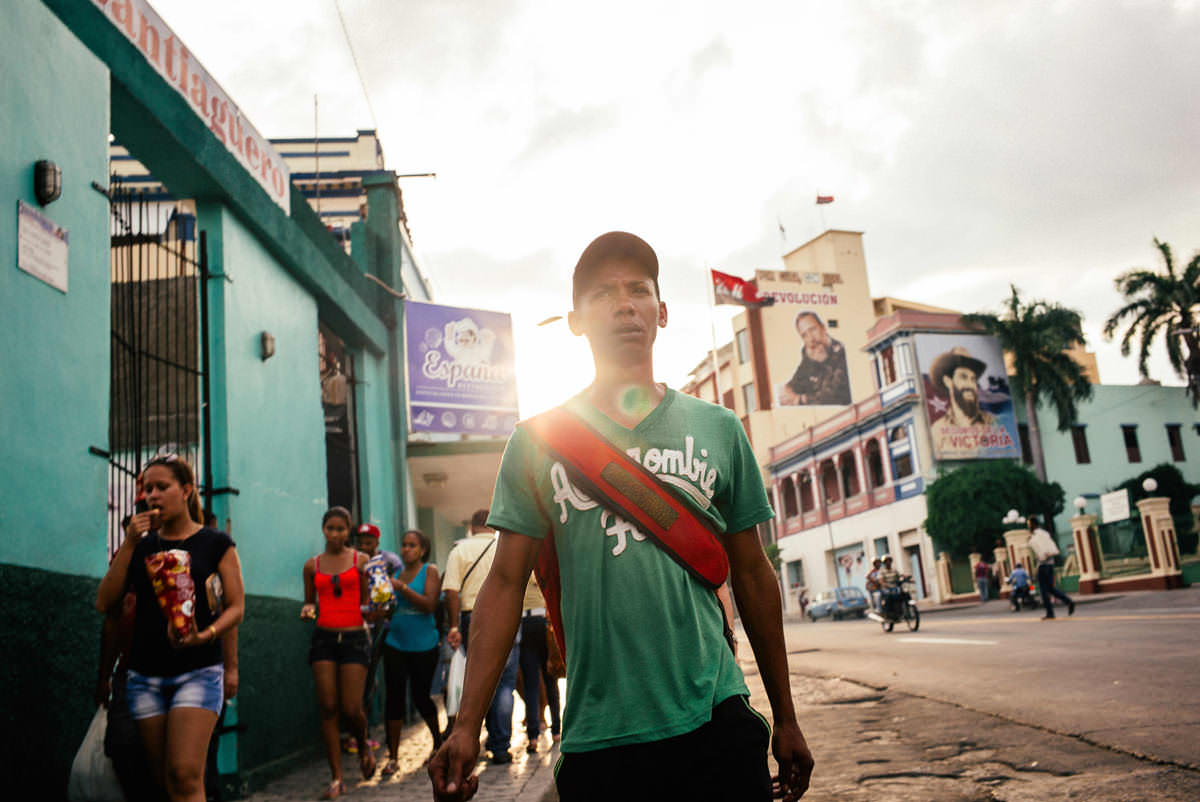
Chrome and blue: the bonnet ornament of a Chrysler, cared for as if it were new.Red steering wheel, red leather – a look inside the blue classic car.Thumbs up in a lane in Santiago de Cuba, cap in hand.Left, the cathedral and its angel, right next to our casa – right, a classic car in a side street.White beard, raised fist, a heavy wooden door behind him.Left, a bicycle taxi in the street; right, a wall covered in small pictures.“Chrysler” above the Cuban number plate – the rear of a classic in black and white.Left, yellow doors in a blue facade; right, a dog asleep against the wall.Straw hat and handcart, turning the street corner.Round headlights, blue paint: the front of an old Land Rover.Left, a pastel-coloured lane; right, plants behind a wrought-iron window grille.Cheers for Fidel and Raúl on a sign by the front door, between yellow and pink paint.A wide residential street of pastel houses – fewer tourists than in Havana.Left, the street climbing uphill; right, a young man with his cart.Graffiti, names and a painted Union Jack on crumbling plaster.Stars-and-stripes shorts and a green classic car – a street scene in Santiago de Cuba.A broad smile in a green polo shirt, a blue classic car parked behind.Left, a boy holding a photo; right, the gable of the Templo San Juan.A turquoise-and-white classic car and a motorbike pass each other in the street.“Barbería Salón Dámaso” in black letters on peeling yellow paint.A steep lane in the centre, cables strung from house to house.Left, the bonnet ornament on yellow paint; right, the steering wheel behind the glass.A rusty warning sign announces the steep road – Santiago is built on slopes.House number 102 above a peeling white door in an ochre wall.Left, an empty lane; right, an open book.The Cuban flag painted on a house wall, half peeled away by the weather.Laughing in front of a wall of slogans.Across the rooftops of Santiago de Cuba to the bay and the mountains.Men sit at a street corner in front of a weathered house.Left, musical notes painted on the wall; right, a rusty corrugated-iron door.Two spikes like antennae: a chrome bonnet ornament in black and white.Walls and watchtower of the Castillo del Morro, properly San Pedro de la Roca, a World Heritage Site since 1997.From the fortress wall the view drops to cannons, coast and sea south of the city.Left, the tower flying the Cuban flag; right, a stone staircase in the Castillo del Morro.The bay of Santiago de Cuba between green hills, a plume of smoke above.A horse-drawn cart on the country road, palms and power poles alongside.The Cuban flag flies high above the palms under evening clouds.White graves and crosses in the great Santa Ifigenia cemetery, where we came at sunset.Left, grave statues under a bright sky; right, crosses and flags at Santa Ifigenia.Guitar, hat and “Las flores de la vida” – the grave of a well-known member of the Buena Vista Social Club.Left, a reclining figure on a tomb; right, a burial niche with an inscription.A stone figure raises an arm from its tall pedestal into the cloudy sky.Numbered burial niches up to the sky – a quiet corridor at Santa Ifigenia.The goose-stepping changing of the guard at the mausoleum of José Martí – every half hour, to a mighty drum march.The mausoleum of José Martí among palms, under dark evening clouds.Blue coffers with a painting in the middle – it pays to look up.